Table of Contents (22 sections)
Creating art that authentically reflects your unique perspective is a journey of self-discovery and expression. This guide will walk you through practical steps to help you create art that not only showcases your individuality but also resonates deeply with others. Whether you are a budding artist or have years of experience, these techniques and insights can elevate your artistic expression.
1. Understand Your Unique Perspective
To begin the process of creating art that reflects your unique perspective, you must first understand what makes you, you. Take time to explore the following aspects:
1.1 Self-Reflection
Engage in self-reflection, asking yourself key questions: What experiences have shaped my viewpoint? What emotions do I feel strongly about? Write these thoughts down. By documenting your feelings and experiences, you can start to see patterns that can inform your artistic choices. For example, if nature inspires you because of childhood memories spent outdoors, you can explore this theme in your art.
1.2 Inspirations
Consider what inspires you—be it music, literature, or visual arts. Create a mood board that incorporates various influences that speak to you. Use platforms like Pinterest or even traditional scrapbooks for assembling pieces that represent your artistic inspiration. This collection can serve as a reference point when creating your artwork, helping you stay true to your creative vision.
2. Choosing Your Medium
Different art forms can express your personality in varied ways. Take time to experiment with different mediums until you find one that resonates with you:
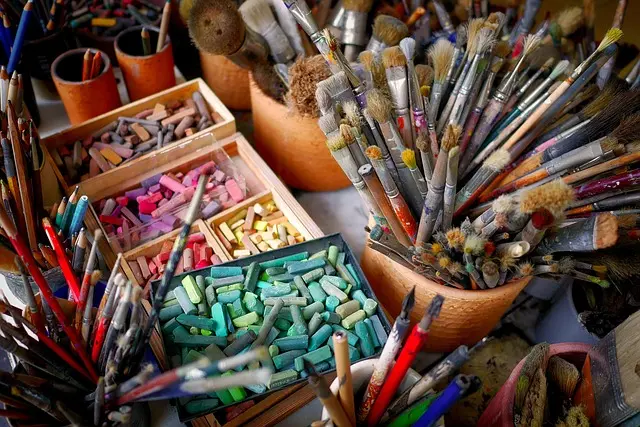
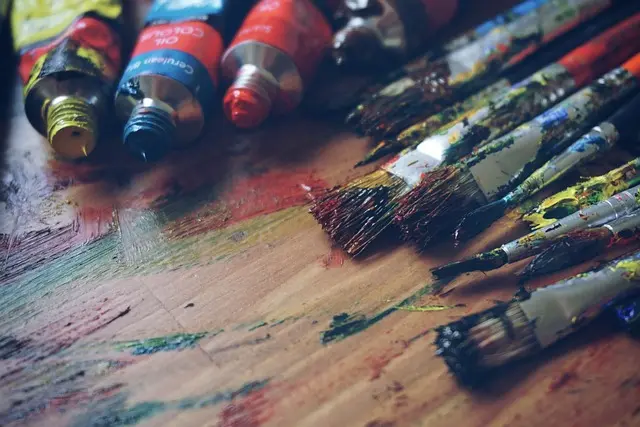
2.1 Paints and Brushes
Oil paints, acrylics, watercolors—each offers unique properties that can convey different moods. Experimenting with these can help identify what aligns best with your identity. For starters, watercolor may offer a softer look that embodies sensitivity, while acrylic can showcase boldness and vibrancy.
2.2 Mixed Media
Consider exploring mixed media. This approach allows for the integration of various elements, combining painting, collage, and even digital art. Mixed media can be the perfect outlet for those with eclectic tastes and multiple influences, enabling you to layer and experiment until your individual voice is clear and valued.


3. Developing a Personal Style
Developing a personal style takes time and practice. It is a combination of technique, subject matter, and ways of seeing the world:
3.1 Experimentation
Embrace experimentation. Try out various styles—from impressionism to surrealism—to help identify what feels comfortable. Document your artistic journey meticulously. This includes creating a visual diary to track progress and strategies that work versus those that do not.
3.2 Feedback and Growth
Engaging with peers can provide invaluable feedback. Participate in workshops, art classes, or community forums. Exposure to critiques helps refine your technique while facilitating growth and understanding of your unique perspective and style. As noted by the Graham Foundation in 2026, artists who actively seek feedback tend to see a 30% increase in their growth and technique.
4. Crafting Meaningful Narratives
Art is not just about aesthetics; it’s also about storytelling. Crafting a narrative can greatly enhance the depth of your artwork:
4.1 Thematic Consistency
When creating, ensure that your theme resonates through each piece. Use recurring symbols, color palettes, or motifs that reflect your personal narrative. For instance, if exploring themes around identity, consider using self-portraits or symbolic imagery that reflects personal milestones.
4.2 Emotional Connection
Aim for an emotional connection with your audience. Work through your stories and experiences in the art form, ensuring that the viewer feels your message. Emotional engagement can often result in a more profound connection between the artist and the audience, underscoring your perspective.
5. Presenting Your Art
Once you’ve created pieces that reflect who you are, it’s time to present them:
5.1 Showcasing Online
In 2026, presenting your work online establishes a digital footprint that can reach wider audiences. Utilize platforms like social media galleries and websites dedicated to art. Share snippets of your creative process and final pieces; this transparency fosters community and interest.
5.2 Local Exhibitions
Participate in local art exhibitions or shows. This not only gives you the opportunity to showcase your work but also allows for real-time feedback. Even if only a few pieces are displayed, take pride in the effort you’ve made to share your unique vision with the world.
6. Artistic Persistence
Art is a continuous journey, requiring patience and persistence. Establish a practice schedule, allowing you to create regularly while improving over time:
6.1 Overcoming Creative Blocks
Creative blocks are common. When faced with this challenge, revisit your mood board for inspiration or take breaks to reset your mind. Engaging in other creative activities, like writing or photography, can also reignite your artistic passion.
6.2 Reassessing Goals
Periodically reassess your artistic goals and progress. Celebrate small milestones and set realistic objectives that encourage growth without overwhelming yourself. This method ensures you remain passionate and motivated about your art.


MartinLogan - Motion Series CI, 6.5" Midrange with Folded Motion Tweeter, 2-Way In-Wall Speaker (Each) - Paintable White
bestbuy.com
Checklist for Creating Your Unique Art
- [ ] Reflect on personal experiences and their influence on your art.
- [ ] Experiment with various mediums and techniques.
- [ ] Develop a personal style through regular practice and feedback.
- [ ] Craft meaningful narratives to convey your stories.
- [ ] Present artwork both online and in local communities.
- [ ] Maintain persistence through creative blocks and goal reassessment.
Glossary
| Term | Definition |
|---|---|
| Medium | The material or technique used by an artist to create a work of art, including paint, charcoal, or digital formats. |
| Personal Style | The characteristic way in which an artist expresses themselves in their work, often reflecting their unique perspective. |
| Narrative | The story or message embedded in a work of art, conveying deeper meaning beyond what is visually presented. |
> 📺 For further exploration: Search for “how to develop a personal art style” on YouTube for more tips and inspiration.
Quiz rapide : What is the first step to creating art that reflects your unique perspective?
- A) Choosing colors
- B) Understanding your perspective
- C) Presenting your work
Réponse : B — Understanding your perspective is crucial to create authentic and meaningful artwork.
To help nourish your artistic journey, we have selected several products below that can enhance your experience and support your creativity. Dive in and explore further to find what works for you!
📺 Pour aller plus loin : how to develop a personal art style sur YouTube
Recommended products
Selected by our experts