Table of Contents (10 sections)
Choosing the right art medium can be a transformative step in your artistic journey. Whether you are a novice exploring your creative potential or an experienced artist seeking a new direction, understanding the various mediums available and how they align with your artistic goals is crucial. This guide will walk you through the process of art medium selection, helping you to navigate your options and make informed decisions.
1. Understand the Different Types of Art Mediums
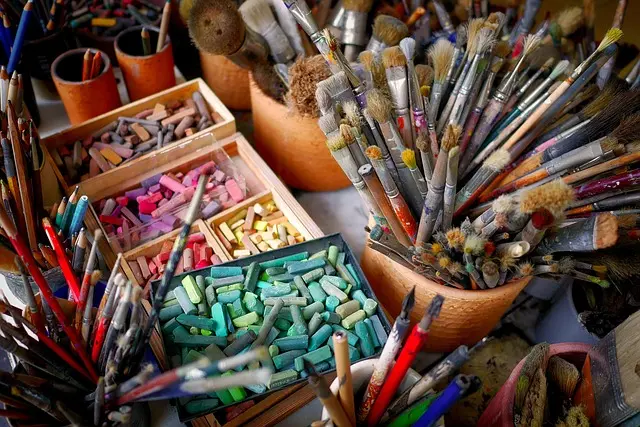
Before diving into art medium selection, it’s important to familiarize yourself with the different types of mediums available. Art mediums can typically be divided into several categories:
- Drawing mediums (like pencils, charcoal, pastel)
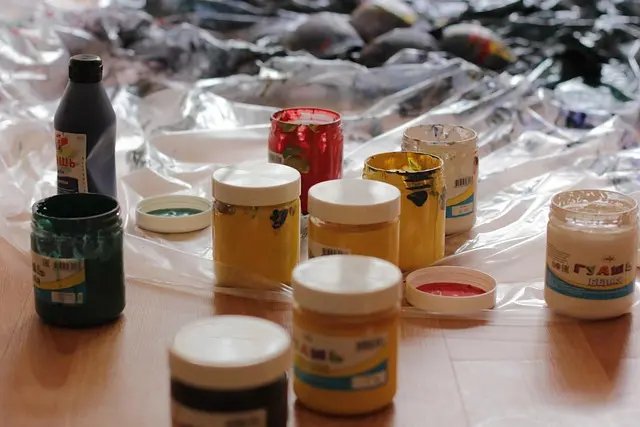
- Painting mediums (including oil, acrylic, watercolor)
- Printmaking mediums (such as linoleum, etching, silk screen)
- Digital mediums (using software and tools for digital art)
Each medium has its unique characteristics and effects. For instance, oil paints have rich pigmentation and a slow drying time, allowing for blending, while acrylic paints dry quickly, making them ideal for layering and quick applications. According to UFC-Que Choisir, these foundational characteristics can influence not only your style but also the overall message you may want to convey through your work.
2. Assess Your Skills and Experience Level
When selecting an art medium, your current skill level should play a critical role in your decision. For beginners, it may be wise to start with more forgiving mediums like acrylics or colored pencils. These mediums allow for corrections and experimentation. Experienced artists, on the other hand, might opt for more challenging mediums like oil or watercolor that require better control and technique. Assess your comfort level with each medium and be honest about your experience; tackling a medium that is too advanced can lead to frustration.
Additionally, consider taking workshops or tutorials focused on different mediums. Websites like Skillshare or local art studios can provide hands-on experience that may help you solidify your choices.


3. Define Your Artistic Goals
Understanding your artistic goals can greatly inform your art medium selection. Are you aiming for realism, abstract expression, or mixed media? Your objectives may determine which mediums are best suited for your specific purpose. For instance, watercolor may be ideal for creating atmospheric landscapes, while digital painting could be perfect for graphic design work.
Creating a list of what you hope to achieve with your art can help clarify these goals. Do you want to evoke emotion, tell a story, or explore textures? Take note of what excites you the most about art creation.
4. Trial and Error: Experiment with Various Mediums
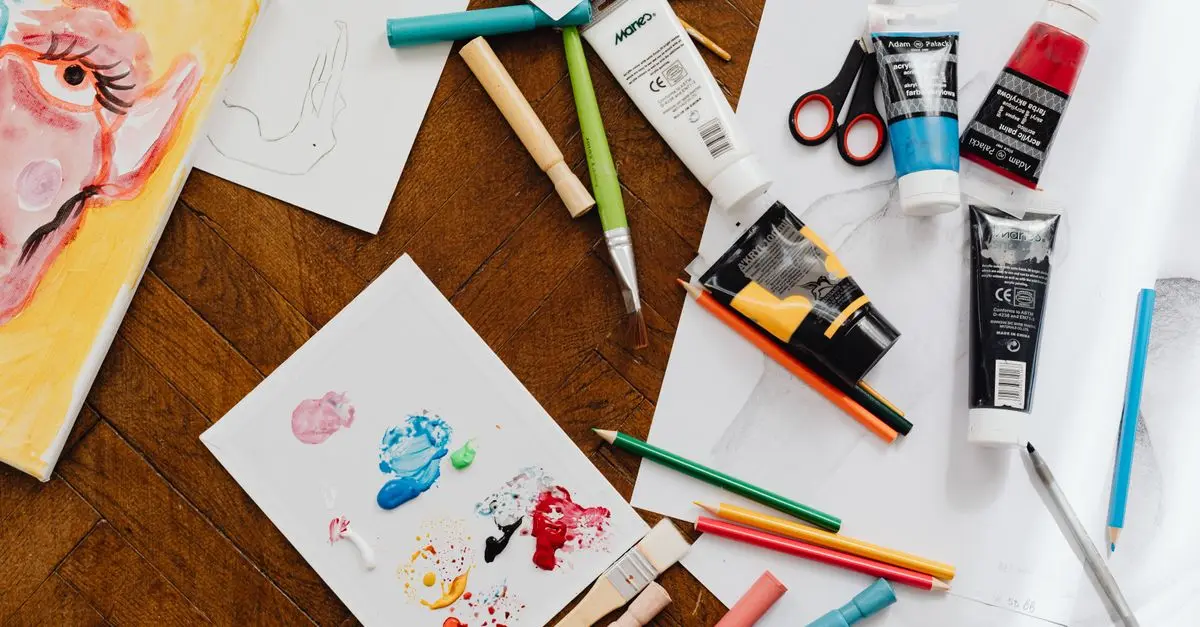
One of the most valuable aspects of the artistic process is experimentation. Don’t hesitate to try different mediums to discover what resonates with you. Set aside some time for a trial and error phase where you can sample various art supplies without the pressure of creating a finished piece. Try a weekend where you focus on a single medium each day—perhaps charcoal on one day, watercolor another, and acrylics on the third.
Many artists discover their true passion and style through this exploration. Remember that creating art should be enjoyable and freeing!
5. Consider the Practical Aspects
While creativity is the heart of your artistic journey, practical considerations should not be overlooked. Think about the availability and cost of materials, the space you have for working, and your intended audience. If you're planning to exhibit your work, some mediums may require more upkeep or special displaying techniques than others. For example, oil paintings often require varnishing and careful handling to avoid damage.
Maintaining a practical perspective ensures that you enjoy the medium you choose not just in terms of aesthetics but also in how feasible it is for your lifestyle and budget. According to market research, artists spend an average of 20% of their time sourcing materials, making this an essential consideration in the art medium selection process.
6. Seek Community Feedback and Guidance
Finding a community of fellow artists can significantly enhance your learning process. Joining local art groups or online forums allows you to discuss your medium choices, share experiences, and gain insights from others. Seeking feedback on your work can provide invaluable perspective on how successfully you are utilizing the mediums you’ve chosen.
Additionally, interactions with different artists can ignite inspiration and motivate you to explore mediums you may not have considered otherwise. Networking platforms like LinkedIn or specific art communities on Instagram can foster such connections.

Vipbear - RV Mattress Short Queen 8" Memory Foam Mattresses,Premium Cooling Green Tea/Gel Medium Firm Bed-Mattress
bestbuy.com

Vipbear - RV Mattress Short Queen 8" Memory Foam Mattresses,Premium Cooling Green Tea/Gel Medium Firm Bed-Mattress
bestbuy.com

Bestier - 12 Inch Cooling Gel Mattress Medium Firm Memory Foam Mattress in a Box - Twin
bestbuy.com
7. Reflect on Your Experience and Evolve
As you gain experience in your artistic journey, don’t forget to reassess your preferences and outcomes. What mediums did you enjoy the most? Which ones challenged you yet offered growth? Reflection will guide your future art medium selection, ensuring that your artistic evolution resonates with your personal growth.
Continuously educate yourself and allow your style to adapt over time, embracing opportunities to expand your skills in new directions.
Checklist before Choosing an Art Medium
- [ ] Understand different art medium categories
- [ ] Assess your current skills and experience level
- [ ] Define your artistic goals clearly
- [ ] Set time for experimentation with various mediums
- [ ] Evaluate the practical aspects (cost, space)
- [ ] Engage with the art community for feedback
- [ ] Reflect on your artistic journey regularly
Glossary
| Terme | Définition |
|---|---|
| Art Medium | Une substance utilisée par les artistes pour créer leurs œuvres (peintures, crayons, etc.). |
| Acrylique | Un type de peinture à base d'eau qui sèche rapidement et est polyvalent. |
| Efficacité Artistique | La capacité d'un médium à exprimer l'idée ou l'émotion souhaitée par l'artiste. |
📺 Pour aller plus loin : Explore different art mediums through visual demonstrations and guides. Search on YouTube:
how to choose the right art medium 2026.
🧠 Quiz rapide : Which art medium is best for beginners?
- A) Oil Paint
- B) Acrylic Paint
- C) Charcoal
Réponse : B — Acrylic Paint is user-friendly and versatile, making it ideal for newcomers.
📺 Pour aller plus loin : how to choose the right art medium for beginners 2026 sur YouTube
Recommended products
Selected by our experts
Bestier - 10 Inch Cooling Gel Mattress Medium Firm Memory Foam Mattress in a Box - Twin
bestbuy.com
Bestier - 6 Inch Cooling Gel Mattress Medium Firm Memory Foam Mattress in a Box - Full
bestbuy.com
Bestier - 12 Inch Cooling Gel Mattress Medium Firm Memory Foam Mattress in a Box - King
bestbuy.com

Bestier - 10 Inch Cooling Gel Mattress Medium Firm Memory Foam Mattress in a Box - King
bestbuy.com
Bestier - 12 Inch Cooling Gel Mattress Medium Firm Memory Foam Mattress in a Box - Full
bestbuy.com
Bestier - 10 Inch Cooling Gel Mattress Medium Firm Memory Foam Mattress in a Box - Full
bestbuy.com