Table of Contents (16 sections)
Creating a strong artistic routine is essential for anyone looking to develop their skills and achieve success as an artist. An effective routine helps to foster creativity, improve productivity, and build a sustainable practice. This guide offers step-by-step instructions to help you craft an artistic routine that will not only inspire you but also support your growth as an artist.
What is an Artistic Routine?
An artistic routine refers to a consistent and structured approach to creative work that artists follow daily or weekly. It includes dedicated time, space, and methods for producing art, exploring ideas, and honing skills. Routines can vary greatly among individuals; a painter may engage in daily sketching, while a writer might dedicate mornings to drafting.
The significance of having a well-defined routine cannot be overstated. Research shows that routines enhance focus and reduce decision fatigue, allowing artists to expend more energy on their creative endeavors. Furthermore, establishing a ritualistic approach can lead to greater satisfaction and achievement in one's creative pursuits. According to a study conducted in 2025, artists who maintained a consistent routine reported a 30% increase in creative output and satisfaction compared to those without one.
Step 1: Define Your Artistic Goals
Setting Clear Objectives
Before you can establish an effective artistic routine, it is crucial to identify and define your artistic goals. What do you want to achieve through your art? Are you aiming to improve your technical skills, explore new mediums, or complete a project? To set clear objectives, consider the SMART criteria: Specific, Measurable, Achievable, Relevant, and Time-bound.
For example, instead of a vague goal like “I want to paint more,” you might specify, “I want to complete two paintings per month and experiment with acrylics.” This specificity provides a clear target and timeline. Writing these goals down can also provide accountability. Regularly reflect on these objectives to ensure they remain aligned with your artistic aspirations.


Step 2: Create a Dedicated Workspace
Establishing Your Environment
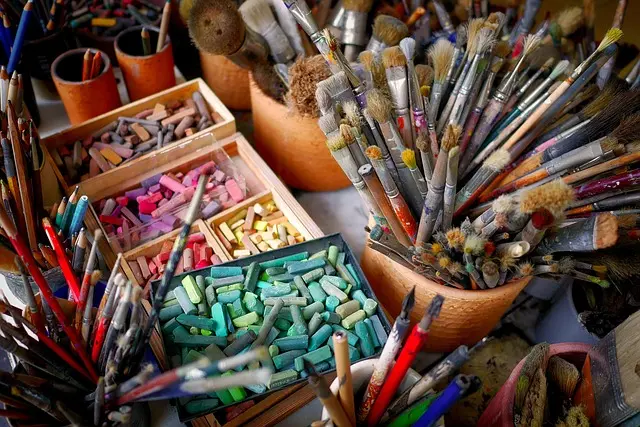
Your workspace plays a crucial role in your artistic routine. An inspiring and organized environment cultivates creativity and minimizes distractions. Whether you have a specific studio, a corner of a room, or even a dedicated office, make this space reflect your artistic vision.
Ensure your workspace is stocked with all necessary tools and materials, such as brushes, paints, canvases, or writing instruments. A clean and aesthetically pleasing environment can significantly elevate your mood and motivation. Studies have illustrated that artists who personalize their workspace are more likely to engage in their routine effectively. Consider adding elements that inspire you—like art books, plants, or personal achievements on display—to create a stimulating atmosphere.
Step 3: Establish a Schedule
Maintaining Consistency
With your goals defined and your space prepared, the next step is to create a schedule that incorporates your artistic routine. Consistency is essential for cultivating a rewarding practice. Block off specific times during the week dedicated solely to your art. Determine how many hours you can realistically commit each week while considering your other responsibilities.
Start small; for instance, if you’re a beginner, aim for 30 minutes a day, three times a week. As your routine becomes established, gradually increase the time. It’s also helpful to differentiate between creation time, research or learning time, and reflection time. Keeping a calendar or planner can significantly aid in tracking your progress and ensuring that you remain committed to your routine.
Step 4: Incorporate Variety and Challenges
Keeping Your Practice Engaging
While consistency is key, incorporating variety into your routine is equally important to prevent burnout and keep your creativity flowing. Exploring different styles, mediums, and subjects can rejuvenate your work and inspire new ideas. Set monthly themes or challenges that encourage you to step outside your comfort zone.
For instance, if you typically paint landscapes, challenge yourself to create a series based on portraits. This not only enhances your skills but also keeps the artistic process exciting. Joining social media challenges or local art groups can also motivate you to push your boundaries and engage with a community of fellow artists.
Step 5: Reflect and Adjust Your Routine
Continuous Improvement
An effective artistic routine should be adaptable to changes in your life, creative blocks, or shifts in your goals. Regularly dedicate time for reflection on your practice. What’s working? What isn’t? Are there specific areas where you feel you need to improve? Keeping a journal can be particularly beneficial for noting your thoughts, challenges, and progress over time.
Adjust your routine as needed. If you notice you're struggling to find inspiration, integrate new activities, or perhaps adjust your schedule to allow for more breaks or time to recharge. Continuous improvement and flexibility are essential elements to growing as an artist.
Checklist for Building Your Artistic Routine
- [ ] Set clear artistic goals using SMART criteria
- [ ] Create a dedicated and inspiring workspace
- [ ] Establish a consistent schedule that fits your lifestyle
- [ ] Incorporate variety in techniques and themes
- [ ] Reflect on your progress regularly and adjust your routine
Glossary
| Term | Definition |
|---|---|
| Artistic Routine | A structured approach to creative work that includes dedicated time, space, and methods for artistic practice. |
| SMART Goals | A goal-setting framework that emphasizes Specific, Measurable, Achievable, Relevant, and Time-bound criteria. |
| Creative Burnout | A state of emotional exhaustion specifically related to creative activities, often occurring due to lack of variety or excessive pressure. |
📺 Resource Video
To explore more about establishing an artistic routine, watch videos on YouTube for expert advice and tips. Search for how to build an artistic routine for a variety of insightful content.
🧠 Quiz rapide : Which aspect of an artistic routine do you think is most important?
- A) Setting goals
- B) Having a dedicated workspace
- C) Scheduling time
Réponse : A — Setting goals provides direction and focus for your artistic journey.
Conclusion
Building a strong artistic routine is not just beneficial; it’s vital for sustained creative success. By setting clear goals, creating an inspiring workspace, establishing a consistent schedule, incorporating variety, and allowing for reflection and adjustment, artists can navigate their creative journeys effectively. Remember, every artist is unique, and your routine should reflect your individual needs and aspirations. Happy creating!
📺 Pour aller plus loin : how to build an artistic routine sur YouTube
Recommended products
Selected by our experts
Clinique Anti-Aging Routine Skincare Set - One Size
clinique.com
This product can help maintain a youthful appearance so artists can feel their best while focusing on their creative work.
Clinique Anti-Aging Routine Skincare Set - One Size
clinique.com
An effective skin care routine can enhance the self-confidence of artists, allowing them to engage deeply in their artistic pursuits.
Shiseido Bio-Performance Lifting Routine Bundle ($234 Value)
shiseido.com
Invest in a skincare bundle to help maintain a fresh and vibrant look while you’re busy creating art.