Table of Contents (11 sections)
Understanding the Art-Life Balance
Balancing art and life is crucial for every artist aiming to thrive in both their personal and professional realms. The challenge lies in dedicating ample time to creative practices while managing day-to-day responsibilities. According to a survey by the National Endowment for the Arts, approximately 45% of artists report feeling overwhelmed by the need to balance their passion with personal commitments. This fact emphasizes the importance of identifying and prioritizing what truly matters in your journey. It involves understanding that creating art should enrich your life, not detract from other essential aspects like family, health, and friendships. Establishing a strong foundation in art-life balance can significantly enhance your creativity and overall satisfaction.
Establishing Boundaries
Creating distinct boundaries between art and life helps artists maintain focus. Determine specific times for creating art and stick to that schedule, treating it like an appointment. Communicate these boundaries to those around you; let friends and family know when you need uninterrupted time. The American Psychological Association states that setting boundaries is essential for reducing stress and burnout, common issues among artists. For example, if you allocate evenings exclusively for your creative work, use that time wisely and resist distractions from social media or household chores. Additionally, ensure you take breaks to rejuvenate; this can prevent feelings of resentment towards your creative process and improve your overall experience.

Color Balance Blue Conditioner by Joico for Unisex - 8.5 oz Conditioner blue unisex
shop.simon.com
Men's New Balance 608V5 Sneakers by New Balance in Grey Suede (Size 10 EEEE)
onestopplus.com

Time Management Techniques
Effective time management is a game-changer for artists looking to balance their creative pursuits with daily responsibilities. Techniques such as the Pomodoro Technique—working for 25 minutes and then taking a 5-minute break—can enhance focus and productivity. Implementing tools like digital calendars or time-tracking apps helps visualize your schedule and allocate specific time slots for different tasks. A study by Harvard Business Review found that people who regularly use scheduling tools report a 20% increase in productivity. Experiment with these techniques to see what works best for you, and don’t hesitate to adjust your schedule as needed to accommodate unexpected events or new tasks.
Creating a Dedicated Workspace
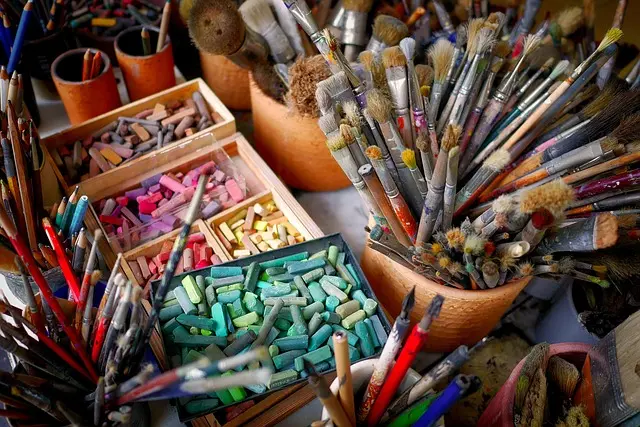
Your environment plays a pivotal role in your creative output. Setting up a dedicated workspace can help you mentally separate your creative endeavors from other life commitments. A well-organized space with all the necessary materials easily accessible fosters creativity and minimizes distractions. According to feedback from experienced artists, creating an inspiring workspace can lead to an increase in creative flow and output. Invest in comfortable furniture, good lighting, and organizational tools to enhance your space. This invested time and effort can lead to more productive and enjoyable artistic sessions.
Setting Realistic Goals
Setting realistic and achievable goals is paramount for maintaining balance. Break down larger projects into smaller, manageable tasks, and celebrate when you complete each one. This method not only helps in maintaining motivation but also ensures you do not overwhelm yourself with lofty expectations. Research suggests that individuals who set achievable goals are 35% more likely to experience a sense of satisfaction and accomplishment. Moreover, consider annual, monthly, and weekly goals, adjusting them as needed based on your progress and personal life changes.
Engaging in Self-Care
Self-care often becomes an afterthought for busy artists. However, prioritizing your physical and mental health can significantly affect your artistic output. Whether it's regular exercise, meditation, or simply spending time with loved ones, these activities replenish your energy and fuel your creative mind. The World Health Organization advocates for balanced lifestyles, stating that well-being can enhance productivity. Explore various self-care options; routines that resonate with you will likely enhance your creativity, leading to richer artistic expression.

Boyel Living - 1-Spray Patterns with 2.5 GPM 12 in. Wall Mount Dual Shower Heads with Pressure Balance Valve
bestbuy.com

New Balance Fresh Foam X More v6 Women's Black Running 6 B - Gender: female
shoemall.com

Finding Support
Engaging with fellow artists or joining a community can provide invaluable support. Whether through local art groups, online forums, or social media, finding a network can help you share experiences, seek advice, and gain encouragement. Celebrating achievements within a community can bolster your motivation and inspire continued artistic growth. Feedback from peers often helps you refine your art, providing fresh perspectives and new ideas. According to a study published by the Institute of Contemporary Art, collaborative environments are proven to boost creativity and innovation.
Revisiting and Reflecting
Take time to revisit your goals and creative outputs regularly. Establishing a monthly review session to reflect on what’s working and what isn’t allows you to adapt to changes in your personal and creative life. This practice can also support mental clarity, helping you stay focused on what truly matters. Journaling your thoughts, experiences, and aspirations can help provide clarity and reaffirm your commitment to both your art and life. Art therapists often promote reflection as a method for creative growth, stating it can lead to deeper insights and more meaningful work.
Leveraging Your Network
Networking is essential in the art world and can open doors for collaborations, exhibitions, and commissions. Attend art fairs, workshops, or online webinars, where you can connect with potential partners or mentors. Utilize social media platforms to showcase your work and engage with others. A study by Anthony Rivas published in ArtNet found that artists actively involved in networking achieved a 30% higher rate of successful exhibitions compared to those who remained isolated. Cultivating these relationships can not only enhance your career but enrich your artistic practice as well.
Checklist for a Balanced Life
- [ ] Establish clear boundaries for art time.
- [ ] Employ time management techniques like the Pomodoro Technique.
- [ ] Create an organized and inspiring workspace.
- [ ] Set realistic, achievable goals for projects.
- [ ] Engage in regular self-care activities.
- [ ] Find and join a community of fellow artists.
- [ ] Schedule regular reflection sessions on your progress.
- [ ] Actively network and leverage connections.
balancing life and art is an ongoing journey that demands dedicated focus and adaptability. By implementing these practical tips, you can navigate the intricate dance between personal life and artistic passion, resulting in a fulfilling and productive creative life.
📺 Pour aller plus loin : how to find work-life balance as an artist 2026 sur YouTube
Recommended products
Selected by our experts