Table of Contents (10 sections)
In the realm of artistic development, discovering your unique artistic voice is not merely a process, but a vital journey for any artist seeking to express themselves authentically. Your artistic voice represents your individual perspective and views, which can be influenced by personal experiences, cultural background, and artistic influences. In this guide, we will explore several effective strategies to help you identify and cultivate your own artistic identity.
Understanding Your Unique Artistic Voice
What Is an Artistic Voice?
An artistic voice refers to the distinctive style, tone, and perspective that an artist brings to their work. This voice is shaped over time through experiences, influences, and skill development. Every artist possesses a unique voice, making their creations stand out in a sea of works. It can be likened to a signature, embedding your identity into each piece you create. Developing your voice involves exploring different styles, experimenting with various media, and reflecting on what resonates with you. Over time, this authenticity can attract audiences who connect with your vision, thus reinforcing your position in the art community.
Steps to Discover Your Unique Artistic Voice
- Reflect on Your Influences
Begin by identifying artists, styles, and movements that resonate with you. Create a visual mood board filled with images, colors, and textures that inspire you. Understanding what captivates your attention allows you to curate your stylistic preferences. Consider the following questions during this phase:
- What emotions do you experience when viewing certain works?
- Are there particular themes or subjects that you find compelling?
- Which artists do you aspire to emulate, and why?
Take notes and revisit them regularly to keep your inspirations fresh.
- Experiment with Different Mediums
Don’t box yourself into one medium. Try using various materials such as paint, clay, digital tools, or mixed media. Each medium has unique properties that can evoke different emotions and techniques. For example, watercolor can create a delicate quality, while oil paints allow for vibrant texture. By experimenting, you can discover which media best express your ideas and emotions creatively. Foster a habit of play; set aside time for creative exploration without the pressure for perfection. You will likely uncover unexpected pathways in your artistic journey.
- Set Personal Challenges
Push the boundaries of your creativity by setting personal challenges. This could include developing a series of works on a specific theme, experimenting with a new technique each week, or creating an artwork using a limitation, such as only one color. These constraints force creativity and often lead to breakthroughs in your artistic process. By keeping a record of these challenges, you can document your progress, observe transformations in your style, and gradually define your voice.
- Engage with the Artistic Community
Participation in workshops, artist residencies, or online forums provides invaluable perspectives and feedback. Surrounding yourself with fellow artists can encourage collaboration and inspire ideas. Additionally, constructive criticism from peers can shape your artistic practice. As you engage, share your work and seek feedback on specific aspects of your art, such as your color choices or subject matter.
Remember to remain open-minded; what may seem like a challenge can be a pivotal opportunity for growth.
- Document Your Artistic Journey
Keep a journal detailing your artistic process, from early sketches to finished pieces. Reflect on the emotions tied to your work, the lessons you’ve learned, and milestones you’ve achieved. This practice not only cultivates self-awareness but also helps track your evolution as an artist. Documentation is essential to recognize patterns and recurring themes, allowing you to capitalize on what makes your voice distinct.
Consider including images of various stages of your projects and jot one key takeaway from each entry. This will create a rich tapestry of your progression as an artist over time.
Common Mistakes to Avoid
While navigating your unique artistic journey, be aware of common pitfalls that can hinder your progress:
- Avoid comparing your progress to others; every artist's journey is unique.
- Don't rush the process of discovery; your voice will evolve naturally over time.
- Resist the urge to imitate others too closely. Instead, focus on what elements resonate with you and adapt them to fit your style.
Checklist for Finding Your Unique Artistic Voice
- [ ] Reflect on your artistic influences
- [ ] Experiment with different mediums
- [ ] Set personal artistic challenges
- [ ] Engage with the artistic community
- [ ] Document your artistic journey
Comparison of Artistic Mediums
| Medium | Strengths | Weaknesses | Best For |
|---|---|---|---|
| Watercolor | Easy to blend and create washes | Can be unpredictable and delicate | Translucent artworks |
| Acrylic | Fast drying, versatile | Can become muddy if overworked | Mixed media or bold art |
| Oil | Rich color depth and texture | Long drying time | Detailed landscape paint |
| Digital | Easy editing and experimentation | Lacks physical texture | Graphic design |
- What does it mean to have a unique artistic voice?
An artistic voice signifies your personal style and perspective as an artist, shaped by your experiences and influences.
- How long does it take to find my artistic voice?
Finding your artistic voice is a continuous process that may evolve over time with various experiences and challenges.
- Can I change my artistic voice?
Absolutely! It's common for artists to evolve their voice as they learn and grow, often leading to exciting new direction.
- What are some signs I’ve found my artistic voice?
Feeling confident in expressing yourself and witnessing a connection with your audience are strong indicators.
📺 Resource Video
> 📺 For further exploration: Finding Your Unique Artistic Voice, a detailed guide on how to develop and embrace your artistic identity. Search for: artistic voice development 2026.

Glossary
| Term | Definition |
|---|---|
| Artistic Voice | The unique style and perspective of an artist. |
| Medium | The material or method used to create art. |
| Inspiration | External or internal stimuli that motivate creativity. |
Checklist Before You Begin
- [ ] Identify artistic influences
- [ ] Explore different art mediums
- [ ] Engage with art communities
- [ ] Document your experiences
- [ ] Challenge yourself creatively
With the journey of art being inherently personal and transformative, we encourage you to embrace your unique artistic voice fully. Dive into this adventure and share your creations with the world.
To assist you further in exploring your creative journey, we have selected several products suitable for artists like you, which you can discover below.
📺 Pour aller plus loin : artistic voice development 2026 sur YouTube
Recommended products
Selected by our experts
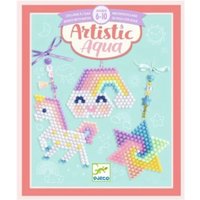
Jeu créatif Djeco Artistic Aqua Perles à repasser Arc-en-ciel
Fnac FR
This creative game encourages artistic expression and is perfect for brainstorming new ideas.
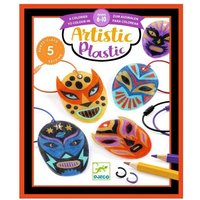
Jeu créatif Djeco Artistic Plastic Porte-clés Catcheurs
Fnac FR
Ideal for creating unique artworks, this tool adds a playful element to any project.
Lamp Depot - Moving Sand Landscape Table Lamp
bestbuy.com
A beautiful decorative piece that can inspire your workspace and creative flow.