Table of Contents (10 sections)
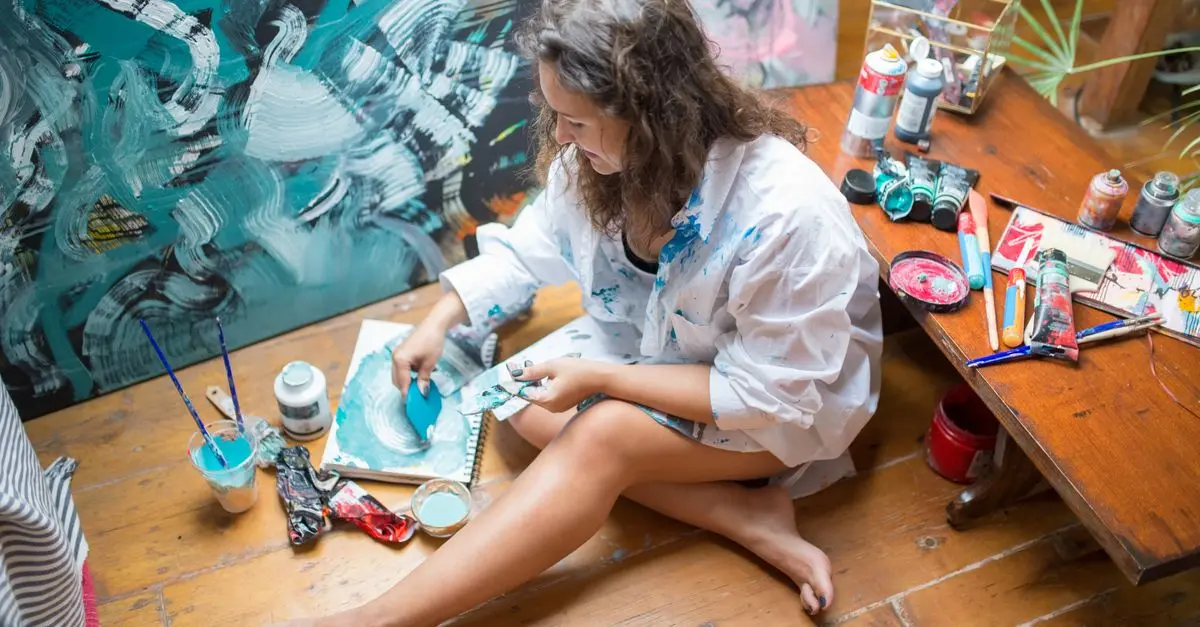
Art is a deeply personal journey, and finding your artistic style is a crucial step in becoming an artist. Your artistic style reflects your unique perspective, influences, and experiences, allowing you to create work that resonates with you and others. In this guide, we will explore a step-by-step process to help you discover and define your unique artistic style.
1. Understanding Artistic Style
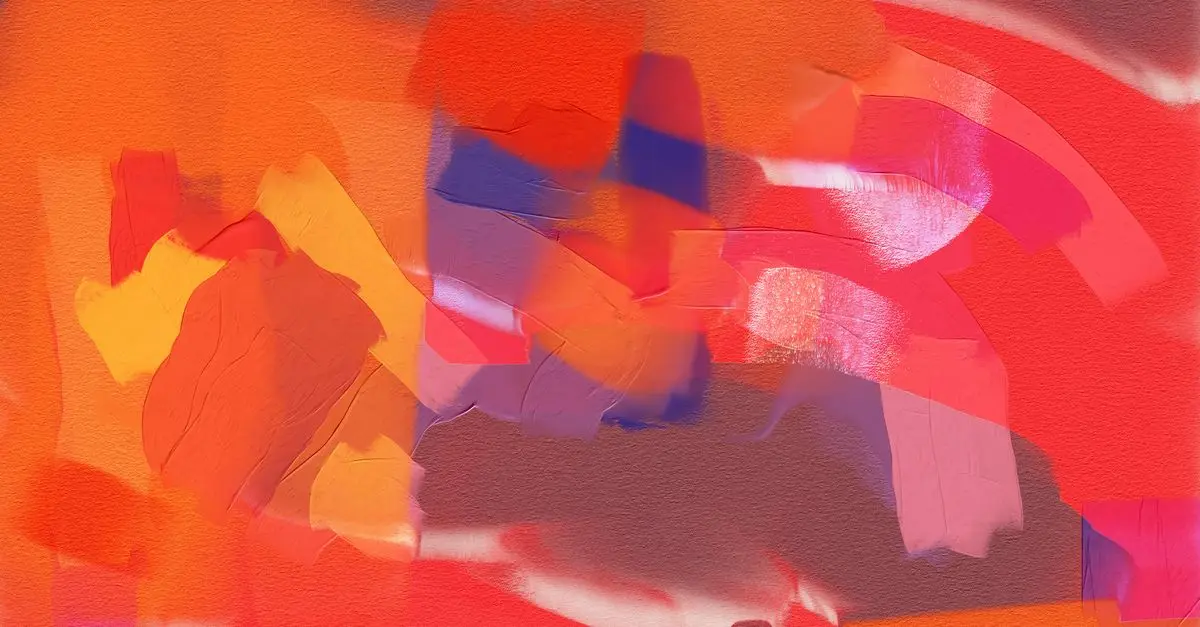
Before diving into the process of finding your artistic style, it’s essential to understand what it means. Artistic style can be defined as the distinctive manner in which an artist expresses themselves through their work, including elements such as technique, color, composition, and subject matter. For instance, consider the difference between the impressionistic style of Claude Monet and the cubist approach of Pablo Picasso. While both are renowned artists, their styles are vastly different, emphasizing unique aspects of their vision and interpretation of the world.
Recognizing your artistic style not only boosts your confidence as an artist but also helps in creating a cohesive body of work. According to art experts, having a recognizable style can significantly enhance your visibility in the competitive art world. This distinction gives an audience a specific expectation when encountering your work, encouraging stronger connections with viewers.
2. Explore Various Artistic Influences
The next step in finding your artistic style is to explore various influences that inspire you. This could mean studying works from different art movements, engaging with contemporary artists, or even looking beyond traditional art into music, literature, and design. Keeping a mood board can be a helpful way to visually gather these influences.
For example, if you find yourself drawn to the bold colors of Fauvism, the emotional depth of Expressionism, or the geometric shapes of Minimalism, document these preferences through images, color swatches, and textures.
It’s essential to evaluate why you’re attracted to specific styles or elements. Is it the color palette, the subject matter, or the emotions they evoke? By answering these questions, you can begin to weave your own preferences into a personalized artistic style that stands out.
3. Experimentation and Practice
Now that you have a clearer understanding of your influences, it’s time to experiment with your techniques and mediums. Give yourself permission to try different materials, such as watercolors, acrylics, pastels, or digital media, and explore various techniques through online tutorials or workshops. For instance, if you’re intrigued by printmaking, start practicing simple designs before moving onto more complex ones.
Practice is key — it allows you to discover what feels authentic to you. As you experiment, pay attention to what aspects you enjoy most. Do you gravitate toward vibrant colors? Are textured tools more appealing? Are you more drawn to abstract forms or realistic representations? This exploration will gradually help you hone in on defining characteristics of your artistic style.
4. Create a Cohesive Body of Work
Once you’ve explored and experimented, it’s time to create a cohesive body of work. Choose a theme or a series that reflects your artistic journey so far. This could be a collection based on a story, a personal experience, or even a specific emotion you want to convey.
During this phase, focus on consistency in your techniques, mediums, and subject matter. Artists like Georgia O'Keeffe made their mark by repeating themes — her iconic flowers and desert landscapes reflect a consistent artistic narrative that resonates deeply with viewers.
Continuing to create in this focused way will help solidify your artistic style while allowing for growth. Remember, it’s also important to gather feedback from trusted peers or mentors, as fresh perspectives can offer valuable insights you may overlook.
5. Reflect and Evolve Your Style
Art is not static; it changes as you grow. Periodically reflect on your work to assess your style evolution. This process involves reviewing your past pieces, recognizing changes, and understanding how your experiences influence your artistry. Are there new influences you’ve encountered? Have your preferences shifted?
Adapting your style is a natural part of the artistic journey, and being open to evolution can enhance your creative output. Notably, artists like Vincent van Gogh saw substantial shifts throughout their careers, marking new directions with distinctive styles — from early dark paintings to the swirling colors of his later works.
6. Don't Rush the Process
Finally, it’s crucial to remember that discovering your artistic style is a journey, not a race. Be patient with yourself as you explore, experiment, and grow. Everyone develops at their unique pace, and it’s essential to embrace the process without the pressure of immediate success. Surround yourself with supportive fellow artists, engage in workshops, or partake in online communities to share your journey.
Celebrate each small milestone and allow yourself the freedom to learn and evolve!
Checklist for Finding Your Artistic Style
- [ ] Define what artistic style means to you.
- [ ] Research various art styles and movements.
- [ ] Create a mood board of inspirations.
- [ ] Experiment with different mediums and techniques.
- [ ] Develop a small body of work based on a theme.
- [ ] Reflect on your art regularly and stay open to change.
📺 For More Inspiration
Explore videos on YouTube for practical tips on discovering your artistic style. Search for: how to find your artistic style and uncover various approaches shared by artists around the world.
Glossary
| Term | Definition |
|---|---|
| Artistic Style | The unique manner in which an artist expresses themselves, including technique, color, and subject. |
| Medium | The materials used to create art, such as paint, ink, or digital tools. |
| Mood Board | A visual collage consisting of images, color swatches, and materials that illustrate a desired theme or style. |
> 🧠 Quiz rapide : What is the first step to discovering your artistic style?
> - A) Experiment with various techniques
> - B) Gather inspirations
> - C) Evaluate your past work
> Réponse : B — Gathering inspirations is crucial to understand what influences you before experimenting.
Enjoy this process of self-discovery, and embrace the excitement that comes with defining your unique artistic style! As you refine your work, consider checking out our selected products suited for every artist. Explore our recommendations below to enhance your artistic journey.
📺 Pour aller plus loin : how to find your artistic style sur YouTube
Recommended products
Selected by our experts
Women's Simulated Blue Opal Jewelry Set by PalmBeach Jewelry in Blue (Size ONE SIZE)
onestopplus.com
This jewelry set adds a splash of color and artistic flair, perfect for artists wanting to express their style in every aspect.

Hivvago Set Of Two Today Is White Framed Print Wall Art
shop.simon.com
These framed prints can inspire your creative space, enhancing the environment in which you work.

Hayward Furniture Flannel-Covered Wavy Full-Length Floor Mirror with True-Reflection Glass, Metal Glass with Backing, 63" L x 24" W x 2.5" H, White
aosom.com
The artistic design of this clothing adds to your personal aesthetic, making it a perfect choice for expressive artists.

Deadwood Trading Skavoovie - Soft Wool Felt Pork Pie Hat - Large / Black
hatcountry.com

Homary 22" Outdoor Lion Head Wall Decor Garden Sculpture Animal Statue Art in Beige
homary.com