Table of Contents (14 sections)
Understanding Artistic Style
Finding your artistic style is an essential step in your journey as an artist. Artistic style is defined as the distinct manner and approach in which an artist applies techniques and processes to create unique pieces. It not only reflects their personality but also resonates with their audience. The process of discovering a personal style can be transformative, allowing one to convey their views and emotions through their work effectively.
Different styles such as impressionism, abstract, realism, and modernism have characterized famous artists throughout history. For beginners, identifying which of these resonates most requires experimentation and exploration. Our goal is to guide you through this journey, providing actionable steps for finding your own artistic voice.
Steps to Discover Your Style
1. Experiment with Different Mediums
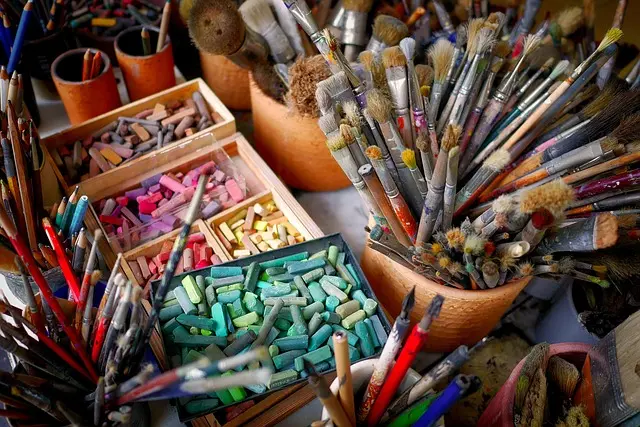
Exploration is key to unlocking your artistic style. One effective approach is venturing into various art mediums such as painting, sculpture, digital art, or mixed media. Experiencing different mediums offers firsthand insight into which methods you enjoy most and where your natural talents lie.
For instance, if you start with watercolors, you might appreciate the fluidity and delicate color blends unique to this medium. Conversely, experimenting with acrylics might reveal your preference for bold colors and textures. Avoid limiting yourself to one medium too early; the broader your experience, the more informed your choice will be.
2. Find Inspiration Everywhere
Drawing inspiration from various sources enriches your art and aids in refining your style. Visit art galleries, watch online tutorials, or immerse yourself in nature to observe diverse perspectives. Platforms like Pinterest and Instagram can also provide visual inspiration, allowing you to explore different styles and techniques practiced by other artists.
Additionally, keep an inspiration journal. Note down or sketch ideas as they come, no matter how trivial they might seem. This collection becomes a reference point when creating new work, offering insights into themes that resonate with you.
3. Practice Regularly
Consistency in practice is a crucial factor in developing an artistic style. Set aside regular time each week dedicated solely to art. Not only does this consistent practice improve your skills over time, but it also solidifies your style as recurring themes and preferences naturally emerge.
Develop a routine that includes exercises to enhance basic skills such as sketching, color theory application, or understanding perspective. As you practice, reference works from artists you admire. Note techniques and styles that inspire you, gradually incorporating aspects into your own creations.
4. Reflect on Your Work
Reflection is an invaluable component of artistic growth. Regularly evaluate your work to identify recurring patterns and preferences. Ask yourself questions like, "What do I like most about this piece?" or "What mood does this color scheme evoke?"
Comparing your work over time highlights progression and evolution in your style. Maintain a portfolio to track improvements and shifts in themes or techniques. This reflection aids in making informed decisions, helping clarify what makes your art unique.
5. Seek Feedback
Feedback from peers, mentors, or online communities offers fresh perspectives on your work. Constructive criticism can highlight strengths and areas for improvement. Join artist groups locally or online to engage with others; sharing your work in these settings can provide critical insights.
However, remember to filter feedback based on its relevance. Trust your instincts and prioritize feedback that aligns with your artistic goals. The key is to remain open to new ideas while staying true to your preferences.
📺 Resource Video
> 📺 For further exploration: [Exploring Different Art Styles - Tips for Beginners]. Find out more by searching on YouTube: "how to explore different art styles."
Comparing Artistic Styles
| Style | Characteristics | Famous Artists | Mediums Typically Used |
|---|---|---|---|
| Impressionism | Soft, light colors, focus on light | Claude Monet | Oil paints |
| Abstract | Non-representational forms | Wassily Kandinsky | Acrylic, mixed media |
| Realism | True-to-life details | Gustave Courbet | Oil, pencil |
| Modernism | Experimental, avant-garde | Pablo Picasso | Various |
Data-Driven Insights
A survey conducted by Art in America revealed that artists who explored a wide breadth of styles and mediums in their early career stages found a distinctive style faster than those who did not. The study highlights that exposure is critical, suggesting that novice artists dedicated about 20-30% more time experimenting tend to reach a definitive style within five years.
FAQs
- What is an artistic style?
An artistic style is the unique approach an artist takes, encompassing techniques and patterns that make their work recognizable.
- How long does it take to find your artistic style?
It varies; some may discover it within months, while others might take years. The key is consistent practice and exploration.
- Can my artistic style change over time?
Yes, as you grow and evolve, so can your style. It's reflective of your current influences and skills.
- Why is finding an artistic style important?
It helps distinguish your work, allowing it to convey your unique voice and increasing its appeal to an audience.
Glossary
| Terme | Définition |
|---|---|
| Medium | The material or technique used in art (e.g., watercolor, digital). |
| Portfolio | A collection of an artist's work used to showcase their skills and style. |
| Perspective | A technique to represent three-dimensional objects on a two-dimensional surface. |
Checklist
- [ ] Experiment with at least three different art mediums
- [ ] Maintain an inspiration journal
- [ ] Set a regular practice schedule
- [ ] Keep a portfolio of your work
- [ ] Seek feedback from art communities
🧠 Quiz rapide : What is one effective way to find your artistic style?
- A) Avoid trying new mediums
- B) Regularly engage with different art forms
- C) Stick to a single style forever
Réponse : B — Engaging with various art forms facilitates style exploration.