Table of Contents (14 sections)
Art is a deeply personal form of expression, and finding your artistic style is a journey that many artists embark on. Understanding your unique artistic identity is essential for growth and expression. In this article, we’ll explore various tips and methods that can help you effectively find your artistic style.
1. Understand What Artistic Style Is
Before you can find your artistic style, it's crucial to understand what it actually is. Artistic style refers to the distinctive manner in which an artist expresses their ideas through their work. This encompasses a variety of elements including techniques, color choices, themes, and materials. A well-defined artistic style often sets an artist apart and serves as a hallmark of their work. In fact, artists like Vincent van Gogh and Pablo Picasso are instantly recognizable due to their unique styles. By understanding this, you'll be better equipped to recognize elements you resonate with in your own creations.
2. Explore Different Mediums
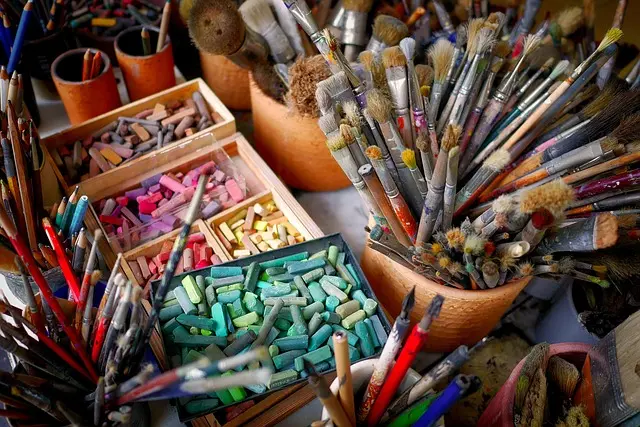
One effective way to find your artistic style is to experiment with various mediums. Whether you prefer painting, drawing, digital art, photography, or sculpture, each medium has unique characteristics that may appeal to your creative instincts. For example, you may find that the freedom of watercolor resonates with you, while the precision of acrylics feels restrictive. Set aside time to explore each medium to determine which one allows you to express yourself most authentically and comfortably.
3. Create a Personal Mood Board
A personal mood board is an excellent way to gather inspiration and start defining your style. Collect images, colors, textures, and artworks that resonate with you. Platforms like Pinterest or even physical cutting boards with magazines can be useful. Over time, you'll start to notice patterns in the items you've chosen. Perhaps you’re drawn to bold colors or minimalistic designs. This clarity will help you identify your artistic preferences and guide your future work.
4. Study the Masters
Observing and studying works from renowned artists can provide valuable insights into different styles and techniques. Analyze the works of artists you admire and note what aspects you are drawn to. Are there particular brush strokes that resonate with you, or color palettes that evoke emotion? This understanding can inspire you as you develop your unique voice. Books, documentaries, and art critiques are invaluable resources for this kind of study.
5. Engage in Regular Practice
Like any skill, developing an artistic style takes consistent practice. Set a schedule for your art-making endeavors and stick to it. This dedicated time allows you to experiment freely without the pressure of expectations. According to a survey by ArtFinder, 85% of artists agree that regular practice is crucial for honing their skills. Over time, you’ll begin to see a natural progression in your work that may hint at your developing style.
6. Ask for Feedback
Sometimes, the best way to understand your style is to seek feedback from others. Engage with fellow artists or friends who appreciate art and can provide constructive criticism. Platforms like Instagram and art communities such as DeviantArt can be great avenues for sharing your work and receiving input. The insights from diverse perspectives can unlock new dimensions in your creativity that you might not see yourself.
7. Keep a Sketchbook Journal
Maintaining a sketchbook is an invaluable tool for any artist. Use it to jot down ideas, quick sketches, and experiments. This journal serves as a visual diary, documenting your growth and changes in style. You can revisit it to observe how your artistic preferences evolve over time. This practice not only allows for creativity without constraints but also acts as a reference point when you feel lost in your artistic journey.
8. Reflect on Your Work
Regularly reviewing your previous works can help you recognize certain themes or techniques that you consistently gravitate towards. Create a portfolio or digital folder where you archive your best pieces. Take the time to analyze what you like about each work and what you would change. This reflection can provide you with clues about your consistent stylistic choices and help you reaffirm your artistic identity.
9. Collaborate with Other Artists
Collaborating with fellow artists can introduce you to new ideas and practices that may inspire your style. Such collaborations often lead to unique outcomes that can help you discover aspects of your creativity you were unaware of. Consider joining art collectives, workshops, or even online collaborations through social media platforms. Partnerships can prove to be transformative in shaping your artistic voice.
10. Trust Your Instincts
Ultimately, finding your artistic style is a deeply personal journey. Trusting your instincts and preferences is essential. Don't feel pressured to conform to existing trends or styles. Authenticity often resonates with audiences more than imitation. Keep in mind that your artistic journey is unique to you, and embracing your individuality can lead to profound personal satisfaction and growth.
📺 For further exploration: [Understanding Artistic Styles: A Deep Dive], an in-depth analysis of how styles evolve and how to set yourself apart. Search on YouTube: "understanding artistic style".
Glossary
| Term | Definition |
|---|---|
| Artistic Style | A distinctive manner of expression in visual arts. |
| Medium | The materials or techniques used by an artist to create artworks. |
| Mood Board | A visual collage of images and ideas to inspire creativity. |
Checklist for Finding Your Artistic Style
- [ ] Experiment with different mediums
- [ ] Create a personal mood board
- [ ] Study artists’ works you admire
- [ ] Engage in regular practice
- [ ] Seek feedback on your work
- [ ] Maintain a sketchbook journal
- [ ] Reflect on past works
- [ ] Collaborate with others
- [ ] Trust your instincts
🧠 Quick Quiz: What is essential for finding your artistic style?
- A) Copying famous artists
- B) Regular practice and self-reflection
- C) Following trends strictly
Answer: B — Regular practice and self-reflection are crucial for developing your own artistic identity.
Your artistic style will develop as you continue to search within yourself and not be afraid to express what you find. Remember, art is about exploration and expression, so enjoy the journey!
📺 Pour aller plus loin : how to find your artistic style 2026 sur YouTube