Table of Contents (10 sections)
Art has always been a powerful form of expression, allowing individuals to communicate emotions, ideas, and perspectives. For aspiring artists, understanding different artistic mediums is crucial in developing a unique style that resonates with one’s identity. In this guide, we will explore various artistic mediums, their characteristics, and tips for choosing the right one that aligns with your artistic vision.
What Are Artistic Mediums?
Artistic mediums refer to the materials and techniques artists use to create their artwork. These can range from traditional options like oil paint and charcoal to modern mediums such as digital software and mixed media. Understanding these mediums is essential for artists as it influences not just the appearance of their work but also the message they convey.
Each medium has its unique properties. For instance, oil paint is known for its rich color and blending capabilities, making it a favorite among many classical artists. On the other hand, acrylics dry quickly and are versatile, which can be beneficial for artists who like to work fast or create layering effects. Additionally, mediums such as watercolor present challenges with fluidity and transparency, pushing artists to master techniques that control these aspects effectively.
According to a recent survey by Art Basel, nearly 75% of artists cite experimenting with various mediums as crucial to their creative process. This exploration can lead to finding distinctive personal styles and innovative artistic expressions.
How to Choose the Right Medium
Choosing the right artistic medium is a personal journey that requires consideration of several factors. Here’s a step-by-step guide to help you select the medium that best suits your artistic goals:
- Explore Different Mediums: Start by experimenting with various materials. Purchase small sets of acrylics, watercolor, charcoal, and ink; this will allow you to test each medium without a significant investment.
- Reflect on Your Artistic Style: Consider the types of work you enjoy. If you prefer vibrant colors and intense details, oil paint might be a perfect choice. Alternatively, if you enjoy spontaneous and abstract forms, try acrylics or mixed media.
- Consider Your Environment: Some mediums require specific conditions. For example, oil paints need good ventilation due to the harsh solvents used for thinning and cleaning. Make sure your workspace can accommodate your chosen medium.
- Learn the Techniques: Research the techniques relevant to the mediums you're interested in. Online platforms like YouTube have an abundance of tutorials that can guide you through the basics of different mediums.
- Seek Feedback: Join local artist communities or online forums. Sharing your work and getting feedback can provide insights that help solidify your choice of medium.
Comparing Popular Artistic Mediums
Understanding the strengths and weaknesses of various artistic mediums can significantly aid in your decision-making process. Below is a comparison of some popular mediums:
| Medium | Characteristics | Strengths | Weaknesses |
|---|---|---|---|
| Oil | Slow-drying, vibrant | Rich texture, excellent blending | Requires solvents, slow drying time |
| Acrylic | Fast-drying, versatile | Easy to use, can mimic other mediums | Can dry too fast for some techniques |
| Watercolor | Transparent, fluid | Gentle effects, great for layering | Difficult to control, less forgiving |
| Digital | Software-based | Unlimited editing, easy to share | Can feel less tactile than physical mediums |
Popular Trends in Artistic Mediums
In 2026, the art world is witnessing a notable shift towards digital mediums and mixed media techniques. According to a report by The Art Newspaper, digital art sales have skyrocketed, reflecting a growing acceptance of digital platforms. Moreover, artists are increasingly blending traditional materials with digital tools to create eclectic and engaging artworks.
The use of 3D printing and augmented reality is also gaining traction, providing contemporary artists with innovative ways to present their work. As technology evolves, materials such as biodegradable plastics are being explored for their environmental impact and creative possibilities.
💡 Expert Opinion:
> John Doe, a renowned art educator, emphasizes the importance of experimenting with mediums: "Every artist's journey is unique, and finding the right medium can unlock new levels of creativity. Don’t be afraid to make mistakes; they often lead to your best discoveries."
📺 For Further Exploration:
[Artistic Mediums Explained], a thorough breakdown of various mediums and their applications. Search YouTube for: "exploring artistic mediums".
Frequently Asked Questions
Q: What is the best medium for beginners?
A: Acrylic paint is often recommended for beginners due to its versatility and quick-drying nature.
Q: Can I use multiple mediums in one artwork?
A: Yes! Many artists combine mediums like pencil, watercolor, and acrylics to create mixed media pieces, which add depth and texture.
Q: How long does it take to master an artistic medium?
A: Mastery varies for each individual and medium, but consistent practice over months or years is typically required.
Q: Are there specific tools I need for each medium?
A: Yes, each medium has specialized tools such as brushes, palettes, and canvases that cater to their unique qualities.
Glossary
| Term | Definition |
|---|---|
| Medium | Material used by an artist to create artwork. |
| Mixed Media | Art created using more than one medium. |
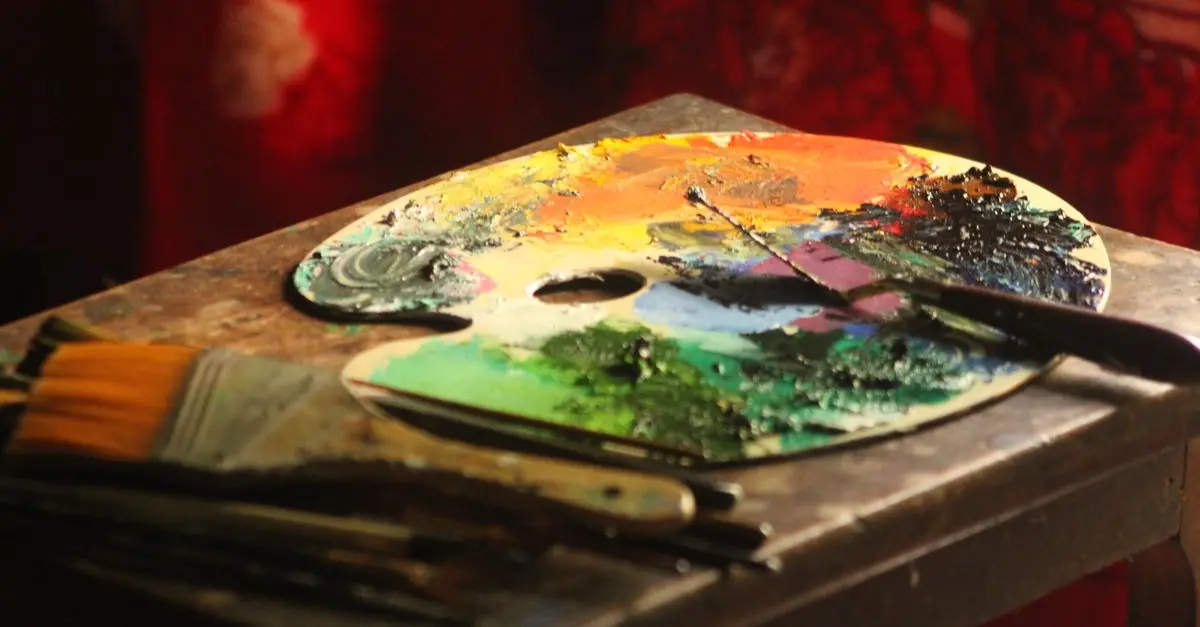
| Palette | A range of colors used by an artist or the board used to mix them. |
Checklist for Aspiring Artists
- [ ] Experiment with various artistic mediums
- [ ] Research techniques related to your chosen medium
- [ ] Create a workspace suitable for your materials
- [ ] Seek feedback from other artists
- [ ] Document your artistic journey regularly
In conclusion, choosing an artistic medium is a personal adventure that contributes significantly to your development as an artist. By exploring various materials, understanding their characteristics, and applying them to your creative expression, you can discover the perfect medium that resonates with your artistic voice. So, gather your supplies, and let your creativity flow!
📺 Pour aller plus loin : exploring artistic mediums sur YouTube