Table of Contents (14 sections)
Art is a powerful medium of expression that has been used throughout history to convey emotions, ideas, and stories. In recent years, the variety of art mediums available has expanded significantly, offering artists an unprecedented range of choices. Whether you are a budding artist or someone looking to switch up your creative practice, understanding the distinctions between these mediums is essential. In this article, we will compare several popular art mediums to help you choose the best fit for your personal style and creative ambitions.
What Are Art Mediums?
Art mediums refer to the materials and methods used by artists to create their works. Each medium has its own unique characteristics and techniques, influencing the outcome and style of the artwork. Common mediums include painting (oil, acrylic, watercolor), drawing (graphite, charcoal, ink), sculpture (clay, metal, wood), and mixed media, which combines various materials. Understanding these art mediums can profoundly impact how you express your creativity and message.
Importance of Choosing the Right Medium
Choosing the right art medium is crucial because it can enhance your artistic voice and significantly affect the final result of your piece. For instance, oil paint offers rich color depth and slow drying times, allowing artists to blend and layer colors effectively. Conversely, watercolor is known for its transparency and immediacy, ideal for capturing fleeting moments or atmospheric effects. By aligning your artistic goals with the strengths of a specific medium, you not only improve your skills but also elevate the overall quality of your artwork.
Comparing Different Art Mediums
To help you understand the distinct features of various art mediums, we have created a comparison table that highlights their strengths, weaknesses, and ideal use cases. Below is a side-by-side assessment of four popular art mediums:
| Medium | Strengths | Weaknesses | Best For |
|---|---|---|---|
| Oil Paint | Rich colors, blendability | Long drying time | Detailed realism |
| Acrylic Paint | Versatile, fast drying | Can be less forgiving | Versatile styles |
| Watercolor | Light, translucent effects | Hard to correct mistakes | Landscape, florals |
| Charcoal | Bold lines, easy to manipulate | Can smudge easily | Sketching, figure drawing |
Oil Paint
Oil paint is one of the oldest and most revered mediums in art history. Artists such as Vincent van Gogh and Rembrandt extensively used it to create stunning masterpieces. The slow-drying nature of oil paint allows for layering and blending, enabling artists to achieve a rich texture and depth. However, it requires patience, as varnishing after drying can take weeks.
Acrylic Paint
Acrylics have gained popularity over the years due to their versatility and quick drying time. Artists can use acrylics in various ways: dilute for a watercolor effect, or build thick, vivid layers like oil paint. Its water-soluble nature allows for easy cleanup; however, the fast drying can be a double-edged sword for those who prefer to blend extensively during their painting process.
Watercolor
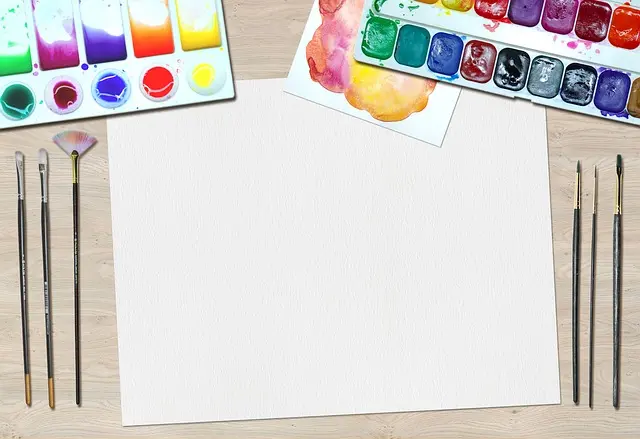
Watercolors are celebrated for their beautiful, transparent qualities that create soft washes and intricate details. They are often applied on paper and are favored by landscape artists for their ability to capture the light. Yet, beginners might struggle with the medium's unforgiving nature and the need for precision as mistakes can easily be permanent without corrective methods.
Charcoal
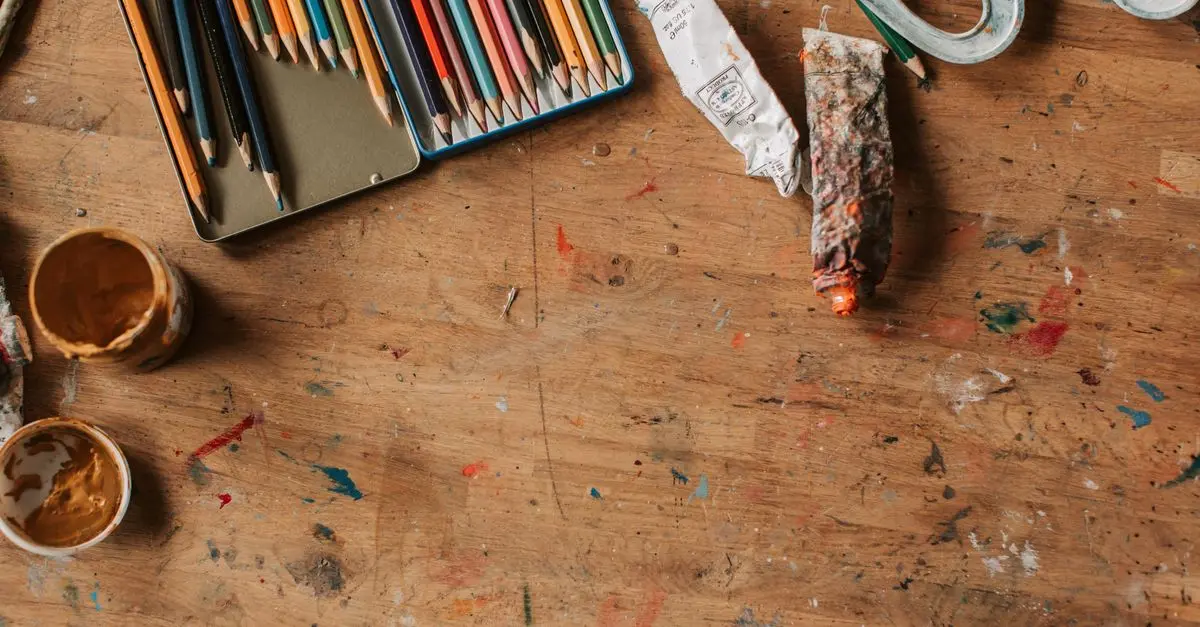
Charcoal is a popular medium for sketching due to its simplicity and richness in texture. It allows for bold strokes and can convey deep shadowing effects. However, charcoal can smudge easily, requiring either a fixative to preserve work or careful handling during the drawing process. Its immediate nature makes it a favorite for quick studies and figure drawings.


Stupell Home Decor Country Sunflower Field Canvas Wall Art, Multi - Multi - Size: 36X48
kohls.com
Expert Insights
> 💡 Expert Opinion: Choosing the medium is about aligning your emotional connection with the material. Explore each medium at your own pace, and allow your experiences to shape your artistic identity. Remember, many artists do not limit themselves to one medium; instead, they often incorporate several into their practice to expand their creative horizons.
FAQs about Art Mediums
What is the best medium for beginners?
The best medium for beginners often depends on personal preference, but many find acrylic paints a great starting point due to their forgiving nature and ease of use.
Can I use multiple mediums in one piece of art?
Absolutely! Mixed media art allows you to combine different materials and techniques for unique results. Experimentation is key in mixed media.
How do I learn to work with a new medium?
Start by taking classes or watching tutorials online. Practice regularly and don’t be afraid to experiment with your choices. Mistakes are a part of the learning process!
How can I decide which medium reflects my artistic style?
Experiment with different mediums to see how they resonate with you. Take note of what feels natural and what aligns with the themes and emotions you want to express.
Glossary
| Term | Definition |
|---|---|
| Medium | The material or technique an artist uses to create artwork. |
| Acrylic Paint | Fast-drying paint made from pigment suspended in a synthetic resin. |
| Mixed Media | Art that combines multiple mediums in a single piece. |
Checklist before Choosing an Art Medium
- [ ] Consider the style of art you want to create.
- [ ] Research different mediums and their applications.
- [ ] Gather necessary tools and materials for your chosen medium.
- [ ] Experiment with each medium before committing.
- [ ] Seek feedback from peers or instructors on your work.


PEACE FOR ALL Graphic T-Shirt Yu Nagaba Natural Small UNIQLO US S unisex
uniqlo.com

📺 Resource Video
> 📺 To go further: Discover various art mediums and their applications, a comprehensive analysis of expressive art. Search on YouTube: art mediums comparison 2026.
In conclusion, choosing the right art medium is essential for artistic expression. By understanding the specific strengths and weaknesses of each medium, you can refine your technique and develop a signature style. Remember, the journey as an artist is personal and continuous—embrace experimentation and enjoy the process.
We’ve selected several products suitable for artists at any skill level. Discover our recommendations below!
📺 Pour aller plus loin : art mediums comparison 2026 sur YouTube
Recommended products
Selected by our experts


SECOND SKIN Surgical Grade Closed Toe 20-30 mmHg Thigh High Silicone Dot Top - Black / Medium Black Medium
compressionsale.com

Estee Lauder 186487.1.8DDA.374E07E860279B60.SKU201535 - female - Size: 0.1 oz
esteelauder.com

Estee Lauder 186487.1.8DDA.2BE04B72F240C0CA.SKU201539 - female - Size: 0.1 oz
esteelauder.com

The Metropolitan Museum of Art Unicorn in a Garden Tee - 14K Gold Plate - Medium
store.metmuseum.org