Table of Contents (13 sections)
Introduction to Abstract Art
Abstract art allows artists to express complex emotions and ideas without the confines of traditional realism. Originating in the early 20th century, it challenged conventional art forms by focusing on shapes, colors, and textures to convey meaning. The movement was spearheaded by visionaries like Wassily Kandinsky and Piet Mondrian, who believed art should represent a reality beyond the physical world. For beginners, abstract art is a gateway to unleash creativity without boundaries.
Materials and Tools Needed
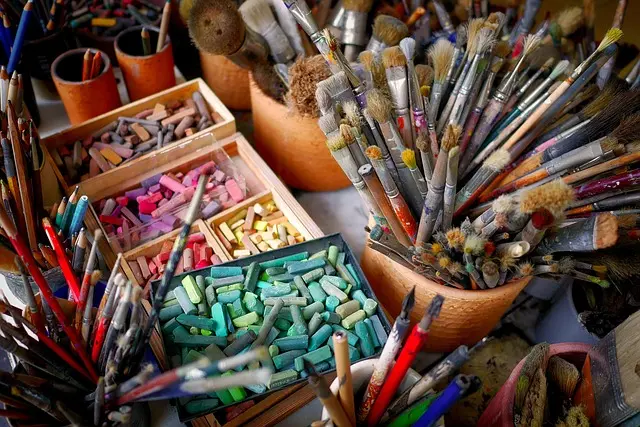
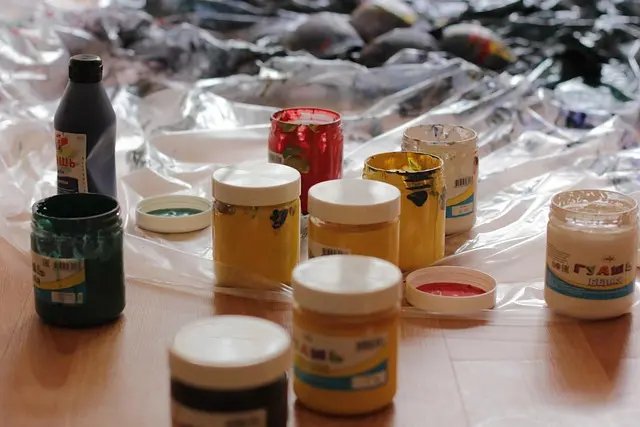
Before diving into abstract art, gathering the right materials is crucial. Basic supplies include paints (acrylic, oil, or watercolor), brushes, canvas or paper, and a palette. Start with essentials, then explore textures with tools like palette knives, sponges, or even household items like forks and combs. Experimentation is key, so be open to using varied tools to create unique effects. Quality materials improve the artwork's longevity and vibrancy, so invest wisely.
Step 1: Understanding the Basics
Abstract art is about form and color. Instead of depicting real objects, it relies on the emotion these elements evoke. To start, familiarize yourself with color theory and basic design principles. Understanding how colors interact can significantly impact the mood of your piece. For instance, warm colors like red and orange evoke energy, while cooler hues like blue and green create calmness. Practice with color wheels and explore the emotional spectrum they can cover.
Step 2: Choose Your Medium
Selecting the right medium is crucial. Acrylic is versatile and dries quickly, ideal for layer work. Oil offers rich textures with a longer drying time, which allows for adjustments. Watercolor encourages fluidity and transparency. Trial a few to see which suits your style and artistic goals. Consider the feel, drying time, and texture each medium offers to find what resonates with you.
Step 3: Get Inspired
Inspiration can come from various sources such as nature, emotions, or music. Spend time observing your surroundings or immerse in a particular feeling or melody. Abstract art is personal, and inspiration often strikes when least expected. Consider keeping a sketchpad or journal to jot down sudden ideas or color combinations that catch your interest. Galleries and art books can also provide visual stimuli and new perspectives.
Step 4: Start Creating
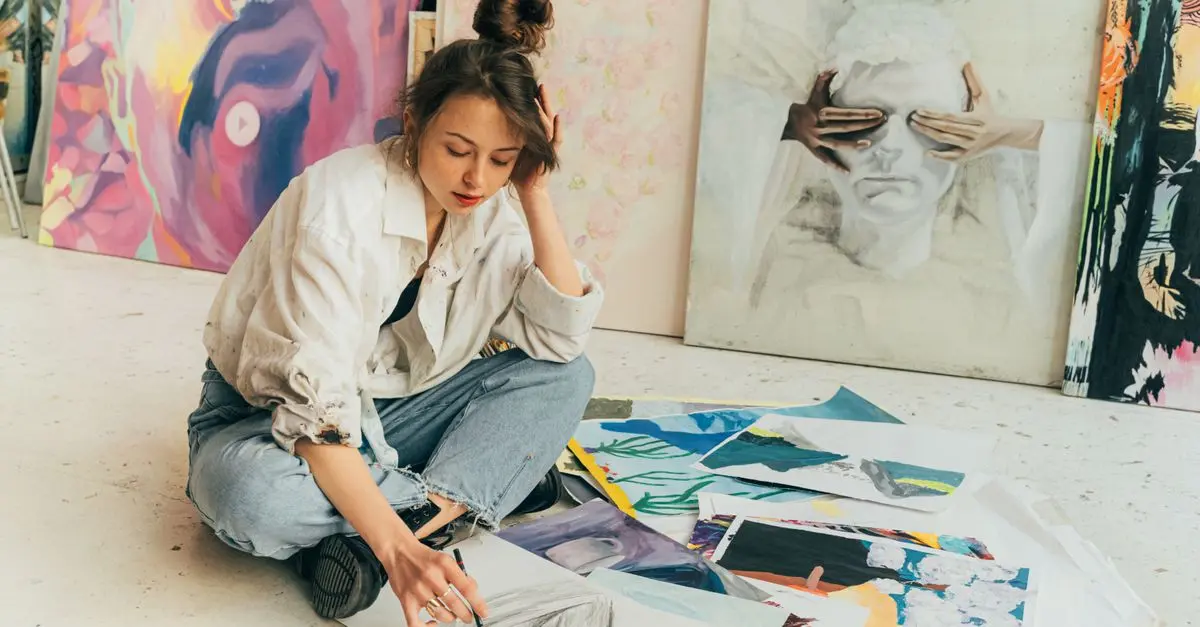
Begin with a loose sketch to outline your thoughts, but let spontaneity guide you. With your chosen medium, focus on your composition and color scheme. Don’t be afraid to make bold strokes or experiment with textures. Mistakes can lead to unexpected beauty, so embrace them as part of the process. Remember, abstract art is an exploration; each piece is a stepping stone to discovering your unique style.
Step 5: Evaluate and Reflect
After completion, take a step back to evaluate your piece. Consider its emotional impact and what it communicates. Reflect on what worked and what could be improved. This stage is crucial for artistic growth. Seek feedback from peers or mentors, who can provide fresh perspectives and constructive criticism. Learning to view your work objectively will enhance your artistic journey.
📺 Video Resource
> 📺 For further exploration: How to Master Abstract Art Techniques, a comprehensive guide on methods and styles of abstract expression. Search on YouTube: "abstract art techniques tutorial".
Comparative Analysis
| Criterion | Acrylic | Oil | Watercolor |
|---|---|---|---|
| Drying Time | Fast | Slow | Fast |
| Texture | Varied thickness | Rich, thick | Smooth, thin |
| Flexibility | Highly adaptable | Less flexible | Limited |
| Maintenance | Easy | Requires care | Easy |
Glossary
| Term | Definition |
|---|---|
| Abstract Art | Art that uses shapes and colors non-representationally |
| Medium | The materials used to create a work |
| Palette Knife | A tool used for applying paint to a surface |
Checklist
- [ ] Gather essential materials
- [ ] Understand basic color theory
- [ ] Select your preferred medium
- [ ] Seek inspiration daily
- [ ] Create with spontaneity and an open mind
- What is abstract art for beginners?
Abstract art for beginners focuses on exploring emotion and form through color and texture, rather than depicting real objects.
- How do I choose which medium to use for abstract art?
Begin by experimenting with different media to find what feel, texture, and drying time best suit your intention and ease of use.
- Can abstract art be learned online?
Yes, numerous online courses and YouTube tutorials offer guidance on abstract techniques and fundamentals.
- Why is feedback important in abstract art?
Feedback helps gain new perspectives and improve technique, aiding personal growth as an artist.