Table of Contents (14 sections)
Embarking on the journey of becoming an artist involves more than just technical skills or innate talent. It’s about discovering your unique artistic path—a personal expression that resonates deeply with you and potentially with others. In a world saturated with creative expressions, your individual voice is what distinguishes you. This article provides actionable tips to help you identify and cultivate your unique artistic direction.
1. Embrace Your Influences
Your artistic path is often shaped by the influences around you. Take time to explore different art forms, styles, and artists that resonate with you. This can include attending galleries, reading art history, or simply engaging with online artistic communities. For instance, during my early artistic journey, I was profoundly influenced by the vibrant street art in my city and the surreal worlds created by contemporary artists. According to a survey from the National Endowment for the Arts, over 70% of artists cite inspiration from external sources as critical to their creative process.
2. Experiment and Explore
Don't be afraid to try different mediums and techniques. Experimentation is key to finding your artistic voice. Whether it’s painting, sculpting, digital art, or photography, explore various avenues. For example, joining a workshop where you can dabble in different styles can unlock new perspectives. Furthermore, keeping a sketchbook allows you to play freely without the pressure of creating a finished piece. This approach can lead to unexpected discoveries that may refine your unique style.
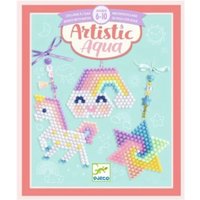
Jeu créatif Djeco Artistic Aqua Perles à repasser Arc-en-ciel
Fnac FR
Sponsored by Awin Bruno
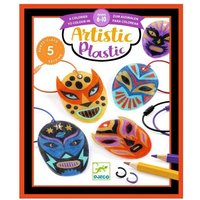
Jeu créatif Djeco Artistic Plastic Porte-clés Catcheurs
Fnac FR
Sponsored by Awin Bruno

3. Reflect on Your Past
Understanding where you come from can be a profound element of your artistic journey. Reflect on your past experiences, memories, and the emotions tied to them. Asking yourself questions like: "What moments in my life have profoundly affected me?" or "What stories do I want to tell through my art?" can guide your creative direction. Neuroaesthetics suggests that personal memories can significantly influence artistic choices and styles.
4. Set Aside Time for Creation
Time dedicated to creating art is essential. Setting a routine helps foster your skills and allows for continuous growth. Consider blocking out specific hours each week where you can focus solely on creating. This could be early mornings, late nights, or even weekends—find what fits your lifestyle. A disciplined approach helps cultivate a habit, making it easier to explore complex ideas without interruption.
5. Seek Feedback
Feedback is crucial in developing as an artist. Engaging in constructive critique with peers or mentors can provide insights that you may overlook. Create a supportive network of fellow artists or join local art groups to share your work. Daring to put your art into the world can be daunting, but those reactions can guide your growth and refine your vision. Remember, criticism doesn’t diminish your work; it enhances your artistic path.
6. Build Your Brand
As you hone in on your unique art style, consider the image you want to project. A cohesive brand—whether it’s through a website, social media, or exhibitions—can help showcase your work effectively. Share your creative process, thoughts on art, or even personal anecdotes tied to your pieces. Establishing a brand not only promotes visibility but also builds a community around your art which can be instrumental in your development.
7. Dive into Art Theory
To deepen your understanding, consider exploring art theory relevant to your interests. Familiarizing yourself with the principles of color theory, composition, and history can empower you in your journey. Online courses or local classes can provide structured insight. Additionally, you may find inspiration while applying these theories to your work, as they can influence how you perceive and create art.
8. Accept Imperfection
Art is not about perfection; it’s about expression. Letting go of the fear of failure is vital. Every artist experiences setbacks or disappointments at various stages of their career. These instances often lead to personal growth and innovation. Embrace your mistakes and see them as a part of your unique journey. As the artist Henri Matisse said, "There are always flowers for those who want to see them." This mindset can free you to explore the limitless potential of your creativity.
📺 For further exploration:
Search on YouTube: "how to find your artistic voice".
Comparative Insights
| Aspect | Traditional Artists | Digital Artists | Performance Artists | Verdict |
|---|---|---|---|---|
| Medium | Various (painting, sculptures) | Digital tools (computers) | Live performances | All explore unique paths |
| Audience Engagement | Exhibitions, galleries | Online platforms | Live audiences | Audience connection varies |
| Feedback Channels | Art critiques | Online comment sections | Performance reviews | Importance of feedback |
| Flexibility of Style | Often confined to medium | Highly adaptable | Various expressions allowed | Flexibility enhances growth |
Q: What if I don't have any unique ideas?
A: It's perfectly normal to feel that way! Start by practicing daily and allowing yourself to create freely without judgment to spark inspiration.
Q: How can I find my artistic community?
A: Local galleries, workshops, and social media platforms are great places to connect with like-minded individuals.
Q: Should I focus on selling my art?
A: While selling can be a goal, ensure your primary focus is on developing your unique expression first.
Q: How long will it take to find my artistic path?
A: Each journey is unique. It can take time—embrace the process and be patient with yourself.
Glossary
| Term | Definition |
|---|---|
| Artistic Voice | The unique style and perspective an artist brings to their work. |
| Art Theory | The study of the principles behind the aesthetic, composition, and practices of art. |
| Feedback | Critique or insight provided about artistic work, often used to improve and refine skills. |
Checklist before creating your unique path
- [ ] Explore different art forms
- [ ] Set aside time for regular creation
- [ ] Seek constructive feedback from peers
- [ ] Read about art theory for better understanding
- [ ] Create a brand that reflects your artistic voice
In conclusion: Finding your unique artistic path is a journey of self-discovery, experimentation, and above all, passion. For aspiring artists, leveraging these insights can usher in new dimensions to your creative expression.
Discover our recommendations below to aid in your artistic exploration!
📺 Pour aller plus loin : how to find your artistic voice sur YouTube
Recommended products
Selected by our experts
Jeu créatif Djeco Artistic Aqua Perles à repasser Arc-en-ciel
Fnac FR
This creative game allows you to explore artistic concepts through fun and engaging activities, perfect for sparking inspiration.
Sponsored by Awin Bruno
Jeu créatif Djeco Artistic Plastic Porte-clés Catcheurs
Fnac FR
Creating artistic pieces can be a great way to express your new ideas. These keychains can serve as a whimsical addition to your portfolio.
Sponsored by Awin Bruno
Lamp Depot - Moving Sand Landscape Table Lamp
bestbuy.com
Unique decor can inspire creativity in your studio. This kinetic table lamp adds a dynamic touch to your workspace.