Table of Contents (17 sections)
Becoming an artist is a rewarding journey that requires dedication, practice, and a willingness to explore new techniques and mediums. Whether you're a beginner or looking to refine your skills, here are some essential tips to help you along the way.
1. Embrace Continuous Learning
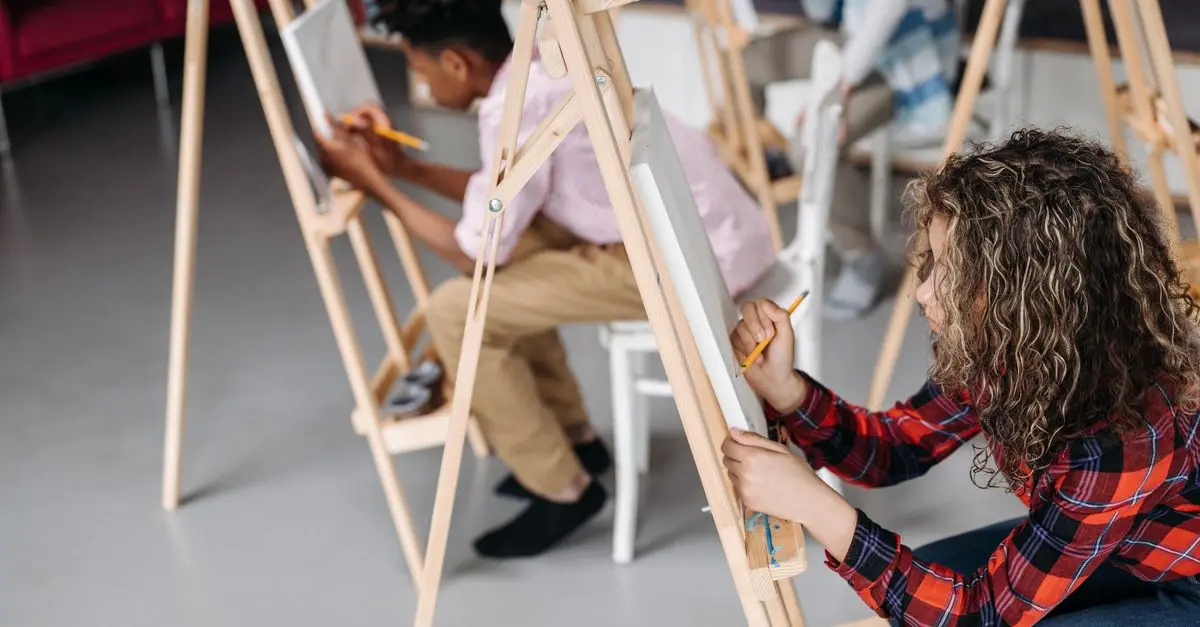
To truly master your craft, it's vital to adopt a mindset of continuous learning. Art is an evolving field, and there are always new techniques and styles to explore. Attend workshops, enroll in online courses, or follow art tutorials on platforms like YouTube. Engaging with seasoned artists through communities can provide insights and mentorship as well.
2. Set Realistic Goals
Setting achievable goals will keep you motivated and help you track your progress. Start with short-term objectives, like completing a specific number of sketches each week, before moving on to larger projects. Goals can serve as milestones that indicate improvement and fuel your passion for art.
3. Practice Daily
Regular practice is crucial for developing artistic skills. Set aside a dedicated time each day to create. Even on busy days, a quick sketch or a few minutes of color mixing can keep your creativity flowing. Studies show that practicing for just 30 minutes a day can significantly enhance your abilities over time.
4. Experiment with Different Mediums
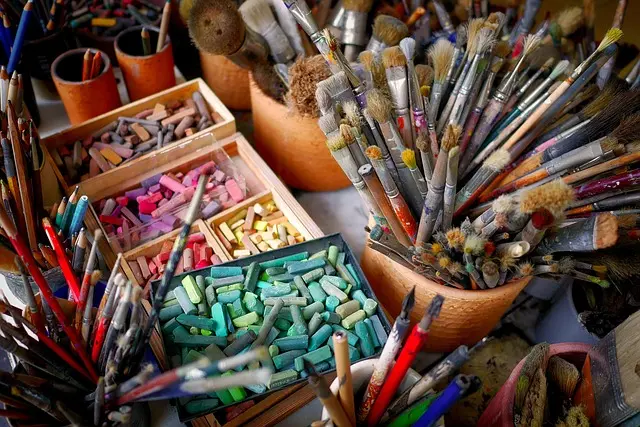
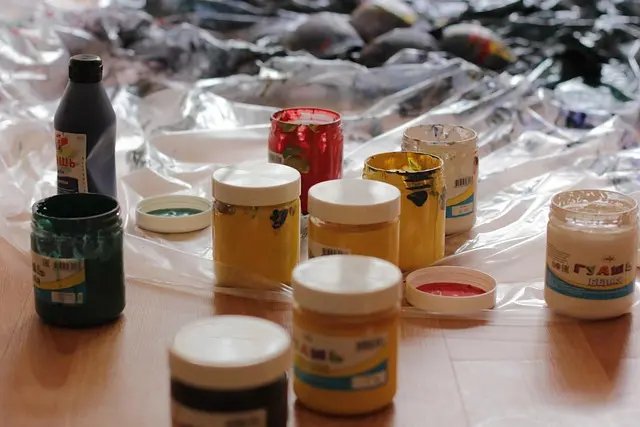
Don’t limit yourself to one medium. Experimenting with various materials—such as acrylics, watercolors, charcoal, or digital tools—can expand your artistic horizons. Each medium offers unique challenges and rewards, helping you find your preferred style while keeping your practice fresh and exciting.
5. Study the Masters
Learning from historical and contemporary artists can provide valuable lessons. Analyze their techniques, styles, and the concepts behind their works. Try to replicate their pieces to understand their approach. This not only builds technical skills but also inspires your creativity.
6. Seek Critique and Feedback
Sharing your work with others can be intimidating, but constructive criticism is essential for development. Join art groups or forums where you can confidently share your creations and receive feedback. This will allow you to view your art from different perspectives and identify areas for improvement.
7. Create a Dedicated Workspace
Having a designated space for your artistic endeavors can significantly affect your productivity and creativity. A well-organized and inspiring workspace allows you to immerse yourself in your art without distractions. Consider elements like natural light, storage for your materials, and a comfortable working surface.
8. Keep an Art Journal
Art journals are fantastic tools for tracking your progress, experimenting with ideas, and developing concepts. Use your journal to sketch, jot down inspirations, and test new techniques. Making this a habit encourages creativity and serves as a record of your artistic journey.
9. Reflect on Your Work
After completing a piece, take the time to reflect on what you could improve. Consider what worked and what didn’t in your artistic process. This reflection promotes growth and self-awareness, essential traits for any artist.
10. Attend Art Shows and Exhibitions
Visiting art exhibitions and shows can expose you to different styles and artists, providing inspiration and motivation. Engaging with the art community can also connect you with fellow artists, leading to collaborative opportunities and creative exchanges.
11. Balance Fun and Work
While practice is important, it’s equally essential to enjoy the process. Create art that genuinely excites you without worrying about the outcome. Fun projects recharge your creativity and remind you why you fell in love with art in the first place.
12. Never Stop Being Curious
Curiosity fuels creativity. Always ask yourself questions about techniques, materials, and concepts. Stay open-minded and willing to explore topics beyond traditional art techniques. Drawing inspiration from diverse fields, such as technology, literature, or nature, can profoundly enhance your artistic practice.
📺 For more insights: Artistic Skill Development Techniques, a deep dive into effective methods. Search on YouTube: "art skill development techniques 2026".
Glossary
| Term | Definition |
|---|---|
| Medium | The material or technique used by an artist to create their work, such as paint, clay, or digital. |
| Art Journal | A personal notebook where artists sketch ideas, practice techniques, and reflect on their work. |
| Critique | Constructive feedback on an artist's work that aids in improvement and growth. |
Checklist before purchase
- [ ] Set achievable artistic goals
- [ ] Dedicate daily time for practice
- [ ] Experiment with different mediums
- [ ] Seek feedback from peers
- [ ] Reflect on art progress
Discover our selected products relevant to your artistic journey below!
Recommended Products
- - ---
📺 Pour aller plus loin : art skill development techniques 2026 sur YouTube
Recommended products
Selected by our experts
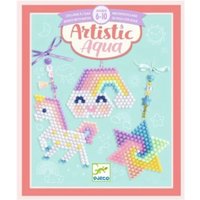
Jeu créatif Djeco Artistic Aqua Perles à repasser Arc-en-ciel
Fnac FR
This creative game is a fantastic way to explore the world of colors and creativity through a fun melting beads activity.
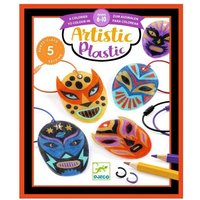
Jeu créatif Djeco Artistic Plastic Porte-clés Catcheurs
Fnac FR
Engage with this unique keychain-making set, perfect for practicing precision and creativity while making personalized gifts.