Table of Contents (25 sections)
Becoming an artist is a journey filled with creativity, exploration, and self-discovery. To thrive in this dynamic field, aspiring artists must master various techniques. In this article, we explore essential techniques for aspiring artists to enhance their skills, express their creativity, and elevate their artistic careers.
1. Drawing Fundamentals
Why Drawing is Essential
Drawing is the foundational skill for every artist. It helps you understand proportions, shapes, and perspectives. Whether you are aiming to paint, sculpt, or create digital art, mastering drawing techniques lays the groundwork for all other artistic endeavors. Start with basic shapes — cubes, spheres, and cylinders — and gradually move to complex forms. Regular practice, alongside observation of real-life subjects, sharpens your skills and enhances your ability to recreate what you see.
2. Color Theory Knowledge
Understanding Color Interactions
Knowledge of color theory is vital for any aspiring artist. It involves comprehending how colors interact, blend, and complement each other. Familiarize yourself with the color wheel, primary, secondary, and tertiary colors, as well as concepts such as warm vs. cool colors. This understanding influences your choices in all mediums— from painting to graphic design. Experimentation with color mixing can lead to unique outcomes and is crucial in developing your personal artistic style.
3. Composition Techniques
Arranging Elements for Impact
Mastering composition is essential for creating visually engaging artwork. Composition refers to how elements are arranged in your piece. Start with the rule of thirds as a guide to create balance and interest. Experiment with symmetry and asymmetry, focal points, and leading lines to direct the viewer’s eye throughout your work. An effective composition not only enhances aesthetic appeal but also communicates your message more clearly.
4. Exploring Different Mediums
Finding Your Preferred Tools
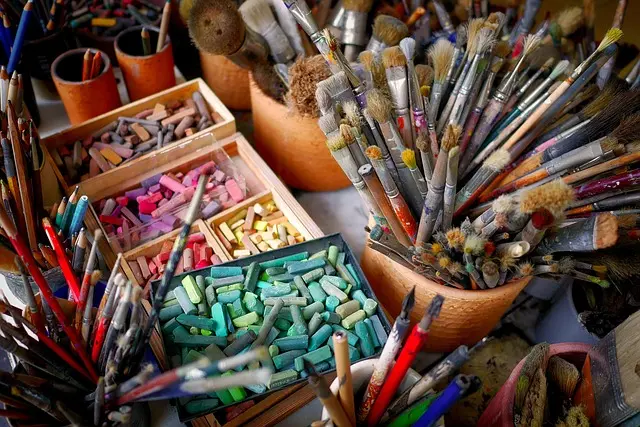
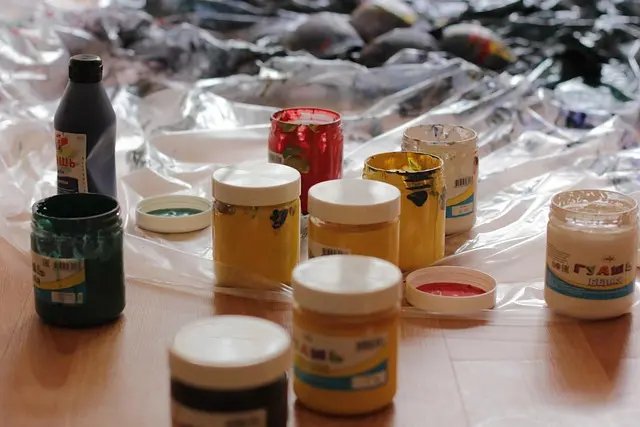
Experimenting with various mediums—such as acrylics, oils, watercolors, or digital formats—allows you to discover what resonates with you. Each medium has distinct characteristics and techniques. For instance, oils provide rich colors and blend well, while watercolors are transparent and fluid. Challenge yourself with at least three different mediums to find your preference. This exploration fosters versatility and growth, which is essential for any budding artist.
5. Learning from Masters
The Value of Art History
Study the works and techniques of renowned artists throughout history. Understanding their styles and approaches can inspire your own creativity. Analyze how they applied color, composition, texture, and forms. Additionally, visiting galleries and museums allows for firsthand observation of these techniques. Consider enrolling in workshops or courses that focus on different artists' methods, enabling you to replicate and adapt their skills into your own practice.
6. Art Critique and Feedback
The Importance of Constructive Criticism
Seeking feedback is crucial for any artist's growth. Join local art communities or online forums where you can share your work and receive constructive criticism. Analyzing and discussing art with peers helps identify strengths and areas for improvement. Embrace both positive and negative feedback; it can guide you toward refining your skills and deepening your understanding of artistic expression.
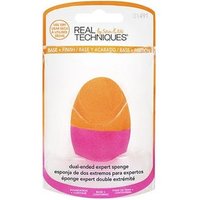

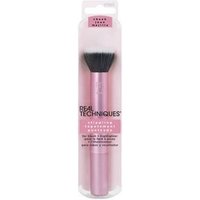
Eponge applicatrice Real Techniques avec couvercle 1pc
DocMorris FR (ex DoctiPharma FR)
7. Experimenting with Style
Developing Your Unique Voice
Finding your unique artistic style takes time and experimentation. Allow yourself the freedom to create without the pressure of perfection. Explore different genres and themes, mix ideas from multiple influences, and let your experiences guide your artistic voice. Maintaining a sketchbook for ideas and doodles can also help foster creativity without the constraint of a finished piece.
8. Regular Practice and Routine
Commitment to Your Craft
Consistency is key in developing your artistic abilities. Designate time in your daily routine to practice your techniques, whether through sketching, painting, or digital work. Research shows that regular practice leads to improved skill and confidence. Set manageable goals to track your progress and celebrate small achievements along the way to keep yourself motivated.
9. Networking and Collaboration
Building Relationships in the Art World
Connection with other artists, galleries, and art enthusiasts is invaluable for growth. Attend exhibitions, art fairs, and community events to meet like-minded individuals. Collaborative projects not only expand your network but also offer new perspectives and techniques to learn from. Building relationships within the art community can lead to opportunities for mentorship, exhibitions, and shows.
10. Marketing Your Artwork
Essential Skills for Success
In today’s digital age, knowing how to market your artwork is essential for success. Develop a portfolio showcasing your best pieces, and create a social media presence to share your journey and engage with potential collectors. Research how to craft compelling artist statements and tactics for networking within the online art marketplace. An understanding of marketing can significantly enhance your visibility and exposure as an artist.
📺 Resource Video
> 📺 For further insights: Exploring Fundamental Techniques Every Artist Should Master, a thorough overview of essential skills. Search on YouTube: art techniques for beginners.
Glossary
| Term | Definition |
|---|---|
| Composition | The arrangement of elements within an artwork to create balance and interest. |
| Medium | The materials used to create art, such as paint, pencil, or digital tools. |
| Color Theory | The study of how colors interact, mix, and affect one another and user perception. |
Checklist for Aspiring Artists
- [ ] Master basic drawing fundamentals
- [ ] Understand and apply color theory
- [ ] Create impactful compositions
- [ ] Experiment with various art mediums
- [ ] Study techniques from historical masters
- [ ] Seek constructive feedback on your work
- [ ] Develop and refine your personal style
- [ ] Practice regularly to improve skills
- [ ] Network with other artists and art communities
- [ ] Learn to market your art effectively
Conclusion
Mastering these essential techniques for aspiring artists can pave the way for a successful artistic career. Dedication, consistent practice, and a willingness to learn and experiment are key ingredients. Equip yourself with the knowledge and skills outlined in this article, and watch your artistic journey unfold actively.
🧠 Quick Quiz: What is the most important fundamental technique for aspiring artists?
- A) Color mixing
- B) Drawing
- C) Marketing
Answer: B — Drawing is the foundational skill in art, essential for all other techniques.
📺 Pour aller plus loin : art techniques for beginners 2026 sur YouTube
Recommended products
Selected by our experts
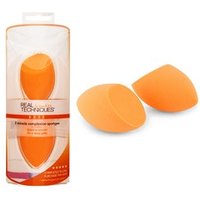
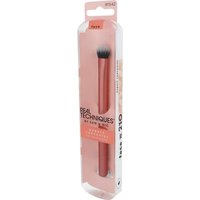
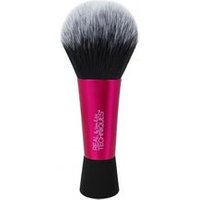
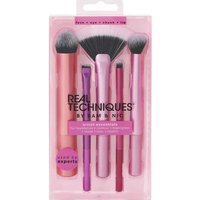
Kit de pinceaux Real Techniques Artist Essentials
DocMorris FR (ex DoctiPharma FR)
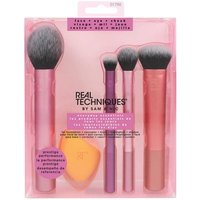
Real Techniques Makeup Must Haves Makeup Brush Kit
DocMorris FR (ex DoctiPharma FR)