Table of Contents (12 sections)
In the vibrant world of art, mastering specific techniques is crucial for emerging artists. Elements such as creativity, technical prowess, and adaptability play critical roles in an artist's journey. This article explores the essential techniques for emerging artists, offering valuable insights and practical steps to enhance your artistic skills.
1. Understand Art Fundamentals
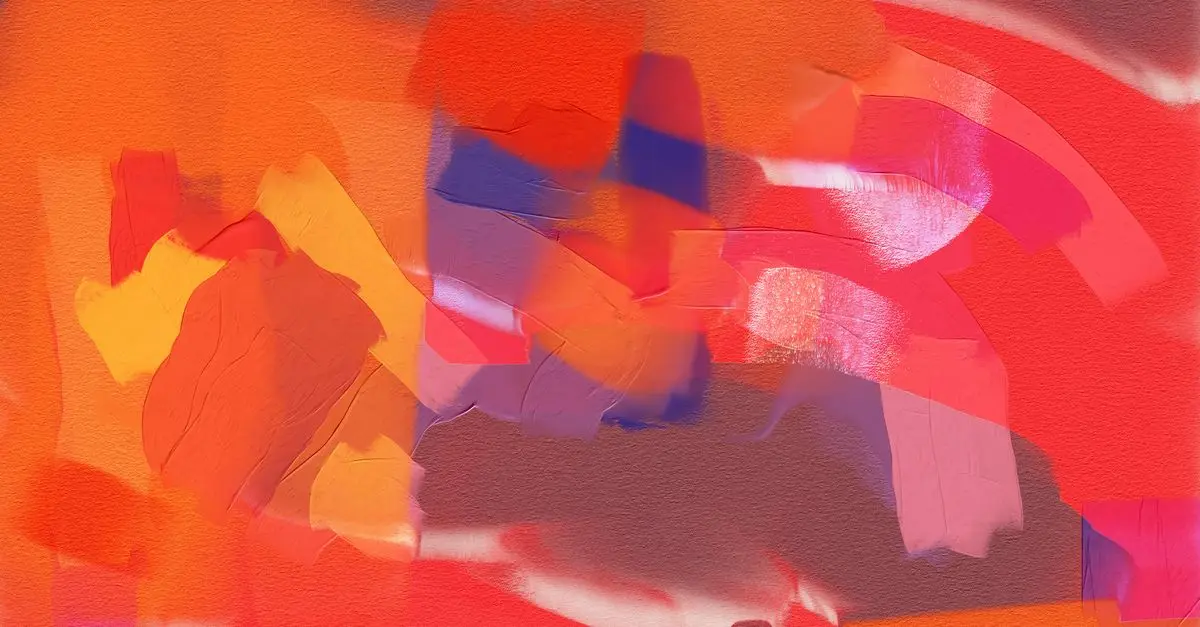
Every successful artist must grasp the art fundamentals, including color theory, composition, and perspective. These foundational principles provide the roadmap for art creation. Color theory explains how colors interact and how to create harmony or contrast in your works. For instance, understanding complementary colors can lead to dynamic and engaging pieces. Composition involves arranging elements in your artwork effectively; mastering techniques like the rule of thirds can drastically enhance visual appeal. Furthermore, perspective allows artists to create a sense of depth in their work, making subjects appear three-dimensional. Focusing on these areas will root your artistry in solid ground, facilitating impactful expression.
2. Experiment with Different Mediums
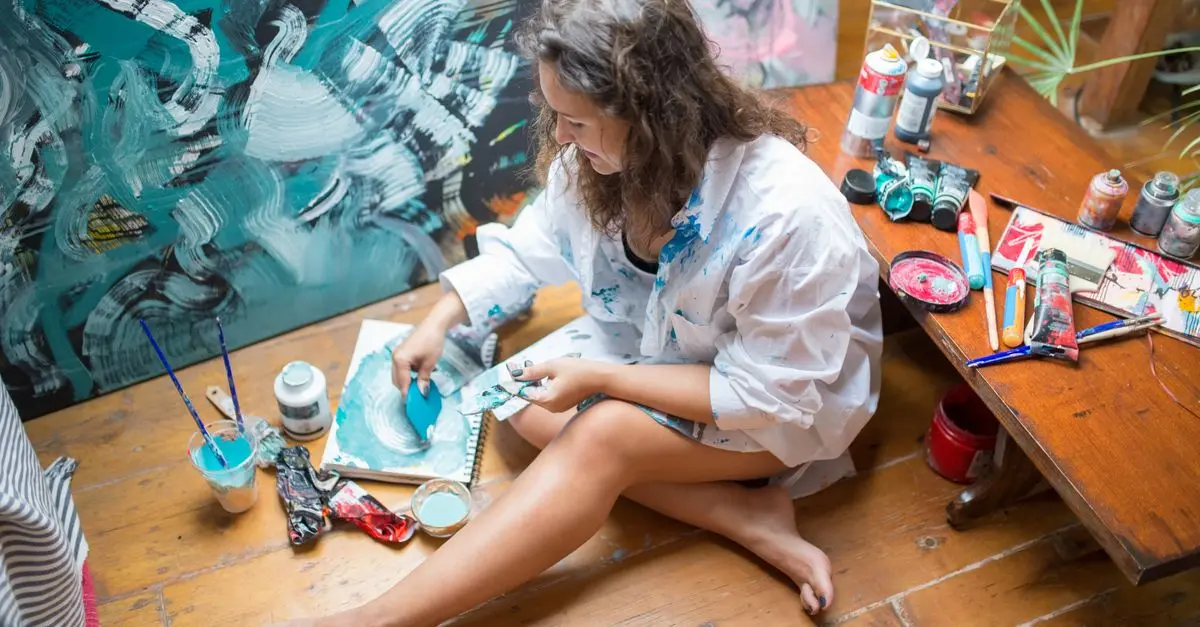
Diverse artistic mediums open avenues for expression and innovation. From oil paints to digital illustrations, experimenting is key to discovering your unique style. Each medium has its characteristics—for instance, watercolor is known for its fluidity and translucence, while acrylic offers vibrant colors and quick-drying properties. Understanding the nuances of each has allowed many artists to find their preferred method. Engaging with different materials not only enhances your skill but also broadens your creative voice. Artists often report that trying out unfamiliar mediums sparked unexpected inspiration, leading to evolved styles or thematic explorations.
3. Develop Your Unique Style
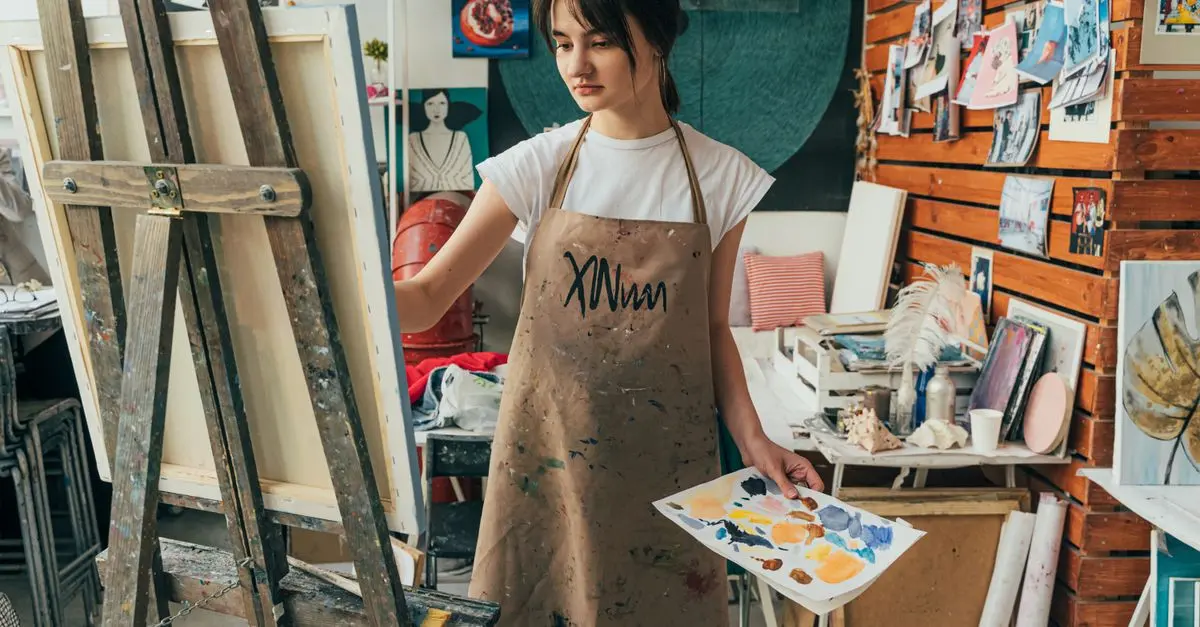
Art is not only about techniques but also about individuality. Emerging artists should focus on developing a unique style that reflects personal experiences, beliefs, and emotions. Referencing iconic artists like Frida Kahlo or Vincent van Gogh, who infused their art with personal narratives, can provide inspiration. To cultivate your own unique style, analyze what resonates with you in art. Create art that narrates your story, and embrace errors as learning opportunities. This self-exploration can lead to genuine, authentic artwork that speaks to viewers on a deeper level.
4. Create Regularly and Set Goals
Commitment is vital in your artistic journey. Establishing a routine that includes regular practice will significantly improve your skills over time. Consider setting specific, measurable goals—such as completing a piece per week or dedicating two hours to practice daily. Research indicates that consistency in practice increases an artist's proficiency (source: UFC-Que Choisir). Additionally, treating art like any profession will enhance your discipline and focus, eventually leading to greater accomplishments and creativity.
5. Seek Feedback and Collaboration
Engaging with mentors, peers, and art communities can provide invaluable insights into your work. Feedback helps you see your art from different perspectives and can highlight areas for improvement. Whether through social media platforms or local art groups, sharing your work and participating in critiques fosters growth. Collaborations with other artists can also spark creativity and introduce new techniques, enriching your artistic toolbox. Remember, art is often more profound when shared and discussed within a community.
6. Study Art History and Contemporary Trends
Understanding art history and contemporary movements can enhance your perspective as an artist. Analyzing different art movements, such as Impressionism or Surrealism, provides context about what has influenced today's art world. Additionally, being aware of current trends can help you tap into the cultural zeitgeist, allowing your work to resonate more with audiences. Visiting museums, reading art history books, and attending art shows are excellent ways to immerse yourself in the broader artistic landscape.
7. Commit to Continuous Learning
Art evolution never ceases. Constantly seeking knowledge through workshops, online courses, or tutorials is paramount for growth. Many platforms provide resources tailored for emerging artists, covering everything from brush techniques to digital art skills. Engaging with these resources can open doors to unfamiliar techniques, contributing to further skill enhancement. The willingness to learn underscores your commitment to your craft and can lead to substantial improvements in your work.
8. Build Your Portfolio
A strong portfolio is essential for an emerging artist, acting as a showcase for your skills and style. As you develop your art, consistently update your portfolio, including your best works. A good portfolio not only highlights your artistic journey but also serves as an essential tool for professional opportunities. Ensure to curate your pieces thoughtfully, demonstrating versatility while staying true to your personal style. Websites and social media are effective platforms for showcasing your portfolio to a broader audience.
Conclusion
Mastering these essential techniques can directly impact your growth as an artist. By focusing on fundamentals, experimenting with mediums, and engaging with your art community, you can elevate your creative journey. Take the next step in your artistic evolution with these skills outlined above.
Checklist before you start your artistic journey
- [ ] Grasp art fundamentals (color theory, composition, perspective)
- [ ] Experiment with different mediums
- [ ] Develop a unique style
- [ ] Create art regularly and set actionable goals
- [ ] Seek feedback and collaborate with peers
- [ ] Study art history and current trends
- [ ] Commit to continuous learning
- [ ] Build and maintain an updated portfolio
Glossary
| Term | Definition |
|---|---|
| Color Theory | The study of how colors interact and affect each other in visual arts. |
| Composition | The arrangement of visual elements in a work of art. |
| Perspective | The technique used to represent three-dimensional objects on a two-dimensional surface. |
> 📺 For further insight: [Watch 'Techniques for Emerging Artists'], an in-depth discussion about mastering essential skills. Search on YouTube: "essential techniques for emerging artists 2026".
📺 Pour aller plus loin : essential techniques for emerging artists 2026 sur YouTube
Recommended products
Selected by our experts
Gants zootechniques El.Cm85 50Pcs
DocMorris FR (ex DoctiPharma FR)
These gloves are essential for artists who work with various materials, protecting hands while allowing for precision.
Eponge d'application Real Techniques 1pc
DocMorris FR (ex DoctiPharma FR)
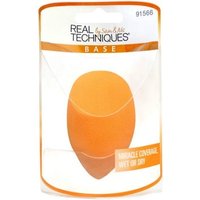
This application sponge is a great tool for emerging artists to experiment with blending and applying colors.