Table of Contents (12 sections)
Embarking on your kickstart artistic journey can be both thrilling and daunting. Whether you're drawn to painting, drawing, or digital art, the road to developing your skills requires a structured approach. In this article, we delve into actionable steps to help new artists navigate their initial endeavors into the world of art.
1. Understand Your Artistic Passion
Before you immerse yourself in your artistic journey, take the time to explore different mediums and styles. Engaging with various forms of art can help you pinpoint what truly inspires you. For instance, some artists thrive on the vibrant colors of acrylic painting, while others find solace in the detailed precision of pencil sketching.
Consider visiting art galleries, participating in workshops, or taking online classes to discover diverse techniques. This exploration builds a foundation of knowledge and passion. According to a study by The National Endowment for the Arts (2025), individuals who invest time in exploring their artistic interests are more likely to sustain passion and creativity in their work.
2. Create a Dedicated Art Space
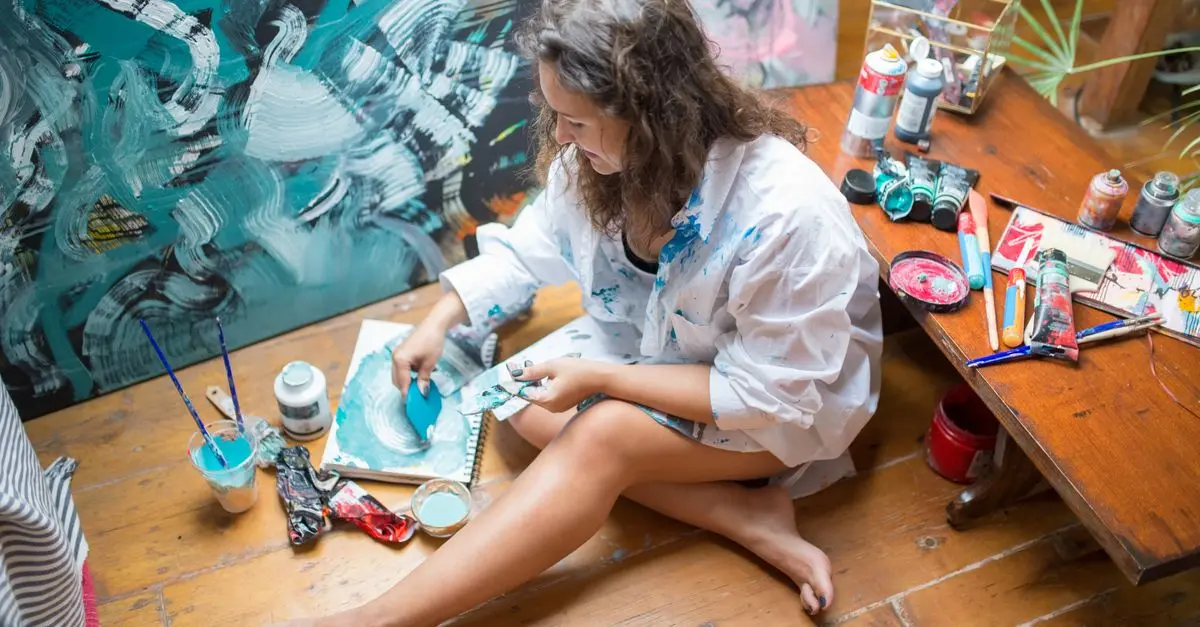
Having a specific space dedicated to your art can significantly enhance your focus and creativity. This area doesn’t have to be lavish; a small corner of your room or a spare room suffices. Ensure it's well-lit and stocked with essential supplies such as paints, brushes, sketchbooks, and other tools relevant to your medium of choice.
Psychological studies suggest that environment plays a crucial role in productivity and creativity. For instance, Stanford University researchers found that individuals are more likely to engage in creative tasks if their environment is organized and designed to inspire. Decorate your space with art that inspires you, and keep your materials easily accessible to encourage spontaneous creativity.
3. Equip Yourself with the Right Tools
Every artist needs the right tools to manifest their vision. Research and invest in quality supplies within your budget. For instance, if you’re starting with painting, consider the differences between acrylics, watercolors, and oils, and choose accordingly. Each medium offers unique characteristics and possibilities.
Utilizing reliable supplies enhances the quality of your work. Brands such as Winsor & Newton and Faber-Castell offer student-grade products that provide excellent results without breaking the bank. It’s wise to consult online reviews or community forums for feedback on specific products before making purchases.
4. Establish a Routine
Creating art regularly is essential to developing your skills. Establishing a routine can help integrate art into your daily life, making it a habit rather than a sporadic activity. Commit to setting aside time each day or week dedicated solely to your artistic practice.
Setting specific goals can facilitate consistency. For instance, aim to complete one painting a week or dedicate 30 minutes daily to sketching. Tracking your progress can bolster motivation and provide a tangible sense of accomplishment. Remember, the most important part is to enjoy the process, as creativity often flourishes in a relaxed and open environment.
5. Seek Feedback and Learn
Feedback from peers or mentors can vastly improve your artistic skills. Join local art groups, online communities, or workshops where you can share your work and receive constructive criticism. Be open to suggestions and learning from others’ experiences; this will foster growth and refinement in your techniques.
Additionally, consider documenting your progress through a sketchbook or an art blog. Sharing your journey allows you to reflect on your evolution as an artist and connect with a broader community. Engaging with others can also inspire new ideas and foster collaboration. According to data by Art Business News (2026), artists who actively engage with communities tend to produce more innovative work and achieve greater satisfaction in their artistic endeavors.
6. Experiment and Embrace Mistakes
Mistakes are inherent to the creative process; they often lead to unexpected successes. Embrace experimentation with various styles and techniques. Setting strict parameters can sometimes stifle creativity, so don’t be afraid to take risks.
For instance, try integrating mixed media or unusual color palettes that you wouldn’t normally choose. This allows freedom of expression and exploration of your artistic voice. Embracing trial and error is vital; in the words of visual artist Bob Ross, "We don’t make mistakes; we just have happy accidents." Letting go of perfectionism will open doors to more authentic and enjoyable artistic experiences.
7. Document Your Journey
As you grow in your art practice, documenting your journey enhances your self-awareness and growth. Maintain a portfolio showcasing your work, as it can be invaluable when seeking opportunities such as exhibitions or galleries. Online platforms like Behance or ArtStation allow you to create a digital presence, showcasing your progress and completed works.
Regularly updating your portfolio or social media can lead to unexpected opportunities, collaboration invites, or commissions. Remember, visibility is key, so actively share your artwork and engage with your audience to build a supportive community around your art.
8. Celebrate Small Wins
Amidst your artistic journey, take the time to celebrate your successes, no matter how small. Completing a piece or overcoming a creative block deserves recognition. Sharing these achievements with friends, family, or online communities can elevate your morale and encourage continual growth.
Creating art is a journey filled with ups and downs, and acknowledging your progress will motivate you to push forward. Set milestones, and reward yourself upon achieving them to cultivate a positive relationship with your creative process.
📺 For further exploration: How to Start Your Artistic Journey, a full analysis on getting started in art. Search YouTube: "kickstart artistic journey."
📝 Checklist for Your Artistic Journey
- [ ] Explore different art mediums and styles
- [ ] Create a dedicated art space
- [ ] Invest in quality art supplies
- [ ] Set a regular routine for creating art
- [ ] Seek feedback from peers and learn
- [ ] Experiment with various techniques and embrace mistakes
- [ ] Document your artistic journey
- [ ] Celebrate your creative achievements
Glossary
| Term | Definition |
|---|---|
| Medium | The material or technique used by an artist to create art (e.g., acrylic paint, watercolor). |
| Portfolio | A collection of an artist's work, showcasing their abilities and progression over time. |
| Feedback | Constructive criticism or praise from others, instrumental in an artist's growth. |
> 🧠 Quick Quiz: Which of these is an effective way to kickstart your artistic journey?
> - A) Only create art in silence
> - B) Explore various styles and mediums
> - C) Stop creating when you make mistakes
> Answer: B — Exposure to diverse art forms is crucial for discovering your unique style.
📺 Pour aller plus loin : how to kickstart your artistic journey 2026 sur YouTube