Table of Contents (10 sections)
Finding your unique artistic voice is a journey that many aspiring artists embark on. It involves a deep understanding of your identity, influences, and the artistic mediums that speak to you. Your artistic voice is not just about what you create but also how you express your thoughts and feelings through your work. In this tutorial, we will explore essential steps to help you discover and develop your unique artistic identity, providing valuable insights and examples along the way.
Step 1: Self-Reflection and Introspection
The first step in finding your unique artistic voice is to engage in self-reflection. This process involves taking a step back to understand who you are as an individual and how that influences your art. Ask yourself questions like: What are your passions? What experiences have shaped you? What emotions do you want to convey through your art? By identifying these elements, you can start to delineate the core aspects of your artistic identity.
An effective technique is to keep a journal. Document your thoughts, feelings, and experiences. For instance, write about why certain subjects resonate with you or explore your emotional responses to different art forms. This will provide you with a clearer picture of the themes you might want to explore in your artwork. Moreover, studies show that artists who have a strong understanding of their motivations and backgrounds often produce more authentic and compelling work. Therefore, take the time to truly dive into your personal narrative as an aspiring artist.
Step 2: Exploring Different Mediums and Styles
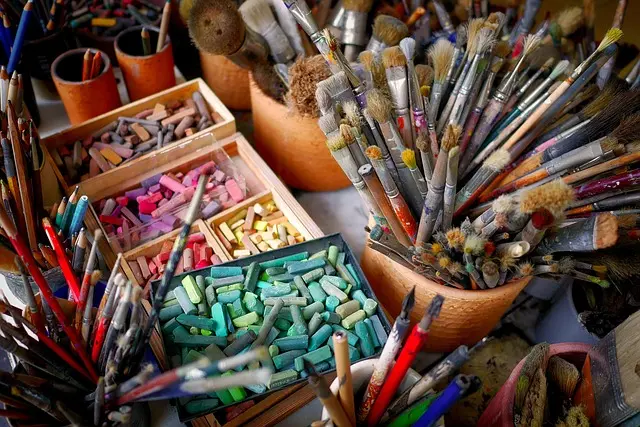
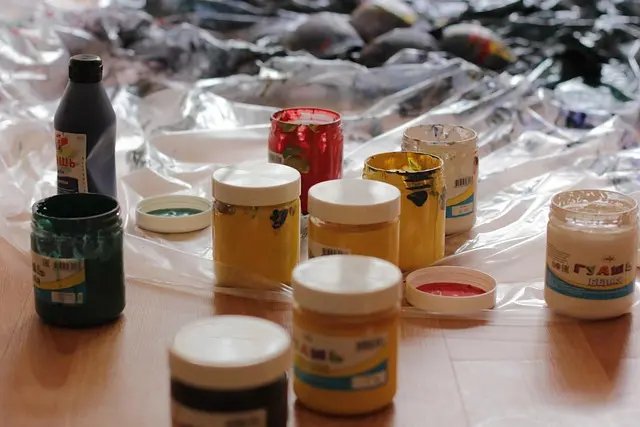
After reflecting on your identity, the next step is to explore various artistic mediums and styles. This exploration helps you determine which tools resonate most with you. Experiment with painting, sculpting, digital art, photography, or mixed media. Each medium has its own unique characteristics that can influence your artistic voice.
For instance, if you enjoy vibrant colors and dynamic textures, painting might be a suitable medium. On the other hand, if you prefer a more modern, minimalist approach, digital art could be the way to go. Don't be afraid to try new techniques, even if they initially feel uncomfortable. According to a 2025 study by The Art Institute, artists who regularly diversified their practices reported increased creativity and innovation in their primary work. Thus, take advantage of courses or workshops to broaden your skillset.

Homary 3D Glam Big Gold Round Wall Decor Unique Decorative Metal Home Hanging Art Living Room
homary.com


GourmetGiftBaskets.com Unique Gift For Him - Meat & Cheese Sampler
gourmetgiftbaskets.com
Step 3: Analyze Influences and Inspirations
Your artistic voice is significantly shaped by your influences and inspirations. Spend time analyzing artists, genres, or cultural movements that inspire you. Create a visual mood board using images, colors, and textures that evoke the feelings you want to express in your art. This can be a physical board or a digital version using platforms like Pinterest.
Consider renowned artists like Frida Kahlo, known for her deeply personal and symbolic works, or Jackson Pollock, whose abstract expressionism reflects spontaneity and emotion. Analyze what you admire in their works: Is it their use of color, composition, or thematic elements? This understanding can inform your own style and help you forge connections between your influences and your original expressions. Furthermore, recognizing these elements will enable you to refine your artistic vision considerably.
Step 4: Practice Consistently
Consistency is key in developing your artistic voice. Establish a routine that allows you to create regularly, whether this means setting aside specific hours each week for art-making or participating in daily creative exercises. This routine fosters discipline and keeps your ideas flowing.
Engage in daily sketching or prompt-based drawing to stimulate your creativity. Furthermore, consider collaborating with other artists or joining art communities both online and offline. According to Creative Bloq's 2026 survey, artists who actively participate in collaborative environments exhibited 30% more innovation and a stronger development of their styles compared to solo practitioners. Making art alongside others not only holds you accountable but also opens you up to new ideas and techniques.
Step 5: Seek Feedback and Iterate
As you develop your unique artistic voice, seeking constructive feedback from peers, mentors, or art groups is invaluable. They can provide perspectives that you may not have considered and help you refine your work further. However, remember to choose feedback that aligns with your artistic goals and vision.
After receiving feedback, take time to reflect on it critically. What resonates? What doesn't? This reflection process can lead to iterations of your work, allowing you to experiment with different approaches or enhance particular attributes in your pieces. Be open to change, but make sure these adjustments serve your artistic voice rather than dilute it. According to an article in The Art Newspaper, artists who iterated on feedback often experienced a 40% improvement in the reception of their subsequent works.
Conclusion
Finding your unique artistic voice is an enriching and ongoing journey. It requires self-reflection, exploration, practice, and openness to feedback. Embrace each step, knowing that your voice will evolve as you do. Trust that your experiences, identity, and influences are integral to your artistic identity. As you embark on this creative endeavor, remind yourself that authenticity is at the heart of exceptional artistry.


Deadwood Trading Skavoovie - Soft Wool Felt Pork Pie Hat - Large / Black
hatcountry.com

Homary 31.5" Large 3D Abstract & Geometric Metal Wall Decor Art for Living Room Bedroom
homary.com
Glossary
| Term | Definition |
|---|---|
| Artistic Voice | The unique expression and style an artist develops through their experiences and preferences. |
| Medium | The materials or techniques used to create an artwork (e.g., oil painting, digital art). |
| Feedback | Constructive criticism and suggestions aimed at improving an artist's work. |
Checklist Before You Start
- [ ] Reflect on your identity and artistic motivations
- [ ] Experiment with multiple artistic mediums
- [ ] Create a visual mood board
- [ ] Establish a consistent art-making routine
- [ ] Seek constructive feedback regularly
🧠 Quick Quiz: What is the first step to discovering your unique artistic voice?
- A) Explore different mediums
- B) Self-reflection
- C) Analyze influences
Answer: B — Self-reflection is essential to understanding your identity and artistic motivations.
📺 Resources Video
To gain further insights into developing your unique artistic voice, search on YouTube: "how to find your artistic style".
📺 Pour aller plus loin : how to find your artistic voice 2026 sur YouTube
Recommended products
Selected by our experts

Homary 30" Large Metal Geometric Wall Clock with Wood Pointer Modern Home Decor Black & Gray
homary.com
Povison "51""Modern Round Glass Dining Table for 4, Gray Tempered Glass Circle Dining Room Table for Kitchen, Glass Kitchen Table, Black X Carbon
povison.com