Table of Contents (8 sections)
Introduction
Discovering your artistic style is a journey of self-expression that many aspiring artists embark upon. The road to uncovering your unique voice can be challenging, yet enriching. It is important to understand that artistic style is not merely about technical skills, but also about personal preferences and unique perspectives. This guide aims to equip you with essential steps that will help you understand how to effectively discover your artistic style through exploration and experimentation.
Step 1: Understand the Basics of Art
Before you can discover your artistic style, it is crucial to have a solid understanding of the basic elements of art, including line, shape, color, texture, and form. Consider enrolling in an art class or participating in workshops that cover these fundamental aspects. According to research by the National Endowment for the Arts, individuals who engage in learning art skills tend to increase their appreciation for various forms of art, thus enhancing their ability to express themselves creatively.
Take time to study famous artists and their unique styles. For example, observe how Pablo Picasso used shapes in Cubism or how Claude Monet employed color to express light in Impressionism. Understanding these foundations will provide you with the skills needed to experiment and refine your own style further down the line. Document your learnings in a sketchbook or a digital journal, paying attention to what resonates with you.

Pai Skincare Booster Discovery Kit Skincare Set For Sensitive Skin
thedetoxmarket.com
TULA Skincare TULA's Greatest Hits Skincare Discovery Kit, - None - Size: 1.6 Oz
kohls.com

Step 2: Experiment with Different Mediums
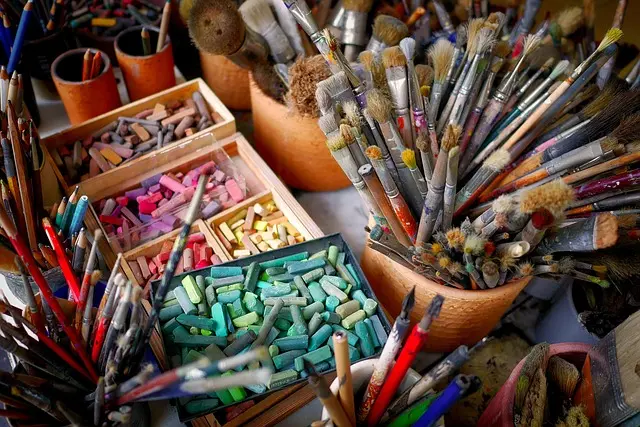
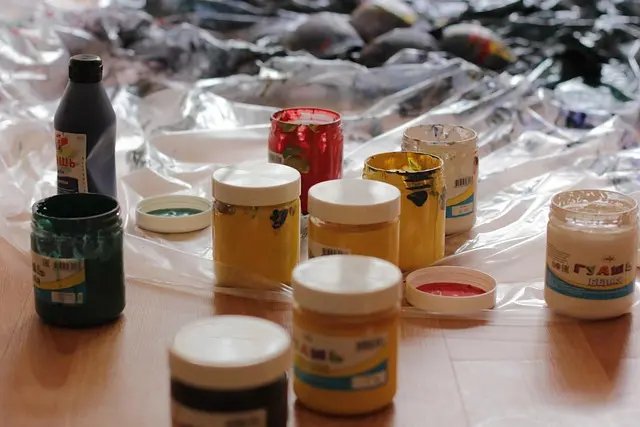
Experimentation is crucial in your journey to discover your artistic style. Different mediums—be it acrylics, watercolors, digital art, or charcoal—each offer unique possibilities and challenges. Start with a few different mediums and see which ones you connect with most closely. This exploration allows you to discover what feels most natural and enjoyable for you.
For instance, if you find joy in the fluidity of watercolors but struggle with the precision of oils, focus more on watercolors for your artistic development. Embrace the idea that not every experiment will lead to a masterpiece; learning often comes from the mistakes we make along the way. This is a key aspect of the artistic process. Make sure to keep a visual record of your experiments, which can help identify patterns in your preferences and strengths.
Step 3: Create a Personal Project
Once you have a foundational understanding of art and have experimented with various mediums, initiate a personal art project. This project should reflect themes, subjects, or styles that resonate deeply with you. Personal projects serve not only as a platform for experimentation but also encourage you to push your creative boundaries.
For example, try creating a series of paintings that explore different emotions, using the same color palette but varying styles for each piece. This method is particularly effective in not only refining your skills but also discovering what truly speaks to you as an artist. Personal projects can be shared online or in local galleries, providing valuable feedback from peers and the wider community.
Step 4: Seek Inspiration from the World Around You
Inspiration can be found everywhere—from nature, urban environments, to everyday interactions. Take regular walks, visit galleries, and immerse yourself in cultural activities. Drawing inspiration from the world around boosts creativity and fosters new ideas that can influence your artistic style.
Platforms like Pinterest or Instagram are excellent resources for discovering diverse styles and approaches from artists worldwide. Moreover, consider keeping an inspiration board where you can gather images, quotes, or pieces of art that resonate with you. This visual reference will assist in clarifying where your interests lie, aiding you in your journey of self-discovery.
Step 5: Develop a Consistent Practice
To truly discover your artistic style, consistency is key. Set aside time each week to create, regardless of whether you feel inspired. Building a regular practice allows you to develop your skills and discover your preferences over time. Set realistic goals, such as completing one piece a week or dedicating an hour a day to draw or paint.
During this time, reflect on your creations. What themes are consistent? Which colors and styles do you gravitate to most? By maintaining a consistent practice, not only will you sharpen your skills, but you will also witness your style evolve organically.
Tips for Sustaining Your Artistic Journey
- Join an Art Community: Engage with other artists through online forums or local art clubs.
- Accept Constructive Criticism: Feedback is essential in growth. Be open-minded in receiving critiques from others.
- Document Your Progress: Maintaining a visual diary provides insight into the evolution of your style.

📺 For further exploration:
Watch “How to Find Your Unique Artistic Style” on YouTube for an in-depth visual guide into artistic exploration. Search for topics like
Recommended products
Selected by our experts