Table of Contents (12 sections)
Art is a profoundly personal and expressive experience. Whether you’re a budding artist or looking to enhance your existing skills, developing your artistic skills is essential for self-expression and personal growth. In this guide, we will outline effective steps to refine your abilities, ensuring you embark on a rewarding journey. Let’s dive into the essential steps to develop your artistic skills effectively.
1. Define Your Artistic Goals
Before starting your artistic journey, it’s crucial to define your goals. What do you want to achieve as an artist? Setting specific, measurable, achievable, relevant, and time-bound (SMART) goals can help you stay focused. For example, if you're aiming to improve your painting skills, you might set a goal to complete one new painting every month. This gives you both a schedule and a monitor for your progress.
Pro Tip: Create a vision board with examples of artwork that inspires you and represents your goals. This visual reminder can help keep you motivated.
Common Pitfall: Avoid vague goals like "I want to be a better artist." Instead, specify how and in what medium you want to improve.
2. Invest in Quality Materials
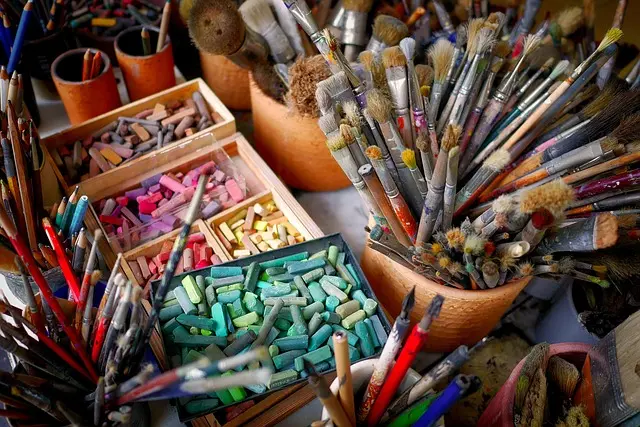
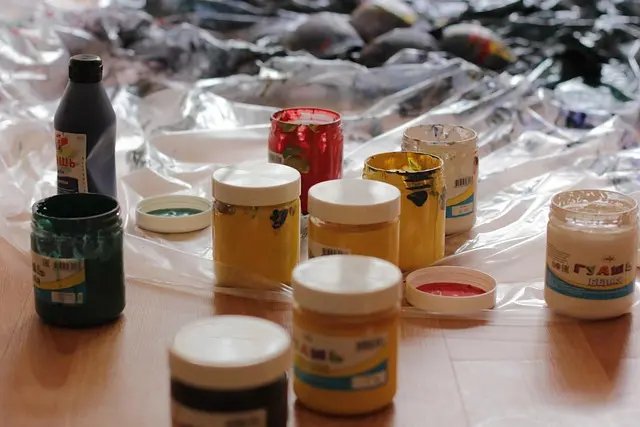
The tools and materials you use can greatly impact your artistic development. Investing in quality supplies—such as paints, brushes, sketchbooks, and canvases—will not only enhance your artwork but also give you confidence in your craft.
For example, artists often find that using high-quality watercolor paints results in richer colors and smoother textures compared to cheaper brands.
Checklist of Basic Supplies:
- Fine-tipped brushes
- Professional-grade paints (oil, acrylic, or watercolor)
- Good quality sketchbook or canvas board
- Palette for mixing colors
Warning: It’s tempting to go for budget options, but low-quality materials can hinder your learning and satisfaction.
3. Build a Regular Practice Habit
Consistency is key in art. Just like learning a new instrument, the more you practice, the better you become. Set aside dedicated time each week to work on your art, treating it as an essential appointment.
Many successful artists recommend starting with short sessions of 30 minutes a day and gradually increasing the time as you get more comfortable. If you’re struggling with motivation, try free art challenges online that provide daily prompts.
Pro Tip: Try to sketch or paint daily, even if it’s just a quick 15-minute endeavor. Every little bit contributes to your growth.
4. Learn the Basics
Before diving deep into creating complex pieces, make sure to grasp the fundamental concepts of art. This includes:
- Understanding color theory
- Mastering perspective
- Experimenting with composition
Many artists benefit from taking introductory classes, either online or in-person. Websites like Skillshare or platforms like YouTube offer innumerable free tutorials. Consider focusing on one basic skill at a time before moving onto the next to avoid feeling overwhelmed.
Warning: Skipping the basics can lead to frustrating results down the line, as the core concepts are fundamental to all artistic practices.
5. Seek Constructive Feedback
Engaging with a community can significantly boost your skill development. Consider joining local art groups or online forums to share your work and receive constructive criticism. Keep in mind that feedback is not just about criticism; it's an opportunity for growth.
Every artist faces criticism, and handling it properly is vital. Constructive feedback should push you to rethink aspects of your work, even if it's challenging to hear.
Pro Tip: When receiving feedback, ask specific questions, such as “What do you think about my use of color?” to guide the discussion.
6. Study the Masters
Studying the works of renowned artists can provide invaluable insights into different techniques and styles. Spend time analyzing their work: how they use color, composition, foreground versus background, and the emotions their pieces evoke.
Visiting museums, galleries, or even online exhibits can inspire you and deepen your appreciation for artistic processes. You might discover a technique that resonates with you, and trying to replicate it can be an extraordinary learning exercise.
Pro Tip: Consider participating in a “copying” exercise, where you try to replicate a favorite artwork. This isn’t about imitation but understanding the techniques used.
7. Embrace Failure and Iterate
Art is a process that often involves failure. Many professionals speak of countless rejections or pieces they cringe at later. Embrace the idea that your journey involves trials and errors. Use failed pieces as learning opportunities rather than setbacks.
Maintaining a sketchbook where you can freely express ideas without fear of judgment can lessen the pressure and help you understand your style better.
Warning: Avoid being overly critical of your work. It’s crucial to remember that growth takes time, and we all started somewhere.
8. Keep a Portfolio of Work
Organizing your completed artworks into a portfolio not only tracks your progress but also enhances your professionalism if you ever choose to showcase your work or apply for art-related opportunities. Include a variety of works that demonstrate your full range of skills and styles.
Regularly updating your portfolio is essential. You can gather feedback from peers or mentors by sharing your collection.
Pro Tip: Keep a digital version of your portfolio for easier access and sharing, as well as for online opportunities or social media.
📺 Ressource Vidéo
> For additional instruction on developing your artistic skills,
> search on YouTube: "how to develop your artistic skills effectively."
Checklist for Developing Your Artistic Skills
- [ ] Define clear artistic goals
- [ ] Invest in quality materials
- [ ] Build a consistent practice schedule
- [ ] Learn fundamental concepts
- [ ] Seek feedback from peers
- [ ] Study notable artists
- [ ] Embrace failures and iterate
- [ ] Maintain a portfolio of your work
Glossaire
| Terme | Définition |
|---|---|
| Color Theory | Study of how colors interact and the effects they have on each other. |
| Composition | The arrangement of visual elements within a piece of art. |
| Perspective | Technique used to represent three-dimensional objects on a two-dimensional surface. |
> 🧠 Quiz rapide: What is essential to develop your artistic skills?
> - A) Practicing sporadically
> - B) Regular innovation
> - C) Following constructive feedback
> Réponse : C — Constructive feedback fosters improvement and refinement in artistic skills.
📺 Pour aller plus loin : how to develop your artistic skills effectively sur YouTube