Table of Contents (12 sections)
Cultivating a unique artistic style is a journey that every artist embarks on to express their individuality. This process not only helps in creating distinctive works of art but also in building a personal brand in the artistic community. Understanding how to navigate this creative journey is essential for any aspiring artist. In this guide, we will explore practical steps you can take to cultivate your unique artistic style, providing you with insights and strategies to express your creativity fully.
Step 1: Understand Your Artistic Influences
Before you can cultivate your unique artistic style, it is crucial to understand the influences that shape your artistic perspective. Take time to explore various art movements, styles, and artists. Do you resonate more with impressionism, abstract, or realism? Consider visiting galleries, attending exhibitions, or exploring art history online.
Practical Tips:
- Create a mood board with artworks that inspire you.
- Keep a journal where you jot down your thoughts on different styles you encounter.
Common Pitfalls: Avoid the tendency to copy the styles of your favorite artists too closely. While inspiration is important, it is essential to adapt those influences into something uniquely yours.
Step 2: Experiment with Different Mediums
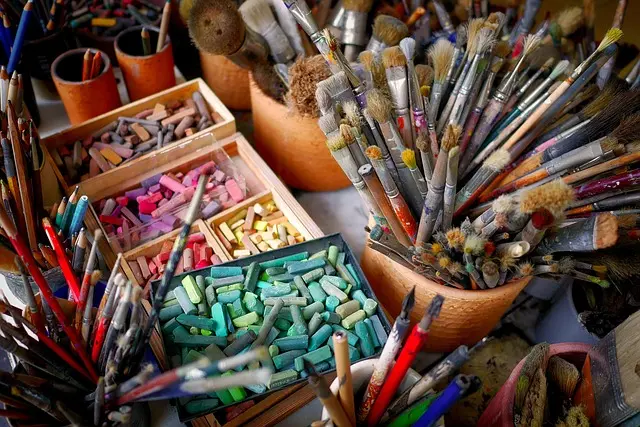
Exploring a variety of mediums can greatly influence your artistic style. Whether it's painting, digital art, sculpture, or mixed media, engaging with multiple forms of art allows you to discover what resonates with you. Experimenting helps in understanding the versatility and limitations of each medium.
Action Steps:
- Dedicate time each week to experimenting with a different medium.
- Attend workshops or classes focused on new techniques and materials.
Expert Insight: According to reports from The Art Institute, artists who regularly experiment with different mediums find a richer artistic voice and enhance their creativity.
Step 3: Develop a Regular Practice
Cultivating your unique artistic style requires diligent practice. Set aside dedicated time each week to create art. Whether it’s sketching daily or completing a painting once a month, consistency is key.
Checklist for Your Routine:
- [ ] Set specific times for your art practice each week.
- [ ] Keep your workspace organized and inspiring.
- [ ] Track your progress over time, noting changes in style.
Avoid: Rushing your work. Allow yourself the freedom to explore without the pressure of perfection.
Step 4: Analyze and Refine Your Work
Take the time to critique your own work consciously. Analyze it for recurring themes, color palettes, and techniques. Look for patterns that emerge over time, and ask yourself what you love about these consistent elements. Refining your style means not just recognizing what you do but understanding why you do it.
Self-Reflection Questions:
- What themes do I feel passionately about?
- Which pieces resonate the most with my audience?
Step 5: Seek Feedback from Peers
Engaging with a community of artists can provide invaluable insights. Share your work with fellow artists, participate in critiques, and be open to constructive feedback. This engagement can help you see your work from another perspective and might spark innovative ideas for your artistic style.
How to Engage:
- Join local art groups or online communities.
- Attend open studio events or art fairs to meet other artists.
Caution: While feedback is beneficial, remember that your style should resonate with you first and foremost. Don’t feel obligated to change based on every piece of feedback you receive.
Step 6: Document Your Artistic Journey
Start documenting your artistic journey through photography or a blog. This way, you’ll visually see how your style evolves over time and can reflect on your artistic growth. Documentation can serve as a motivational tool and help you identify successful elements of your evolving style.
Suggestions for Documentation:
- Take photos of your art process at different stages.
- Write blog posts reflecting on each completed work and the inspirations behind it.
📺 Resource Video
> 📺 For further exploration: How to Develop Your Artistic Style, a comprehensive dive into the journey of finding your unique voice in art. Search on YouTube: "cultivating unique artistic style."
Step 7: Create a Signature Style
Eventually, the goal is to unify the elements you love into a signature style. This may take time, but as you explore and experiment, your individual touch will start to emerge. Think about how you can combine what you have learned into cohesive artworks that truly represent you.
End Goals:
- Your signature style should feel natural and be something you can replicate.
- Aim to evoke emotion and connection with your audience through your unique expression.
Conclusion
Cultivating a unique artistic style is an evolving process that demands dedication, experimentation, and self-reflection. The steps outlined here serve as a framework to guide you through your creative journey. Remember to celebrate your growth and embrace the uniqueness of your artistic voice.
Checklist before your artistic journey
- [ ] Identify your artistic influences.
- [ ] Experiment with at least three different mediums.
- [ ] Create a consistent practice schedule.
- [ ] Analyze and critique your own work regularly.
- [ ] Seek feedback from fellow artists.
- [ ] Document your artistic progress.
- [ ] Aim to develop your signature style.
Glossary
| Term | Definition |
|---|---|
| Artistic Style | A distinctive manner of expressing one's feelings, ideas, and techniques in art. |
| Medium | The materials or techniques used to create an artwork, such as paint, clay, or digital tools. |
| Self-Critique | The process of evaluating one's own work to recognize strengths and areas for improvement. |
---
📺 Pour aller plus loin : how to cultivate unique artistic style sur YouTube