Table of Contents (9 sections)
Whether you're a budding artist or someone looking to refine your artistic abilities, cultivating your skills is essential for growth and self-expression. In this guide, we will explore systematic steps you can take to improve your artistry, ensuring a rich and engaging experience throughout your journey.
1. Start with the Fundamentals
Understanding the Basics: To cultivate artistic skills, it’s crucial to grasp fundamental techniques such as drawing, color theory, and composition. Many artists get lost in the complexity of advanced techniques without mastering the basics. Investing time in foundational skills can vastly improve your overall output.
Practice Drawing Everyday: Setting aside as little as 15 minutes daily for sketching can make a significant difference. Drawing basic shapes, life sketches, or even landscapes helps to enhance your observation skills. Dedicating consistent time, even in small increments, can dramatically improve your artistic capabilities over time. For instance, you might decide to create a sketch of an everyday object and focus on replicating its proportions and shadows accurately.
Watch Tutorials: Resources are abundant online. For instance, platforms like YouTube have countless tutorials that cover everything from pencil techniques to digital art skills. Make a list of tutorials that align with your interests and set a goal to complete a few each week.
💡 Expert Tip: Always keep a sketchbook handy. Document your progress and jot down ideas quickly when inspiration strikes.
2. Set Clear Goals for Improvement
Establishing SMART Goals: Specific, Measurable, Achievable, Relevant, and Time-bound (SMART) goals help to keep artists accountable. For example, you might set a goal to complete one painting each month or to explore a new medium (like watercolors or digital art) every quarter.
Track Progress: Use a journal or digital platform to track your improvements, noting down what challenges you faced and how you overcame them. Reflecting on your journey can highlight your growth and motivate you to keep going despite setbacks.
Create a Vision Board: To visualize your aspirations, consider creating a vision board. Include images, quotes, and artworks that inspire you and represent where you want your artistry to go. This not only serves as motivation but can also guide your choices in subject matter and style.
3. Embrace Critique and Feedback
Seek Constructive Criticism: Sharing your work with peers or mentors enables you to receive valuable feedback. Engage in online art communities or local workshops to solicit opinions about your work. A common mistake is taking critique personally; instead, view feedback as an opportunity to grow.
Join an Art Group: Working alongside fellow artists fosters an environment of learning. Groups provide a safe space to present your work, receive constructive criticism, and gain insights into different techniques and styles.
Don’t Shy Away from Art Shows: Participating in or attending local art shows can be an eye-opener. You’ll see a wide array of styles and approaches, helping you to refine your taste and artistic sensibility. Even submitting your work for evaluation can yield multifaceted insights based on diverse perspectives.
4. Experiment with Different Mediums
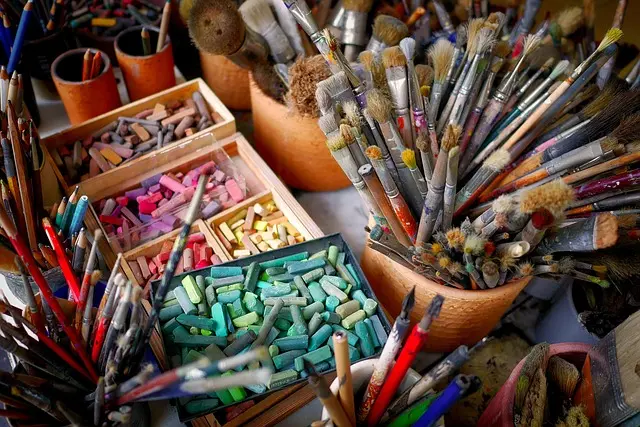
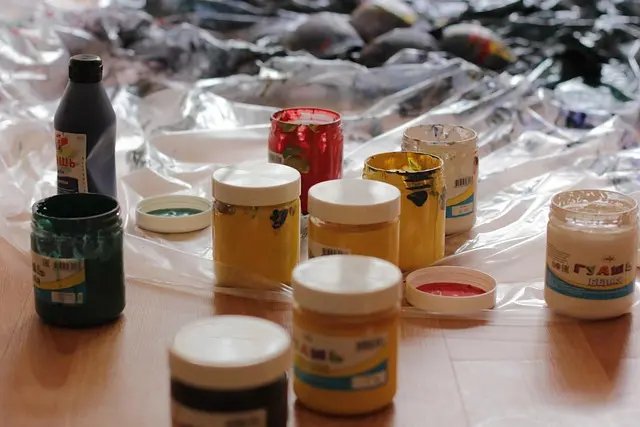
Explore Versatility: Trying various mediums can reveal hidden talents and preferences. Whether it's oil painting, acrylic, watercolor, charcoal, or digital art, experimentation can enhance skills significantly. For instance, if you usually work with oils, trying acrylics can teach you about quick drying times and layering techniques.
Work on Themed Projects: Choose a theme and challenge yourself to create several works around it using different mediums. This approach not only helps you enhance your skills in various forms but can also strengthen your overall artistic voice.
Keep It Fun: One of the most significant pitfalls is making the art feel like a chore. Allow yourself time to create for pleasure, and don’t stress over perfection. Enjoy the creative process and let it unfold naturally.
5. Develop a Routine and Create a Dedicated Space
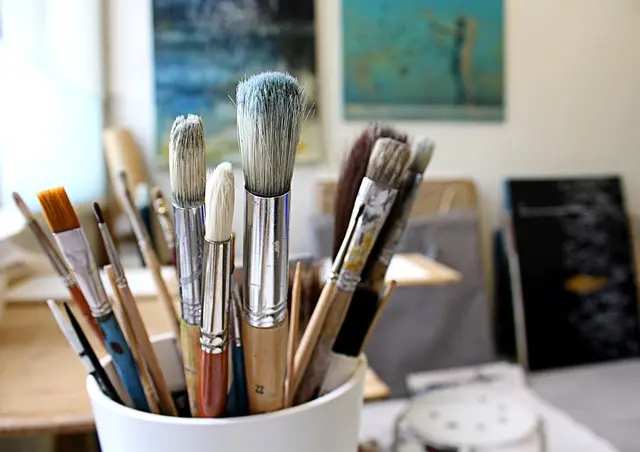
Establishing a Workspace: A designated area for creation helps set the mood and mindset necessary for creativity. Ensure it’s well-lit, organized, and stocked with the materials you frequently use. Whether it’s a corner of your room or a full studio, make it your artistic haven.
Create a Consistent Schedule: Just like any skill, regular practice is vital. Whether you choose the early morning or late evening, carve out specific times for your practice sessions. Consistency builds discipline and enhances success.
Balance Structure and Flexibility: While having a routine is essential, allow flexibility in your practice. This ensures you still explore spontaneous creative impulses which can lead to rewarding discoveries.
📺 Resource Video
> 📺 For further exploration: Understanding different art mediums, a comprehensive guide to mastering your preferred techniques. Search on YouTube for: "different art mediums tutorial 2026".
Checklist for Cultivating Artistic Skills
- [ ] Identify and master fundamental techniques.
- [ ] Set SMART goals for your artistic journey.
- [ ] Broaden your network to obtain constructive feedback.
- [ ] Experiment with at least three new mediums this year.
- [ ] Dedicate and personalize your workspace for creativity.
Glossary
| Term | Definition |
|---|---|
| Artistic Medium | A material used by an artist to create their works, such as acrylic, oil, or digital tools. |
| Critique | A careful analysis and evaluation of a work of art, highlighting strengths and areas for improvement. |
| Vision Board | A collage of images, text, and affirmations representing your goals and aspirations in art. |
> 🧠 Quick Quiz: What is the most important aspect of improving your artistic skills?
> - A) Natural talent
> - B) Consistent practice
> - C) Expensive tools
> Answer: B — Consistent practice is key to skill development, while talent can enhance but is not the sole factor.
In conclusion, cultivating artistic skills requires dedication and strategic practice. Embrace each step of your journey, experiment wildly, and let your creativity flourish. Whether you're drawing, painting, or exploring digital art, remember that consistency and openness to feedback are your allies in growth. Ready to take your artistry to the next level? Let's begin this journey and make art that speaks volumes!
📺 Pour aller plus loin : different art mediums tutorial 2026 sur YouTube