Table of Contents (10 sections)
Becoming an artist is a journey filled with creativity, self-expression, and the pursuit of passion. In a world where visual representation reigns supreme, the need for artists is ever-growing. Whether you're drawn to painting, drawing, sculpting, or digital design, understanding how to embark on this path is essential. In this guide, we will cover the fundamental steps to help you become an artist, explore the challenges you may face, and provide practical tips to make your artistic dreams a reality.
1. Explore Different Art Forms
Before committing to an art style, it's essential to explore various artistic mediums. Each form offers unique opportunities for self-expression and creative exploration. For instance, painting, drawing, photography, illustration, sculpture, and digital art each require different skills and techniques.
Consider taking beginner classes in each medium to gain hands-on experience. Research online tutorials, or enroll in workshops offered in your community. This exploration stage is crucial to finding what resonates with you. A study conducted by The Creative Industries Federation indicates that individuals who explore multiple art forms tend to develop a richer understanding of their preferences and strengths.
Aim to dedicate time weekly to experimenting with different mediums. This could be as simple as sketching in a notebook, enrolling in a pottery class, or exploring Photoshop for digital art. Remember, the goal here is to enjoy the process of creation and not to limit yourself to one genre too soon.
2. Establish a Routine
To become an artist, discipline is key. Establishing a regular routine helps foster creativity and builds your skills over time. Designate specific hours each day dedicated solely to your art practice. Whether it’s 30 minutes or several hours, consistency is more critical than duration.
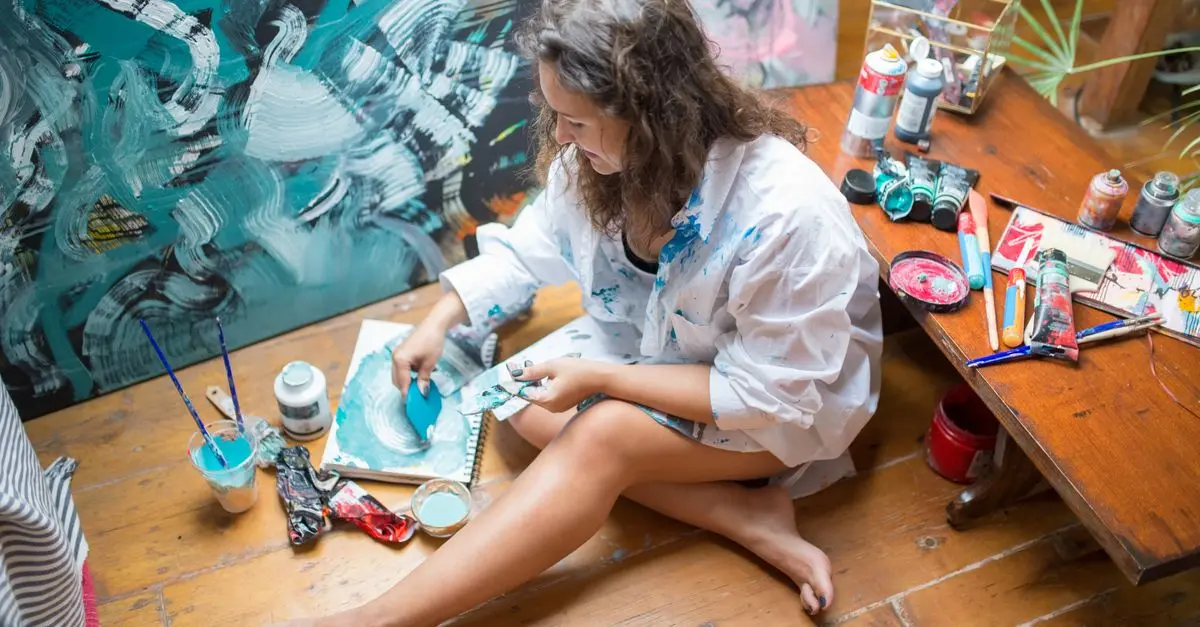
Start by creating a comfortable workspace that encourages creativity. Ensure that you have all the necessary supplies handy, whether it’s paints, brushes, canvases, or drawing pads.
Pro Tip: Set small, achievable goals for each session. This could include finishing a sketch, painting a small piece, or learning a new technique. Regular practice not only hones your skills but also helps you to stay motivated and track your progress.
Mistakes are a part of learning, so don’t be afraid to experiment and create ‘bad’ art. This approach promotes a growth mindset, crucial for any aspiring artist.


boohoo Femmes Plus Woven Floral Ruched Midi Dress Becomes "robe Midi a Fleurs Tissees et Froncee Plus"
Boohoo.com FR
3. Learn from Others
One of the most beneficial ways to grow as an artist is to learn from others. This can be through formal education, online courses, or informal setups like community art groups.
Consider attending local art shows and galleries where you can meet fellow artists. Dialogue with peers can inspire new ideas and techniques that you can integrate into your practice.
In 2025, Art Basel reported that mentorship positively impacts artistic growth—artists with mentors often advance their careers more rapidly than those without. Seek out mentors in your area or online platforms such as social media or art forums to gain insights and constructive criticism.
Stay open to feedback and utilize it as a tool for improvement. Remember, every successful artist was once a beginner, and learning is an ongoing process.
4. Build Your Artistic Identity
As you continue to grow in your artistic journey, it’s essential to establish your unique voice and vision. Your artistic identity will stem from your influences, experiences, and what you wish to express through your work.
Analyze what inspires you—this could be nature, emotions, social issues, etc. Document these inspirations and reflect on how they can manifest in your art.
Engage with your audience by sharing your work on social media and soliciting feedback. Platforms like Instagram have transformed how artists promote their work, enabling many to build a following and even sell pieces online.
It’s crucial to remain authentic and allow your artistic voice to evolve over time. Authenticity resonates with audiences, setting you apart in a saturated market.
5. Diversify Your Skill Set
As you become more established in a particular art form, consider diversifying your skills. Adding skills such as graphic design, animation, or digital illustration can significantly expand your marketability and options.
Online resources like Skillshare or Udemy offer courses for artists looking to learn new technologies. For example, understanding how to use graphic design software can open up many new avenues, including digital marketing, branding, and web design.
Moreover, knowing how to promote yourself through social media, networking, and relevant software tools can also enhance your career opportunities. This multidisciplinary approach can make you a more complex artist and expand your horizons in ways you never imagined.
6. Set Goals and Track Your Progress
Lastly, setting clear, attainable goals is essential in your journey to becoming an artist. Goals provide direction and keep you motivated. These could include creating a certain number of artworks per month, applying to exhibitions, or creating an online portfolio.
To effectively track your progress, maintain an art journal. Document your daily or weekly activities, reflecting on what you've learned and how you can improve.
• Short-term goals: Complete a certain project by the end of the month
• Medium-term goals: Begin a series of artwork by the end of the year
• Long-term goals: Organize your first exhibition or launch a personal website
Tracking your progress allows you to celebrate your achievements and identify areas for improvement, keeping you on track.
boohoo Femmes Plus Woven Floral Ruched Midi Dress Becomes "robe Midi a Fleurs Tissees et Froncee Plus"
Boohoo.com FR
boohoo Femmes Plus Woven Floral Ruched Midi Dress Becomes "robe Midi a Fleurs Tissees et Froncee Plus"
Boohoo.com FR
Checklist
- [ ] Explore different artistic mediums
- [ ] Establish a regular art practice routine
- [ ] Seek guidance from mentors and peers
- [ ] Reflect on and share your artistic identity
- [ ] Expand your skill set beyond your primary focus
- [ ] Set actionable goals and monitor your progress
Glossary
| Term | Definition |
|---|---|
| Artistic Medium | A category of materials used to create art (e.g., oil paint, digital software). |
| Artistic Identity | The unique expression or style that defines an artist’s work. |
| Networking | Establishing mutually beneficial relationships in the art community. |
📺 For further exploration:
Consider watching videos like *
Recommended products
Selected by our experts
boohoo Femmes Plus Woven Floral Ruched Midi Dress Becomes "robe Midi a Fleurs Tissees et Froncee Plus"
Boohoo.com FR
boohoo Femmes Plus Woven Floral Ruched Midi Dress Becomes "robe Midi a Fleurs Tissees et Froncee Plus"
Boohoo.com FR
boohoo Femmes Plus Woven Floral Ruched Midi Dress Becomes "robe Midi a Fleurs Tissees et Froncee Plus"
Boohoo.com FR