Table of Contents (13 sections)
Establishing an art practice is crucial for anyone aspiring to become an artist. It provides structure, cultivates creativity, and enhances skill development. Whether you are interested in painting, sculpture, photography, or any other form of art, creating a routine and a supportive environment can drastically improve your output and enjoyment. In this guide, we will walk through essential steps for anyone looking to start their artistic journey.
Step 1: Identify Your Artistic Goals
Before diving into your art practice, it's essential to identify what you aim to achieve. Are you looking to improve your skills, explore new mediums, or complete specific projects? Setting clear, attainable goals will help guide your practice and keep you motivated. For instance, if your goal is to improve your painting technique, you might set a target to complete a certain number of paintings each month. This strategy not only provides direction but allows you to track progress. Remember to make adjustments to your goals over time as you grow and evolve as an artist.
Step 2: Create a Dedicated Art Space
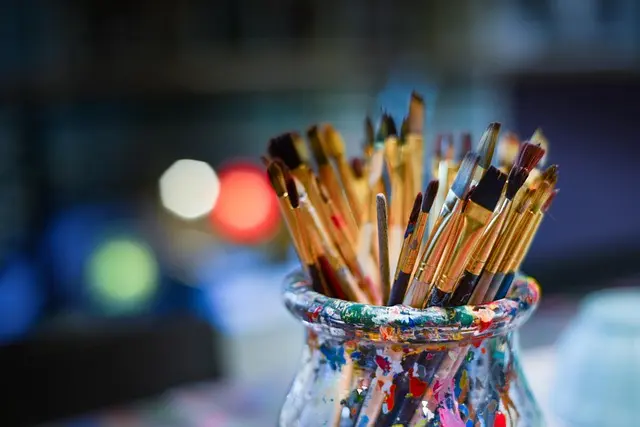
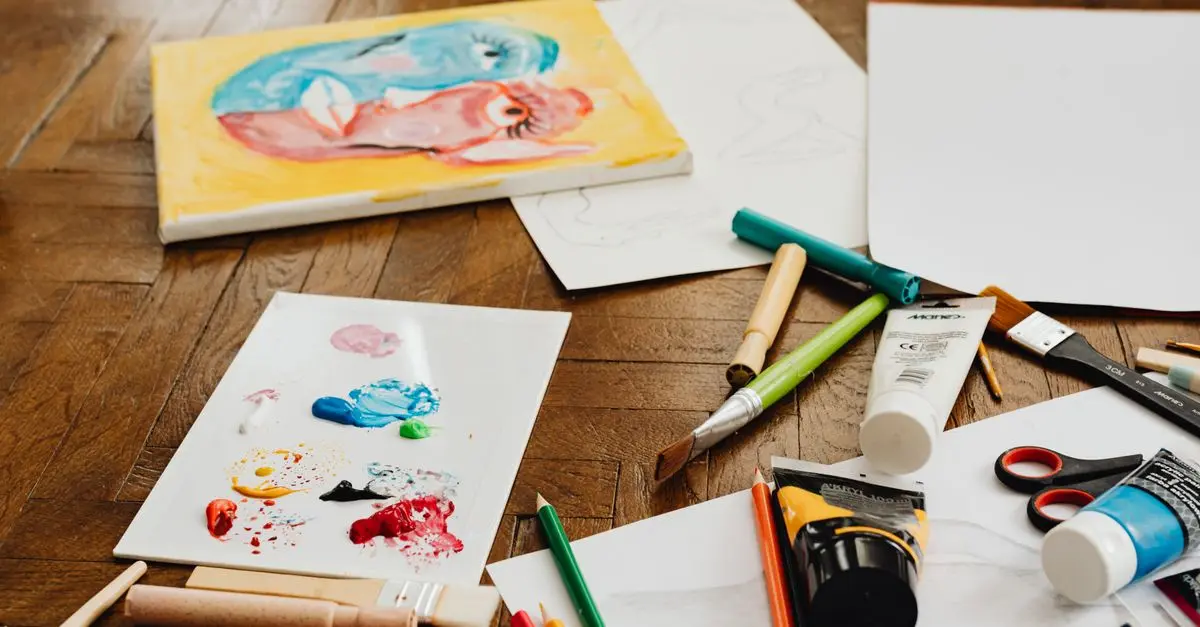
Your environment significantly impacts creativity. Establishing a dedicated workspace is vital for cultivating a consistent art practice. This space should be comfortable, well-lit, and free of distractions. Ensure it’s stocked with necessary materials, such as brushes, paint, canvases, or digital tools if you are working digitally. According to studies, a consistent workspace fosters a creative mindset, reducing the time it takes to get “in the zone.” If you can't dedicate an entire room, consider creating a small corner where you have all your supplies at hand.


The Metropolitan Museum of Art Chroma: Sculpture in Color from Antiquity to Today
store.metmuseum.org

The Metropolitan Museum of Art European Cameo Charm Necklace and Drop Earrings Set
store.metmuseum.org
Step 3: Develop a Routine
Creating a routine is essential for consistency in your art practice. Set aside specific times during the week reserved solely for creating art. Experts recommend starting with small, manageable time slots—perhaps 30 minutes to an hour a few times a week. According to research published in The Journal of Creative Behavior, artists who maintain a consistent schedule tend to produce higher-quality work over time. As you become more comfortable, gradually increase your time commitment to fully immerse yourself in the creative process.
Step 4: Explore Different Mediums
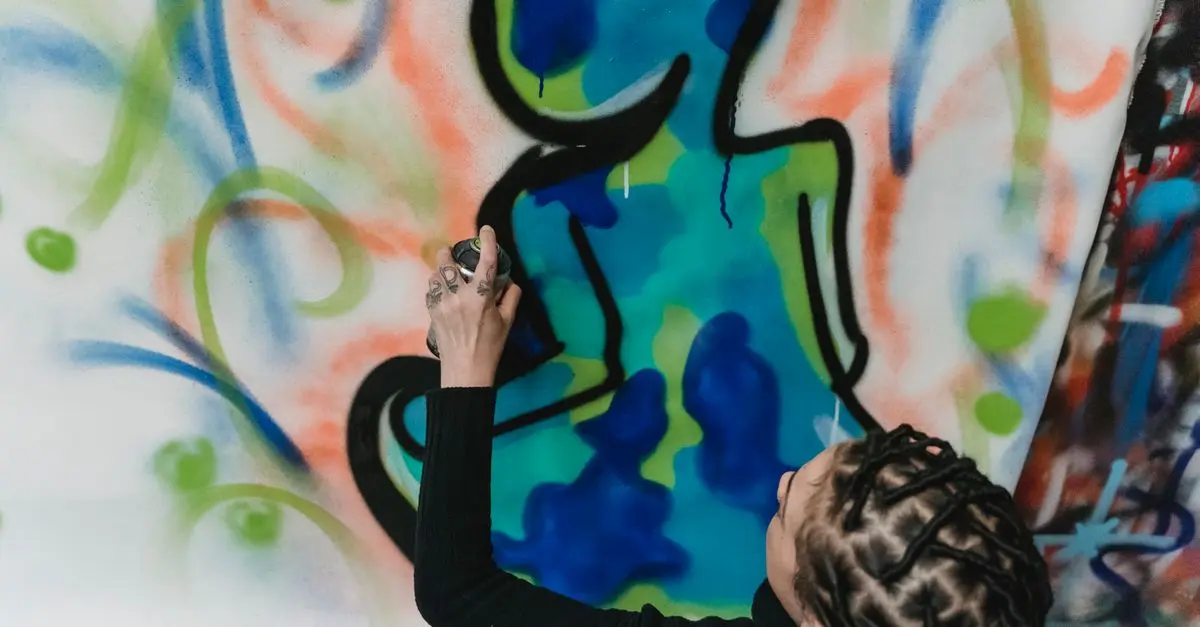
Once you have established a routine, consider exploring various artistic mediums. Experimentation is key to discovering what resonates with you. For example, if you're primarily a painter, try your hand at collage or printmaking. Engaging with different techniques and materials can ignite your creativity and inspire new ideas. Furthermore, it can help you avoid creative blocks by providing fresh perspectives on your work.
Step 5: Join a Community
Connecting with other artists can be incredibly beneficial for your art practice. Participating in local art groups, classes, or online forums offers opportunities to receive feedback, learn from others, and find inspiration. According to the National Endowment for the Arts, engaging in artistic communities enhances the overall quality of art produced and encourages collaborative creativity. Don't be afraid to share your work and seek constructive criticism, as this can accelerate your growth as an artist.
Step 6: Set Up a Feedback Mechanism
Regularly seek feedback from peers, mentors, or online groups to evaluate your work. Establish a routine for self-reflection on your creations by keeping a journal where you record your thoughts about the processes, challenges, and achievements during your practice. Feedback can guide you toward improvements and help clarify your artistic voice. Remember that art is subjective; embrace the constructive input and learn from it.


The Metropolitan Museum of Art British Valentine Vermeil Locket
store.metmuseum.org

Step 7: Keep Learning
The world of art is vast, and there is always something new to learn. Take advantage of online courses, workshops, and tutorials. According to a study by the Art Institute of Chicago, lifelong learning is crucial in maintaining artistic innovation and skill enhancement. You don't have to enroll in expensive classes; many free and low-cost resources are available online. Learning new techniques and styles can enrich your practice and prevent stagnation.
Step 8: Embrace Mistakes as Learning Opportunities
Lastly, don't be afraid of making mistakes. Each error can teach you valuable lessons about your techniques, preferences, and style. This mindset is crucial for encouraging risk-taking and creativity. Remember, every artist faces setbacks; the key is to see them as stepping stones rather than barriers. Embrace the process!
Checklist of Essential Steps
- [ ] Identify your artistic goals
- [ ] Create a dedicated art space
- [ ] Develop a routine for art practice
- [ ] Explore different artistic mediums
- [ ] Join an artist community for support
- [ ] Set up a feedback mechanism
- [ ] Keep learning through courses and resources
- [ ] Embrace mistakes as opportunities
📺 Resource Video
To dive deeper into the subject, check out [How to Establish a Consistent Art Practice], a detailed analysis of creating an effective art routine. Search on YouTube: how to develop an art practice.
Glossary
| Term | Definition |
|---|---|
| Art Practice | The routine and methods an artist uses to create art. |
| Creative Block | A condition where an artist is unable to produce new work or ideas. |
| Medium | The material or technique used by an artist to create a work of art. |
> 💡 Expert Opinion: Regularly engaging with your art not only improves your skills but can also lead to a deeper understanding of your artistic identity.
Quiz rapide
> 🧠 Quick Quiz: What is the most important aspect of establishing an art practice?
> - A) Creating a dedicated space
> - B) Joining a community
> - C) Identifying artistic goals
> Answer: C — Identifying artistic goals sets the foundation for your practice.
📺 Pour aller plus loin : how to develop an art practice sur YouTube
Recommended products
Selected by our experts

tasc : Sculptive Practice Set- Black - Size XL in XL - tasc Performance
tascperformance.com
tasc : Sculptive Practice Set- Black - Size XL in L - tasc Performance
tascperformance.com
tasc : Sculptive Practice Set- Black - Size S in XL - tasc Performance
tascperformance.com