Table of Contents (16 sections)
Becoming an artist is a journey filled with exploration, self-expression, and creativity. However, to stand out in today's competitive landscape, emerging artists must hone specific skills that enhance their artistic abilities. In this article, we’ll explore essential skills for emerging artists, helping you navigate your artistic path effectively.
1. Mastering the Basics of Art
Understanding the fundamentals of art is crucial for every emerging artist. This includes learning about color theory, composition, and perspective. Mastery of these basic concepts enables you to create paintings, drawings, or digital art that effectively conveys your message. For instance, a strong grasp of color theory allows you to utilize color schemes that evoke specific emotions, significantly affecting the viewer's perception of your artwork.
2. Developing Technical Skills
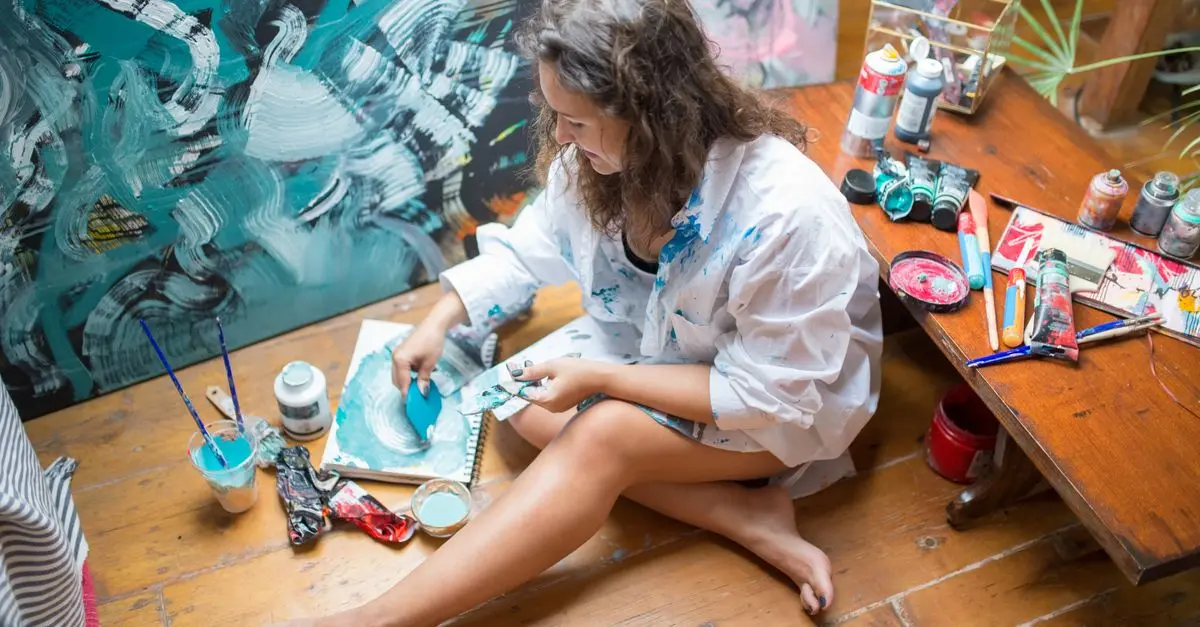
Technical skills are the backbone of any artistic endeavor. Whether through traditional mediums like painting and sculpture or digital platforms such as graphic design, developing these skills involves practice and patience. Set aside time daily to experiment with different materials and techniques. According to recent surveys, artists who dedicate at least an hour each day to practice show notable improvement in their skills compared to those who practice less frequently.

3. Cultivating Creativity
Creativity is often seen as an innate talent, but it can be cultivated and enhanced. Brainstorming sessions, daily journaling, or engaging in activities outside your usual artistic practice can spark new ideas and perspectives. Engaging in diverse experiences, such as travel or reading widely, expands your mind and fosters creativity. Remember, some of the most renowned artists drew inspiration from their surroundings and experiences.
4. Strengthening Artistic Voice
Your unique artistic voice sets you apart from other artists. This voice influences how you express your ideas and feelings through your art. To develop this voice, experiment with different styles, techniques, and mediums to discover what resonates with you personally. Working on projects that reflect your interests and values will help you establish an authentic artistic identity.
5. Networking and Collaboration
Building a network is critical for emerging artists. Engaging with fellow artists, attending workshops, or joining art communities can open doors to collaborations and opportunities that you might not find otherwise. Besides, collaborating with other artists allows you to learn new techniques and share ideas, enriching your own creative approach.
6. Understanding Art Marketing
In today's digital age, knowing how to market your art is as important as creating it. Familiarize yourself with social media platforms and online galleries that can showcase your work. Additionally, understanding concepts like branding and audience engagement can greatly enhance your exposure. Artists who actively market their work online witness increased sales and greater visibility.
Comparison of Traditional vs. Digital Skills
| Skill Type | Traditional Art Skills | Digital Art Skills | Verdict |
|---|---|---|---|
| Medium Knowledge | Fundamental understanding of paints | Proficiency in software | Both are essential |
| Technique Development | Mastery in brushwork and shading | Familiarity with digital tools | Focus on both for versatility |
| Creative Process | Hands-on exploration and tactile | Design thinking and agility | Both develop uniqueness |
| Exposure | Local galleries and exhibitions | Online platforms and social media | Diversify channels for impact |
7. Building Resilience
The journey of an artist is often fraught with rejection and criticism. Building resilience is crucial. Techniques such as meditation, seeking constructive feedback, and maintaining a growth mindset can help you navigate challenges. Remember, even acclaimed artists faced criticism and used it to refine their work.
8. Learning from Critique
Critique can be an artist's best friend if approached positively. Gather feedback from peers and mentors, and use this constructively to improve your work. Engaging in critique sessions helps sharpen your eye for detail and enhances your artistic approach according to observed strengths and weaknesses.
9. Staying Updated with Trends
Art is constantly evolving. Keeping abreast of contemporary art trends, techniques, and technologies can give you an edge in the art scene. Subscribe to art magazines, attend exhibitions, or join online forums to stay informed. Understanding trends also allows you to position your work in the current market effectively.
10. Setting Goals
Setting clear, actionable goals is essential for tracking your progress as an emerging artist. Break your objectives down into short-term and long-term goals, whether it’s reducing the time it takes to complete a piece or exhibiting in a gallery. Goals not only help you focus but also motivate you as you see improvement over time.
Conclusion
Embarking on the journey of an emerging artist requires dedication to developing various skills. It’s about continuously improving your craft, fostering creativity, and effectively marketing your art to reach a wider audience. Stay connected with fellow artists and remember that every skill you acquire enriches your artistic journey.
Checklist for Emerging Artists
- [ ] Master the basics of art
- [ ] Develop technical skills
- [ ] Cultivate creativity
- [ ] Strengthen your unique voice
- [ ] Network and collaborate
- [ ] Understand art marketing
- [ ] Build resilience
- [ ] Learn from critique
- [ ] Stay updated with trends
- [ ] Set clear and actionable goals
🧠 Quick Quiz: What is the most important skill for emerging artists to develop?
- A) Technical skills
- B) Creativity
- C) Networking
Answer: B — Creativity enhances all other skills, making it crucial for artists.
📺 For more insights: [Unlocking Your Creative Potential], a complete analysis of how to spark your creativity. Search on YouTube for: "how to enhance creativity in art 2026".
Glossary
| Term | Definition |
|---|---|
| Artistic Voice | The unique expression and style that reflects an artist's identity. |
| Networking | The process of forming professional relationships for mutual benefit. |
| Creative Resilience | The ability to cope with setbacks and keep creating despite challenges. |
---
📺 Pour aller plus loin : 10 EASY WAYS to Improve Your Art In 2026 (beginner friendly) sur YouTube
Recommended products
Selected by our experts
40th Anniversary Celebration Album (Various Artists)
deepdiscount.com
This album features a range of artists and styles that can inspire emerging artists in their creative journey.