Table of Contents (13 sections)
Becoming an artist involves more than just natural talent; it requires a commitment to developing essential skills that contribute to your growth. Whether you're just beginning your journey or looking to refine your craft, mastering these skills can help you succeed.
1. Creative Thinking and Problem Solving
Creative thinking is fundamental for artists as it allows for innovation and expression. It involves viewing situations or challenges from new angles and discovering unique solutions across different art forms. According to a 2025 study by the Institute of Creative Learning, artists who actively engage in creative thinking exercises reported a 30% increase in their ability to generate innovative ideas.
To develop this skill:
- Engage in brainstorming sessions.
- Explore different artistic mediums.
- Collaborate with other artists to gain fresh perspectives.
2. Drawing Fundamentals
Drawing is often considered the backbone of most visual art forms. Mastering the basics of drawing — including the use of lines, shapes, and shading — is essential for translating creative ideas onto a canvas. A strong foundation in drawing enhances your observational skills and helps you communicate your visions more clearly.
Practicing regular sketching can lead to noticeable improvements. Set aside time daily to sketch objects or scenes around you. As UFC-Que Choisir suggests, maintaining a sketchbook can help track your progress and refine your style over time.
3. Color Theory
Understanding color theory is crucial for creating harmonious compositions. It includes knowledge of color wheel relationships, color mixing, and the emotional impacts of color choices on the viewer. Mastering color can enhance your paintings and drawings, making them more engaging.
To explore color theory, consider:
- Taking a dedicated course on color principles.
- Experimenting with different color palettes in your projects.
- Evaluating artwork from masters who effectively use color.
4. Composition Techniques
Effective composition can determine how the viewer experiences an artwork. It involves arranging elements in a piece to lead the eye and convey meaning. Familiarize yourself with compositional rules such as the rule of thirds, balance, and focal points.
Try analyzing famous artworks and early sketches to see how respected artists construct their compositions. As noted in the Art History Journal, well-composed works are often linked to a deeper emotional response from the audience.
5. Technical Skills with Tools and Materials
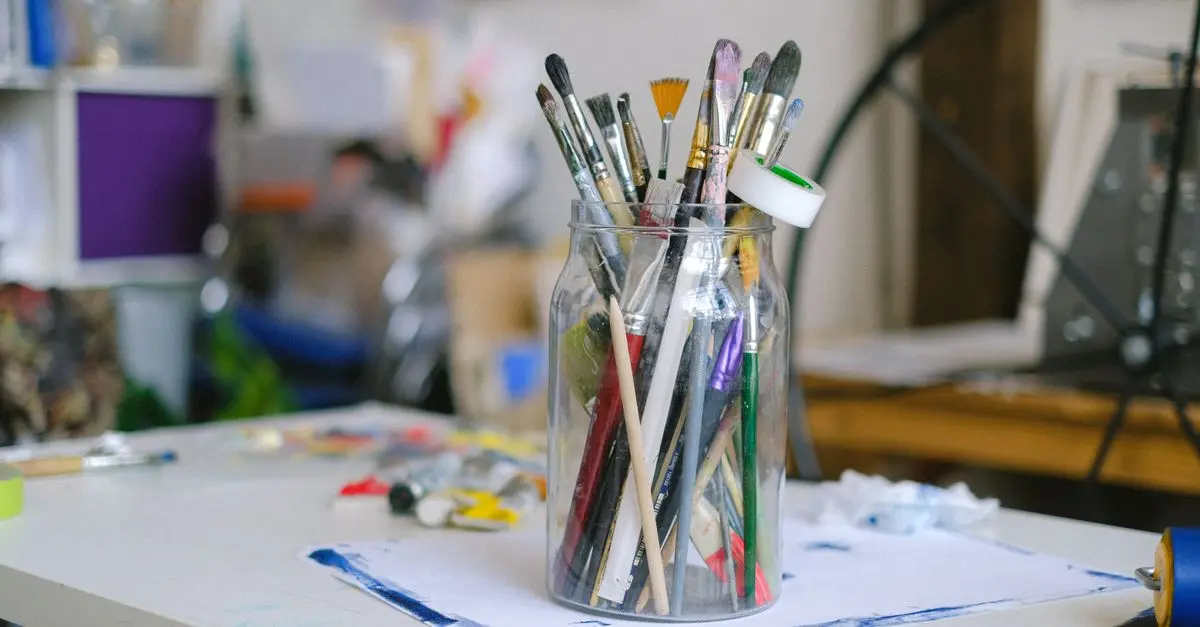
Artists should gain proficiency in manipulating various tools and materials, whether they are traditional (paints, brushes) or digital (software like Adobe Creative Suite). Understanding how to use your tools enhances your ability to express your ideas effectively.
When starting, invest in quality materials and try to practice consistently. Resources such as 60 Millions de Consommateurs often provide insights on selecting high-quality art supplies.
6. Art History Knowledge
Being knowledgeable about art history allows artists to draw inspiration and create context for their work. Understanding past movements, techniques, and the biographies of influential artists can enrich your own artistic journey.
Consider visiting galleries or taking online courses that explore different art movements and styles. Engaging with art history helps contextualize your practice and connect with audiences on a deeper level.
7. Communication Skills
The ability to articulate your artistic concepts and engage with audiences is vital. Strong communication skills allow artists to share their work effectively, whether through written artist statements, social media, or public presentations.
Practicing public speaking or writing about your art can build confidence in discussing your work. Participating in art communities, such as local meetups or online forums, can provide opportunities to hone these skills.
8. Time Management
As an artist, managing your time effectively between creating, promoting, and selling your work is crucial. Establishing a schedule can help you maximize productivity and ensure you allocate appropriate time to each aspect of your art practice.
Use tools like calendars or project management apps to plan your projects. Setting deadlines can help you stay focused and motivated, making it easier to track your artistic journey.
9. Networking and Collaboration
Building connections within the art community can lead to opportunities for collaboration, exhibitions, and feedback on your work. Cultivating relationships with fellow artists, art critics, and collectors can significantly enhance your visibility and marketability.
Attend art shows, workshops, and online webinars to meet others in the field. Networking not only provides support but can also inspire fresh ideas.
10. Resilience and Adaptability
Lastly, resilience is essential for artists facing rejection and criticism. The ability to adapt to feedback constructively and learn from challenges will build your confidence in your artistic voice. Resilience encourages continuous growth in your practice.
Develop habits of reflecting on feedback and using it to fuel your development, as noted by experts from The Art of Resilience. Embracing adaptability helps you stay relevant in a constantly evolving art world.
💡 Checklist for Aspiring Artists
- [ ] Develop creative thinking and problem-solving skills.
- [ ] Practice drawing fundamentals regularly.
- [ ] Explore color theory and its applications.
- [ ] Study composition techniques.
- [ ] Enhance technical skills with various tools.
- [ ] Learn about art history and its significance.
- [ ] Improve communication skills for public engagement.
- [ ] Manage time effectively for diverse projects.
- [ ] Network and collaborate with fellow artists.
- [ ] Cultivate resilience against criticism.
Glossary
| Term | Definition |
|---|---|
| Color Theory | The study of how colors interact and the emotional impact they create. |
| Composition | The arrangement of visual elements within an artwork. |
| Technical Skills | Proficiency in using artistic tools and materials effectively. |
> 📺 For further exploration: Understanding Color Theory in Art, an engaging video dissecting the impact of color in visual media. Search on YouTube: color theory for artists 2026.
🧠 Quick Quiz: What is the most important skill for an aspiring artist?
- A) Technical Skills
- B) Networking
- C) Art History
Answer: A — While networking and history are important, technical skills form the foundation of artistic practice.
📺 Pour aller plus loin : color theory for artists 2026 sur YouTube
Recommended products
Selected by our experts

Nettoyant moussant Essential Face Wash - 50 ml - Comfort Zone
Blissim FR
This essential face wash is perfect for artists needing to maintain a clean face for better creative focus during their work.

Nettoyant moussant Essential Face Wash - 150 ml - Comfort Zone
Blissim FR
A larger size of this face wash can cater to the needs of busy artists working on multiple projects.

Mushkin Essentials 8 Go 1x8 Go DDR4 260-pin SO-DIMM
Topbiz FR
This RAM upgrade can support digital artists using graphic-intense software to enhance their creativity.