Table of Contents (13 sections)
Embracing an artistic mindset is fundamental for anyone striving to be an artist. This way of thinking fosters creativity, resilience, and passion, essential traits in any artistic pursuit. In this article, we will explore effective strategies to cultivate an artistic mindset through a step-by-step guide, making it applicable for artists at any level.
Step 1: Understand the Core of an Artistic Mindset
An artistic mindset refers to a way of thinking that embraces creativity, open-mindedness, and a willingness to learn. It encourages a mindset shift from seeing limitations to seeing opportunities. Understanding this concept is crucial because it lays the groundwork for all subsequent steps. Research shows that adopting an artistic perspective can significantly improve creative output. For instance, a study from The Creative Research Journal found that individuals who practiced creative thinking techniques developed better problem-solving skills and were more innovative in their work.
To foster this mindset, start by defining what artistry means to you. Consider how it manifests in your life. Reflect on your passions and how they can influence your artistic journey. Writing these reflections down can serve as a reminder of your motivation and aspirations.
Step 2: Embrace Continuous Learning
Adopting an artistic mindset means recognizing that the journey is more important than the destination. Continuous learning is crucial. Whether it's taking art classes, reading books, or watching online tutorials, engaging in a learning process helps expand your creative toolkit. Sites like CreativeLive and Skillshare provide countless resources tailored to various artistic disciplines.
Moreover, attending workshops leads to practical hands-on experience. You’ll meet fellow creatives who can offer new insights. Interaction with peers fosters a sense of community, where you can share struggles and successes. Remember, a common mistake is thinking you have to know it all before starting. Embrace the beginner’s mindset; the beauty in art lies in exploration and growth.
Step 3: Cultivate a Routine
Establishing a routine is essential for nurturing your artistic mindset. Setting aside specific times for artistic activities can help solidify the habit. Research indicates that habits are fundamental for creative pursuits. According to The Journal of Experimental Psychology, structured routines enhance performance and focus.
Create a schedule that allows for regular practice. It doesn’t have to be long; just consistency is key. For instance, devote 30 minutes each day to sketching, writing, or whatever your chosen medium. Use that time to explore ideas and techniques freely, without judgment. This can be highly effective in minimizing self-doubt and allows for creative freedom.
Incorporate breaks into your routine as well. Stepping away from your work can provide fresh perspectives and prevent burnout. As Maya Angelou famously said, "You can’t use up creativity. The more you use, the more you have."
Step 4: Create an Inspiring Environment
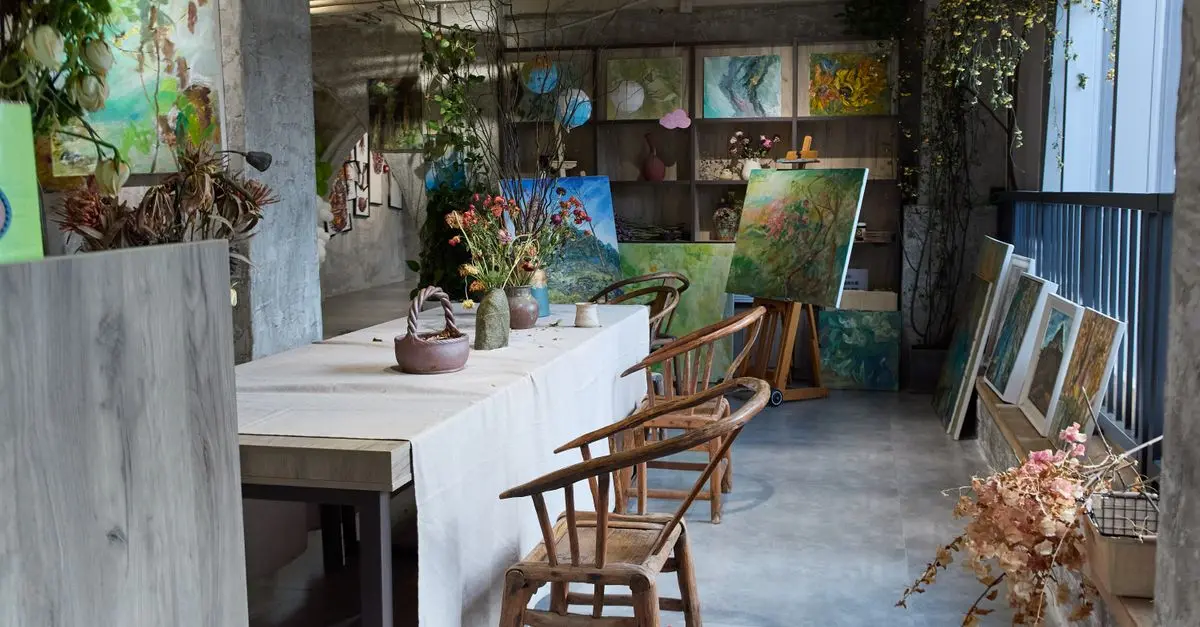
Your surroundings can significantly impact your artistic mindset. A cluttered, uninspiring space can hinder creativity, while an organized, aesthetically pleasing environment can enhance it. According to a study published in Environment and Behavior, individuals who worked in creatively stimulating environments became more productive.
Personalize your workspace with artwork that inspires you, plants, or other items that evoke creativity. Changing surroundings can stimulate new ideas. Create mood boards or use platforms like Pinterest to visualize the atmosphere you wish to cultivate. A well-thought-out space encourages concentration and creativity.
Step 5: Seek Feedback and Collaboration
Feedback is essential for growth. An artistic mindset requires openness to critique as it provides opportunities for improvement. Seek constructive criticism from trusted peers or mentors in your artistic community. Join artistic groups or online forums where artists share their work and provide input. This collaborative aspect can propel your work to new heights.
Consider engaging in collaborative projects. Working with others can introduce you to new methods and genres. It's a great way to push your boundaries while fostering connections within the artist community.
Step 6: Reflect and Adjust
Cultivating an artistic mindset involves constant reflection and adjustment of your approaches. Take time regularly to reflect on your artistic journey, celebrating your successes and identifying areas for growth. Journaling can be a useful tool for this process, allowing you to catalog your thoughts and adjustments over time. According to the American Journal of Lifestyle Medicine, reflecting on experiences enhances learning and self-development.
Be prepared to adjust your methods and practices. Sometimes, you may find that certain routines or strategies are no longer serving you as effectively as before. Embrace these changes as part of your growth.
Step 7: Practice Mindfulness and Self-Compassion
Finally, embrace mindfulness and self-compassion. An artistic mindset thrives in an environment free from harsh self-criticism. Practicing mindfulness through meditation or simple breathing exercises can help clear your mind, allowing creativity to flow more freely.
Recognize that mistakes and failures are part of the artistic process. Cultivating self-compassion allows you to approach your creative blocks with kindness instead of frustration. This shift can significantly enhance your artistic expression and productivity.
📺 Resource Video
> 📺 For further exploration: Developing Your Artistic Mindset, a thorough guide to nurturing your creativity. Search on YouTube: "how to cultivate an artistic mindset".
Checklist before you start:
- [ ] Define your personal vision of artistry.
- [ ] Foster continuous learning and skill development.
- [ ] Create a structured art practice routine.
- [ ] Design an inspiring and creative workspace.
- [ ] Actively seek feedback and collaboration.
- [ ] Reflect on your progress and make necessary adjustments.
- [ ] Practice mindfulness and self-compassion in your artistic endeavors.
Glossary
| Term | Definition |
|---|---|
| Artistic Mindset | A way of thinking that fosters creativity and resilience, essential for artistic success. |
| Mindfulness | The practice of being present and fully engaging with the moment, particularly in creative tasks. |
| Feedback Loop | The process of receiving, reflecting on, and acting on feedback to improve artistic work. |
FAQs
Conclusion
Cultivating your artistic mindset is a journey filled with exploration, growth, and creativity. As you implement these strategies, remember that each artist's path is unique. By nurturing this mindset, you will not only enhance your creative abilities but also find fulfillment in your artistic journey. Start today, and watch your artistry flourish!
📺 Pour aller plus loin : how to cultivate an artistic mindset sur YouTube