Table of Contents (20 sections)
Creating art is not just about mastering technique; it's about expressing your individuality in a way that resonates with others. Developing your unique artistic voice is a journey of self-discovery and creative exploration. In this tutorial, we guide you through a structured approach to finding and honing your artistic voice.
Understanding Your Unique Artistic Voice
Before you can express your voice, you need to understand what it is. Your unique artistic voice is the combination of your experiences, perspective, and influences that shape your art. It's what makes your work recognizable and meaningful. Begin by reflecting on the themes, subjects, and messages you are naturally drawn to. Are you inspired by nature, social issues, or personal experiences?
Key Questions to Explore:
- What emotions do I want my art to evoke?
- Which themes consistently appear in my work?
- How do my personal experiences influence my art?
Understanding these elements helps you clarify your intentions and define what sets your art apart from others.
Exploring Various Mediums
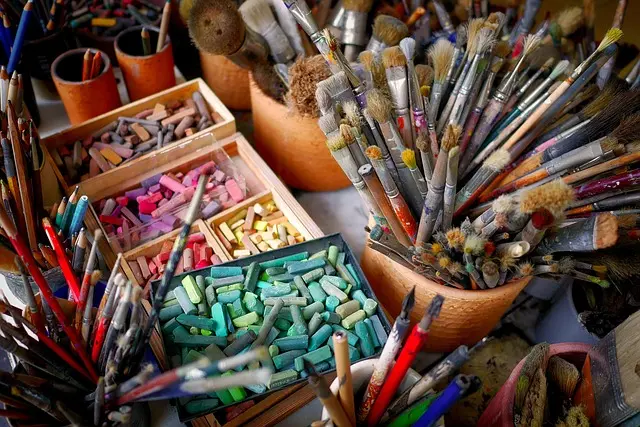
Experimenting with different mediums is crucial in finding your unique artistic voice. Trying various materials allows you to discover which ones resonate with your style and convey your message effectively. Painting, sculpture, digital art, and photography offer different possibilities.
Pro Tip:
- Dedicate a few hours each week to experiment with a new medium.
- Join workshops or online classes to learn new techniques and expand your skill set.
Avoid the pitfall of sticking to one medium too early in your creative journey. Diverse experimentation can lead to unexpected breakthroughs.
Identifying Your Personal Style
Developing a personal style is a key aspect of cultivating your unique voice. It's the distinctive look and feel of your work that viewers associate with you. Observe what naturally draws you, whether it's a color palette, composition, or technique.
Actionable Steps:
- Compile a collection of your favorite works, both yours and others'.
- Analyze them for common attributes like brushwork, tone, or subject matter.
Having a personal style doesn't mean your art must be static. It's about having a signature that evolves as you mature as an artist.
Seeking Inspiration from Diverse Sources
Inspiration fuels creativity, and limiting it to a narrow field can restrict your artistic growth. To cultivate a rich and diverse artistic voice, seek inspiration outside your usual sources.
Exploring New Horizons:
- Visit museums, galleries, and cultural events regularly.
- Read books, listen to music, or watch films from different genres and cultures.
Integrating diverse influences can lead to groundbreaking artistic concepts. Remember, inspiration is everywhere if you look closely enough.
Creating Consistently
Consistency is key to nurture and refine your artistic voice. Regular practice ensures continuous growth and improvement. Set aside dedicated time each week to create, regardless of how busy you might feel.
Practical Tips:
- Maintain a visual journal to sketch ideas and note inspirations.
- Schedule regular "art dates" with yourself to revisit and develop those ideas.
Don't let perfectionism hinder your progress. Every piece you create is a step forward in your journey.
Gathering Feedback and Iterating
Feedback is invaluable in refining your unique artistic voice. Sharing your work with peers, mentors, and audiences can provide fresh perspectives.
Feedback Methods:
- Participate in art critiques or peer review groups.
- Use social media platforms to reach a broader audience and seek constructive criticism.
Be open to feedback, but balance it with your creative instincts. Use it to iterate and refine, not to wholly define your direction.
Embracing Mistakes as Learning Opportunities
Mistakes are an inevitable part of the creative process, and embracing them can be transformative. Every misstep is a chance to learn and improve your technique or approach.
Change Your Perspective:
- Keep a "mistake journal" where you document challenges and your solutions.
- Reflect on past "failures" to recognize the progress and creativity they spurred.
Viewing mistakes as valuable learning experiences fosters resilience and innovation in your artistic practice.
Building Your Portfolio
A well-curated portfolio showcases your unique artistic voice to the world. It's an opportunity to present your best work and demonstrate your progression.
Portfolio Tips:
- Select pieces that reflect your style and themes consistently.
- Arrange them in a coherent order that tells your artistic story.
Regularly updating your portfolio with new works ensures it remains relevant and engaging to potential clients or collaborators.
📺 Ressource Vidéo
📺 For further learning: Understanding Your Artistic Process, a comprehensive guide on enhancing your creative expression. Search on YouTube: "developing artistic voice tutorial".
Glossaire
| Terme | Définition |
|---|---|
| Artistic Voice | The distinctive expression of an artist's perspective and influence. |
| Mediums | The materials or tools used by an artist to create a work of art. |
| Portfolio | A curated collection of an artist’s most significant works. |
- [ ] Reflect on my personal influences and themes.
- [ ] Experiment with at least two new mediums.
- [ ] Analyze my artwork for common stylistic elements.
- [ ] Seek feedback from a diverse audience.
- [ ] Update my portfolio with recent works.
🧠 Quiz rapide : What is the essential first step in developing your artistic voice?
- A) Experiment with new mediums
- B) Seek inspiration
- C) Understand your influences
Response : C — Understanding your influences helps define your unique voice.