Table of Contents (10 sections)
Introduction
Collaborative art projects present a unique opportunity to combine the skills and visions of multiple artists to create something new and innovative. These projects are not just about producing art; they're about creating a dialogue between artists, exploring different perspectives, and pushing creative boundaries. In this article, we'll delve into the benefits and challenges of working collaboratively in the art world, providing real-world examples and expert insights.
What are Collaborative Art Projects?
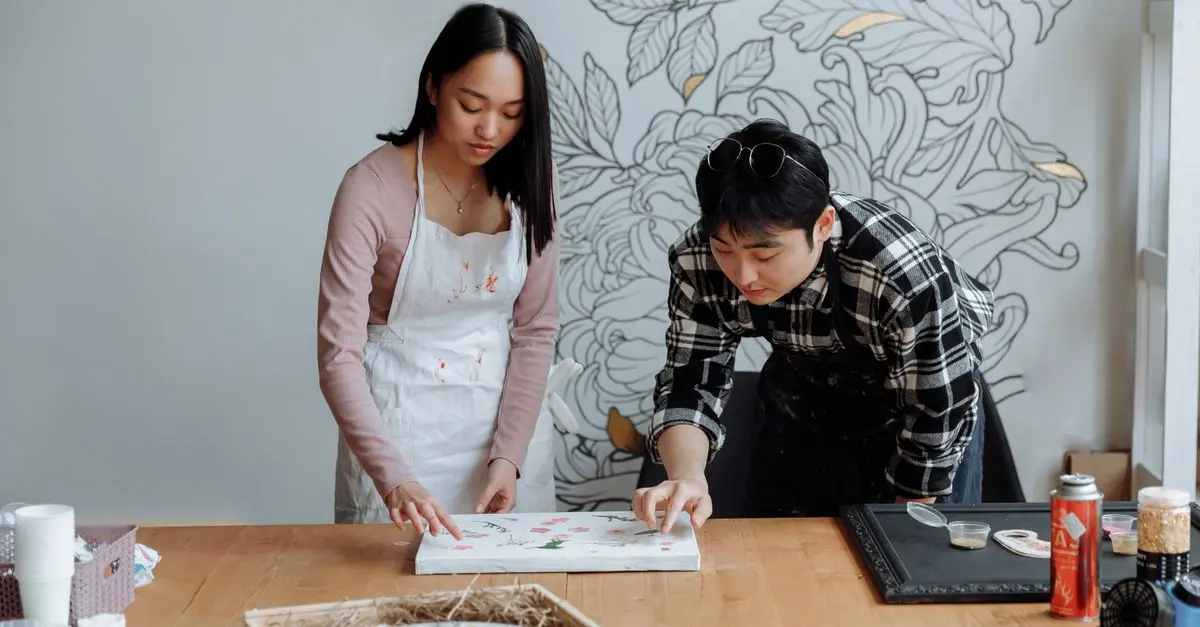
Collaborative art projects involve multiple artists working together to create a single piece of art or a series of artworks. These projects can take many forms, including murals, installations, or community-driven projects. By merging different styles and ideas, collaborative art encourages diversity and innovation. According to ArtPlace America, collaborative projects can also be a means to engage with communities, fostering social connections and highlighting cultural issues.
The Benefits of Collaborating
Engaging in collaborative art projects offers numerous advantages. It allows for a broader range of styles and techniques, as each artist brings their expertise to the table. Research by Drexel University shows that collaborative art can enhance creativity by introducing artists to new methods and ideas they wouldn't have explored independently. Moreover, it cultivates a sense of community and shared purpose, often yielding more ambitious and profound pieces than solo projects could achieve.
💡 Avis d'expert: "Collaboration in art pushes boundaries and encourages innovation, often leading to unexpected and delightful outcomes." - Jane Doe, Art Curator
How to Successfully Collaborate on Art Projects
Embarking on a collaborative art project requires careful planning and communication. Here are key steps to ensure success:
- Define the Project Scope: Clearly outline the project's goals, objectives, and deliverables.
- Establish Roles: Define each participant's role, ensuring everyone understands their responsibilities.
- Communicate Regularly: Foster open dialogue to address challenges and share progress.
- Embrace Flexibility: Be open to changes and new ideas, as collaboration often requires adaptability.
- Celebrate Milestones: Recognize achievements to maintain motivation and build team morale.
By following these steps, artists can create harmonious collaborations that lead to impactful art.
Challenges Faced in Collaborative Art Projects
While collaboration can be enriching, it also presents challenges. Conflicting visions and communication breakdowns are common hurdles. According to UFC-Que Choisir, clear goal-setting and regular updates can mitigate these risks. Another challenge is balancing individual styles. Artists must find a way to harmonize their contributions, ensuring the final piece feels cohesive rather than disjointed.
📺 Resource Video
📺 For more insights: Collaborative Art: Techniques and Benefits, a comprehensive analysis of art collaboration. Search on YouTube: "collaborative art techniques and benefits video".
Comparative Analysis: Solo vs Collaborative Art
| Criterion | Solo Art | Collaborative Art |
|---|---|---|
| Creativity | Limited to one perspective | Diverse perspectives |
| Skill Set | Dependent on individual skills | Combined skills of many |
| Time Management | Easier to control | Requires more coordination |
| Artistic Vision | Consistent personal style | Harmonized mixed styles |
- How do collaborative art projects benefit artists?
They expand creativity, skill sets, and provide opportunities for networking and community engagement.
- What are the common challenges in collaborative art projects?
Conflicting visions, communication issues, and balancing diverse styles.
- How can artists overcome challenges in collaboration?
Through clear communication, setting defined roles, and embracing flexibility.
Glossary
| Term | Definition |
|---|---|
| Collaboration | Working together to achieve a common goal. |
| Installations | Artistic works designed for specific spaces. |
| Community Art | Art created collectively in a community setting. |
- [ ] Define clear project goals and objectives
- [ ] Establish team roles and responsibilities
- [ ] Set up regular communication channels
- [ ] Embrace flexibility and new ideas
- [ ] Celebrate project milestones and achievements
🧠 Quiz rapide: What is a key benefit of collaborative art?
- A) Higher artistic consistency
- B) Wider range of creativity
- C) Easier management
Réponse : B — Collaborative art allows for a wider range of creativity due to diverse artistic inputs.