Table of Contents (14 sections)
What Does It Mean to Be an Artist?
Becoming an artist involves much more than just creating beautiful works; it's about expressing your thoughts, emotions, and ideas through various forms. An artist can be anyone who creates, including painters, sculptors, musicians, writers, and digital content creators. In 2026, the value of creativity continues to rise, with a significant increase in demand for original content across various industries. A study by the International Creators Alliance indicates that creative professionals contribute over $400 billion to the economy annually, showcasing the importance of these roles in today's society.
The essence of being an artist lies in the journey of self-discovery and innovation. It may involve learning technical skills and techniques, developing a distinct style, and exploring new mediums. Understanding what art means to you personally and recognizing its value in communication and expression is crucial. Many artists emphasize the subjective nature of art; what resonates with one person may not hold the same meaning for another. In your artistic journey, it's essential to foster a passion for the process itself rather than focus solely on external success.
Step 1: Finding Your Medium
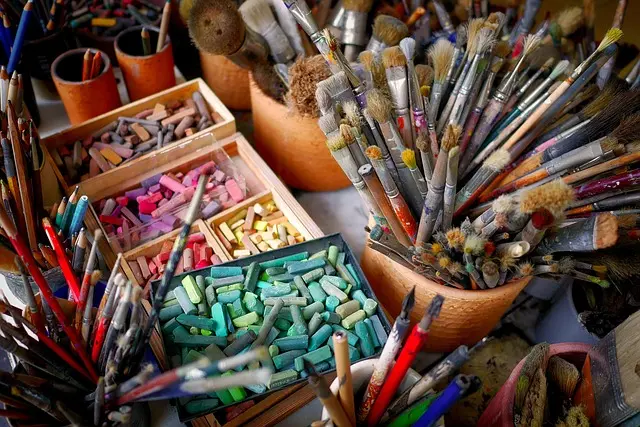
The first step on your artistic journey is identifying the medium you want to work with. The choices are vast, ranging from traditional options like painting and drawing to digital mediums such as graphic design and photography. When choosing a medium, consider what excites you and what you want to convey through your work. Experimentation is key in this stage — don’t hesitate to dabble in multiple mediums until you find one that aligns with your style.
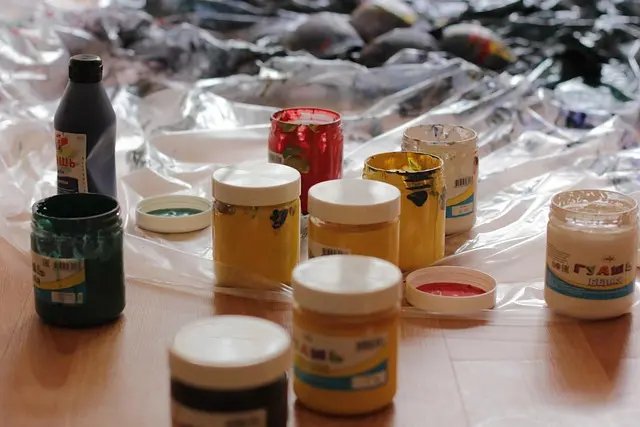
For instance, a beginner might try acrylic paints, watercolors, or digital drawing tools to see which one feels most comfortable. According to data from a 2025 survey, 68% of aspiring artists reported starting with multiple mediums before committing to one. It's important to immerse yourself in the exploration phase for at least a few months. Participate in local art classes, watch tutorials, or take online courses tailored to your chosen medium to deepen your understanding.
Tips for Selecting Your Medium:
- Think About Your Passion: Choose a medium you feel drawn to.
- Research: Look into popular techniques and styles within your chosen medium.
- Consider Accessibility: Some mediums require more investment than others. Starting small is often more feasible.


Step 2: Building Your Skills
Once you've selected your preferred medium, the next step is to build your skills. This involves both structured education, such as classes or online courses, and unstructured practice where you create without constraints. Online platforms like Skillshare and MasterClass offer courses led by professional artists who provide insights into their techniques.
Practical exercises like daily sketching, completing artistic challenges, or creating a series of works can rapidly enhance your abilities. Many successful artists advocate for consistent practice as the cornerstone of improving artistic skills. Studies have demonstrated that regular, dedicated practice can lead to noticeable improvements in technical ability and creativity.
Strategies for Skill Development:
- Set Goals: Create achievable short-term and long-term goals for your art practice.
- Seek Tutorials: Utilize free online resources like YouTube for technical skills.
- Join Workshops: Participate in local workshops to learn from professionals and interact with peers.
Step 3: Creating Art Consistently
Creating consistently is fundamental to becoming an artist. It helps develop your voice and style, as well as strengthen your skills. Setting aside dedicated time each week to create can establish a routine that fosters creativity. One effective approach is to create a creative schedule, allocating specific blocks of time for different types of work or exploration.
Many artists recommend keeping a sketchbook or digital journal where you can jot down ideas, sketches, and reflections on your progress. According to research by the Creative Guild, 75% of professional artists attribute their success to disciplined routines involving daily creation. This dedication will also allow you to cultivate resilience and adaptability, enabling you to tackle critique and obstacles head-on.
Pro Tips for Consistent Creation:
- Make Use of Prompts: Participate in themed art challenges or daily prompts.
- Limit Distractions: Create a dedicated workspace free from distractions.
- Collaborate with Other Artists: This can inspire new ideas and keep you accountable.
Step 4: Seeking Feedback and Growing
As you progress, seeking feedback becomes vital for growth. This can be from peers, mentors, or even the wider online community. Constructive criticism can illuminate areas of strength and opportunities for improvement. Join local art groups, online forums, or social media communities that focus on your medium.
Many artists hesitate to share their work due to fear of negativity, but it’s crucial to remember that feedback, even when tough, helps you evolve and refine your style. A study by Art Insights indicated that artists who actively seek feedback tend to increase their skill level at a faster pace than those who don’t.
Ways to Get Valuable Feedback:
- Create Groups: Form or join a critique group with fellow artists.
- Use Social Media: Share your work on platforms like Instagram or TikTok and engage with comments.
- Attend Exhibitions: Show your work to the public and gauge reactions.
Step 5: Showcasing Your Work
With a refined style and a portfolio developed from consistent practice and feedback, the next step is to showcase your work. Start by creating an online portfolio through platforms like Behance or personal websites. This not only serves as a personal gallery but also makes it easier for potential clients or buyers to find you.
Consider participating in local art shows, fairs, or exhibitions to gain visibility. Networking with other artists and galleries can also open doors for future opportunities. According to a survey from the Art Business Institute, artists who actively market their work report higher sales and engagement levels than those who do not promote themselves.
Marketing Tips for Artists:
- Use Social Media: Regularly post your new developments and behind-the-scenes content.
- Engage Your Audience: Communicate with your followers and potential buyers to build a loyal community.
- Create a Newsletter: This keeps interested individuals updated on your work and upcoming projects.

Deacon Jones Foundation - Arizona Cardinals "The Game" Fine Art Canvas Print 26" x 40" by Artist Jason Robichau
bestbuy.com


Checklist before you start
- [ ] Choose a medium that excites you.
- [ ] Build a skill development schedule.
- [ ] Create consistently, even on tough days.
- [ ] Seek constructive feedback actively.
- [ ] Develop a marketing strategy for showcasing your work.
Glossary
| Term | Definition |
|---|---|
| Medium | The material or technique used by an artist to create their work. |
| Critique | Constructive feedback aimed at helping an artist improve their work. |
| Portfolio | A collection of an artist's work, showcasing their skills, style, and creative journey. |
> 🧠 Quiz rapide : What is the most important step in becoming an artist?
> - A) Finding your medium
> - B) Seeking feedback
> - C) Creating consistently
> Réponse : C — Creating consistently is fundamental to honing your skills and defining your artistic voice.
📺 Pour aller plus loin : how to become an artist 2026 sur YouTube
Recommended products
Selected by our experts
Bespoke Post x Connor Liljestrom Artist Tee, Smoke Break - Connor Liljestrom Official Shop Smoke Break Small Unisex
bespokepost.com