Table of Contents (10 sections)
What is Art Therapy?
Art therapy is a form of psychotherapy that utilizes the creative process of making art to improve a person's physical, mental, and emotional well-being. According to the American Art Therapy Association, it involves using art media, the creative process, and the resulting artworks to explore feelings, reconcile emotional conflicts, foster self-awareness, manage behavior, develop social skills, and solve problems. This therapeutic approach is inclusive and integrates the therapeutic elements of psychological theory and the artistic process.
Art therapy is grounded in the idea that creative expression can foster healing and mental well-being. Unlike traditional talk therapies, which rely heavily on verbal communication, art therapy offers an alternative outlet for individuals to express feelings that may otherwise be difficult to articulate. As noted by experts in the field, such as Dr. Cathy Malchiodi, art therapy facilitates communication through artistic expression, enabling a greater understanding of oneself and one's experiences.
The Process of Art Therapy
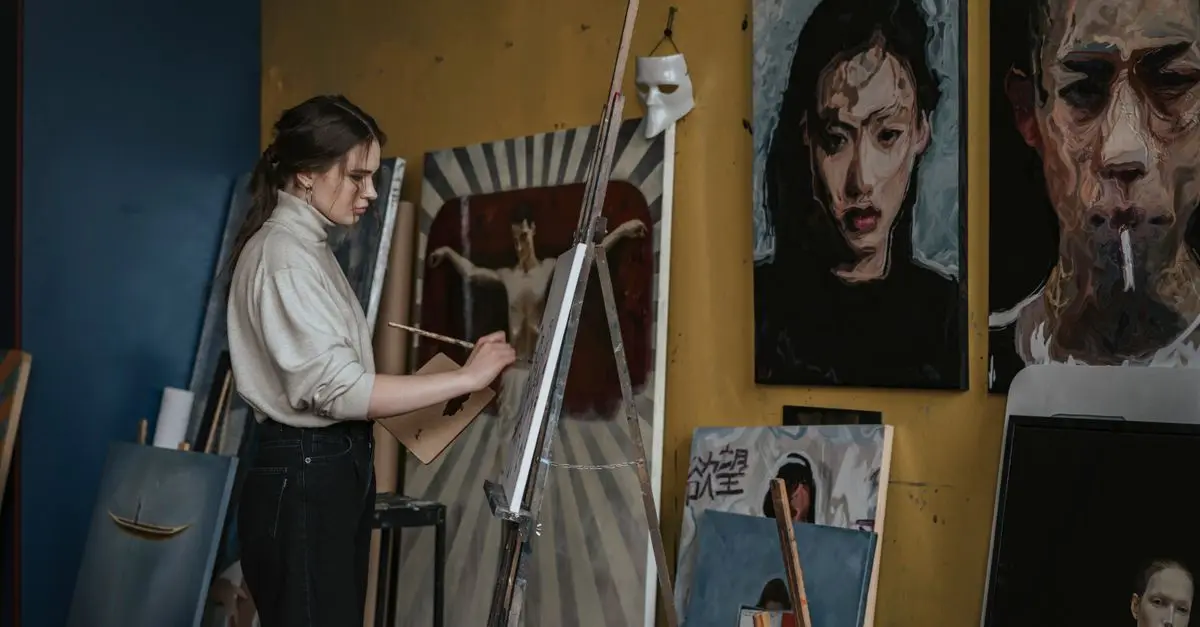
Engaging in art therapy typically involves working with a licensed art therapist. The process begins with an initial assessment where the therapist and client discuss goals and expectations. Sessions are tailored to individual needs and may include various artistic activities such as painting, drawing, sculpting, or digital media creation. These activities are designed to promote self-expression and emotional release.
During a session, the therapist observes the client's creative process, the art produced, and the client’s response to this process. This information helps the therapist gain insights into the client's psyche and develop strategies to address their specific needs. According to the National Institute of Mental Health**, art therapy sessions can vary in format, including individual and group settings, short-term or longer-term engagement, depending on clients' circumstances and therapy goals.
According to a 2023 report from Psychology Today, the structured yet flexible nature of art therapy allows for exploration and insights without the pressure of achieving a specific artistic outcome, further underscoring its suitability for individuals who may find traditional psychotherapy challenging.
Benefits of Art Therapy for Mental Health
One of the primary benefits of art therapy is its ability to reduce stress. Engaging in artistic activities can lead to a state of relaxation similar to meditation. A study published in the Journal of the American Art Therapy Association found that 45 minutes of creative activity significantly lowered cortisol levels in participants, the hormone related to stress.
Art therapy also enhances emotional resilience by providing a safe space to express and process complex emotions. Participants often report increased self-esteem and confidence as they gain insight into their own experiences and emotions. Moreover, art therapy has been found to mitigate symptoms of depression and anxiety, creating a positive shift in mood and fostering a sense of accomplishment.
Additionally, research from the World Health Organization (WHO) in 2024 confirmed that creative arts interventions, including art therapy, promote mental health and psychosocial well-being, especially in vulnerable populations such as those experiencing trauma or grief.
Comparison: Art Therapy vs. Traditional Therapy
| Criterion | Art Therapy | Traditional Therapy | Which to Choose |
|---|---|---|---|
| Approach | Non-verbal, creative | Verbal communication | Depends on personal preference |
| Tools Used | Artistic materials | Dialogue and discussion | Based on individual comfort |
| Target Audience | All ages, non-verbal expression | Primarily verbal communicators | Cohorts needing creative outlets |
| Outcomes | Enhanced self-expression, stress relief | Insight through conversation | Choose based on individual goals |
Statistics and Data on Art Therapy
According to the American Psychological Association, the use of art therapy has been growing steadily since 2020, particularly among youths and in school settings. A 2025 survey revealed that over 60% of mental health practitioners believe incorporating creative arts into therapy increases patient engagement and therapeutic outcomes. Furthermore, a meta-analysis conducted by The Journal of Clinical Psychology highlights that art therapy is particularly effective for treating trauma, with notable improvements in symptoms for over 70% of patients.
Globally, art therapy is recognized as a valuable mental health treatment, being integrated into healthcare systems in countries such as the UK, Canada, and Australia. The versatility of art therapy allows it to be adapted across different cultures and societal contexts, demonstrating its universal appeal and effectiveness.
Frequently Asked Questions
- What are the art therapy benefits?
Art therapy offers stress relief, emotional resilience, enhanced self-esteem, and supports mental health.
- How does art therapy work?
It involves creating art to express emotions and gain psychological insight with the guidance of a therapist.
- Is art therapy suitable for children?
Yes, it is highly effective as it allows children to express feelings they may not be able to verbalize.
- Can art therapy be practiced in groups?
Absolutely, group sessions encourage social skills and shared experiences.
Glossary
| Term | Definition |
|---|---|
| Art Therapy | A therapeutic technique using art to improve emotional and psychological well-being. |
| Cortisol | A hormone released in response to stress, affecting various bodily functions. |
| Trauma | A psychological response to a deeply distressing or disturbing event. |
- [ ] Research licensed art therapists in your area.
- [ ] Set clear personal goals for what you wish to achieve.
- [ ] Consider what type of artistic expression resonates with you.
- [ ] Ensure your therapist provides a comfortable environment.
- [ ] Be open-minded to different forms of expression.
📺 Resource Video
📺 For further insights: Exploring the Healing Power of Art Therapy, a comprehensive analysis of art therapy benefits. Search on YouTube: "art therapy benefits in mental health"
💡 Expert Opinion: "Art therapy opens up new channels for self-expression and healing that traditional methods cannot. It allows individuals to tap into their innate creativity, fostering personal growth and mental well-being." — Dr. L. Marks, Art Therapist
🧠 Quiz rapide: What is an essential benefit of art therapy?
- A) Higher artistic proficiency
- B) Improved self-esteem
- C) Verbal communication skills
Answer: B — Art therapy primarily enhances self-esteem and emotional well-being.