Table of Contents (12 sections)
In today's fast-paced world, many individuals seek creative outlets, and art is one of the most fulfilling ways to express oneself. However, finding your unique artistic style can feel overwhelming for beginners. This guide provides a structured approach to help you in finding your artistic style through a series of actionable steps.
1. Understand What Artistic Style Means
Artistic style refers to the distinct characteristics that define an artist's work, including techniques, color palettes, themes, and forms. Developing a unique style is essential because it allows you to express your individuality and communicate your artistic vision effectively. The importance of identifying your style lies in its ability to make your work recognizable and relatable, helping you build an audience over time. Remember, your artistic style may evolve, so stay open to changes throughout your artistic journey.
2. Experiment with Different Mediums and Techniques
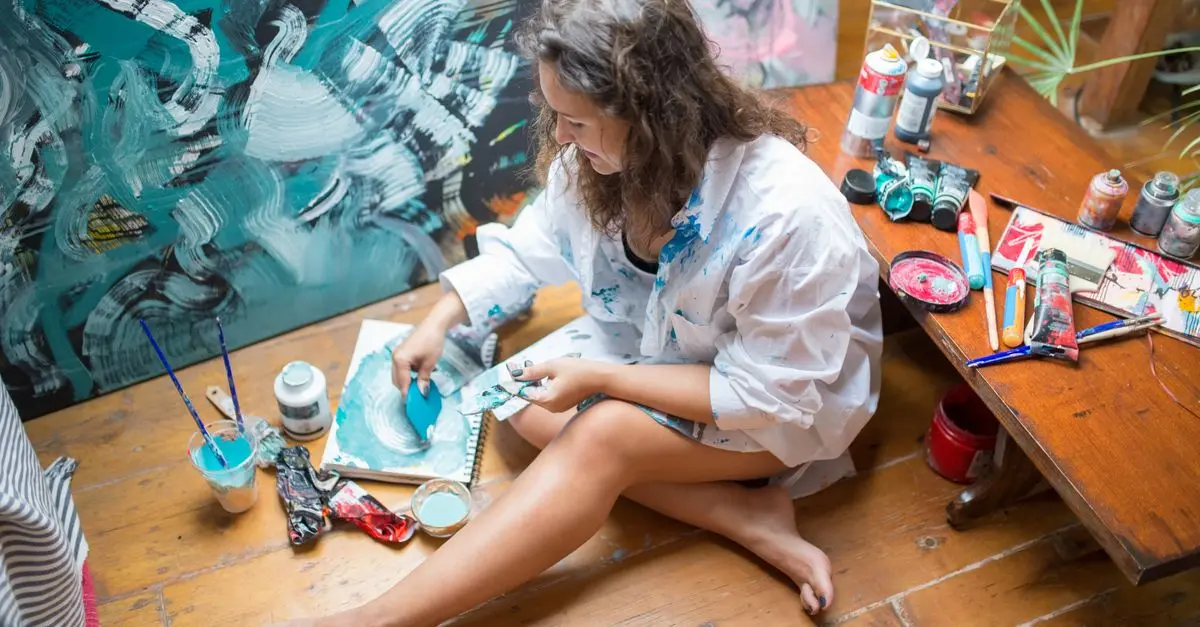
To truly discover your artistic style, experimentation is crucial. Start by exploring various mediums like watercolor, acrylics, charcoal, and digital tools. Each medium has unique properties, encouraging different techniques and effects that can resonate with your aesthetics. For instance, watercolors may lead you to embrace fluidity and spontaneity, whereas acrylics might encourage boldness and vibrancy.
Take time each week to create using a different medium, documenting what you enjoy and what challenges you. You can use forums or social media to seek genuine feedback from fellow artists or even friends and family. Note that it's normal to struggle initially; the key is to embrace the learning curve while reflecting on how each medium feels to you and what it evokes emotionally. Monitor trends in the artistic community and observe how top artists navigate mediums—this may provide inspiration for your own journey.
3. Analyze What Inspires You
Understanding what motivates your artistic process is a significant step in finding your artistic style. Look into various sources of inspiration—these can range from nature, architecture, music, and even emotions. With today's interconnected world, you are exposed to a wealth of resources. Pinterest, Instagram, and art blogs can provide visual stimulation that might unlock new perspectives.
Create a mood board that attracts your attention, combining images, colors, and textures that resonate with you. This helps identify patterns in your preferences, leading to insights regarding your innate style. For instance, do you gravitate towards soft pastels, or are you drawn to vibrant, contrasting colors? Moreover, ask yourself which artists or movements inspire you. Finding common threads among these influences can guide you towards a cohesive style of your own.
4. Create Regularly and Document Your Growth
Consistency is key when developing your artistic style. Set aside time to create art regularly—whether daily or weekly—ensuring it aligns with your growing interests. The more you create, the clearer your personal style will become.
Maintain an art journal or portfolio where you document your works, thoughts, and progress. Over time, revisit your older pieces to observe how your style has changed and matured. For instance, you may notice a progression in technique, depth of concept, or use of color. Always challenge yourself to incorporate new discoveries and ideas; this could involve using a new technique, exploring themes that interest you, or even collaborating with others to gain fresh perspectives.
5. Seek Feedback and Adjust Accordingly
Once you've created a body of work, seeking constructive feedback is essential. Share your work within art communities, social media platforms, or local art groups. Critiques help identify strengths and weaknesses in your work, providing insights into how your style is perceived by others.
However, remember that not all feedback will resonate with you; it's essential to filter this information against your artistic vision. Embrace opinions that align with your goals, but don’t feel obligated to change your style based solely on others' preferences. You may want to initiate informal surveys where respondents identify what stands out in your work. Such feedback can be instrumental in creating a distinctive style over time.
6. Develop a Signature Touch
As you refine your artistic style, consider developing a signature touch—a recognizable element that appears consistently across your work. This could be a specific brushstroke, color scheme, or even thematic elements. A signature touch helps in making your work memorable, enhancing your branding as an artist.
Think of artists like Vincent van Gogh, who is distinguished by his swirling brush strokes and vibrant colors, or Georgia O'Keeffe, with her unique portrayal of flowers and landscapes. These elements create consistency, enabling audiences to identify their artworks easily. Aim to incorporate one or two distinguishing features into your work that resonate strongly with your style.
7. Provide Tell-Tale Stories through Your Art
Art often tells a story, and your unique perspective can be expressed through thoughtful narratives woven into your pieces. Whether intentional or not, each artwork can encapsulate an emotion, an experience, or a commentary on life. As your style materializes, consider what stories are essential for you to share.
Are there particular life experiences or themes that resonate with you—such as identity, environmental issues, or human connection? Incorporating personal narratives makes your work more profound, and this relatability can help in attracting a dedicated audience.
8. Utilize Online Learning Resources
Finally, don’t hesitate to take advantage of online resources dedicated to artistic development. Platforms like Skillshare, Udemy, and even YouTube offer courses and tutorials taught by experienced artists. Participating in workshops can also provide insights into different methods and outputs, aiding in uncovering your artistic preferences.
Additionally, participate in art challenges and prompts available online. Websites like ArtStation and DeviantArt frequently host challenges that encourage artists to push their boundaries. These can lead to growth, new friendships, and even collaboration opportunities with other passionate creators.
📺 Resource Video
> For a deeper understanding, check out [How to Discover Your Artistic Style] on YouTube. Search for: finding your artistic style tutorial.
Checklist before deciding on your artistic style
- [ ] Experiment with various mediums.
- [ ] Create a mood board of inspirations.
- [ ] Document your artwork regularly.
- [ ] Seek constructive feedback.
- [ ] Identify your unique elements.
- [ ] Tell a story through your art.
- [ ] Utilize online resources for learning.
Glossary
| Terme | Définition |
|---|---|
| Artistic Style | The distinctive characteristics that define an artist's work. |
| Medium | The materials used to create artwork (e.g., oil paint, charcoal). |
| Mood Board | A visual collage of images and elements that inspire creative ideas. |
> 🧠 Quick Quiz: What is the first step in finding your artistic style?
> - A) Analyze what inspires you
> - B) Experiment with different mediums
> - C) Create a mood board
> Answer: A — Understanding your inspirations lays the groundwork for your style.
📺 Pour aller plus loin : finding your artistic style tutorial sur YouTube