Table of Contents (12 sections)
In the world of art, understanding the fundamental techniques is crucial for any aspiring artist to express their creativity effectively. Whether you are a painter, sculptor, or digital artist, mastering these techniques can significantly enhance your skill set. In this article, we will explore seven essential techniques for aspiring artists that are not only foundational, but also practical in everyday creative endeavors.
1. Embrace the Basics of Drawing
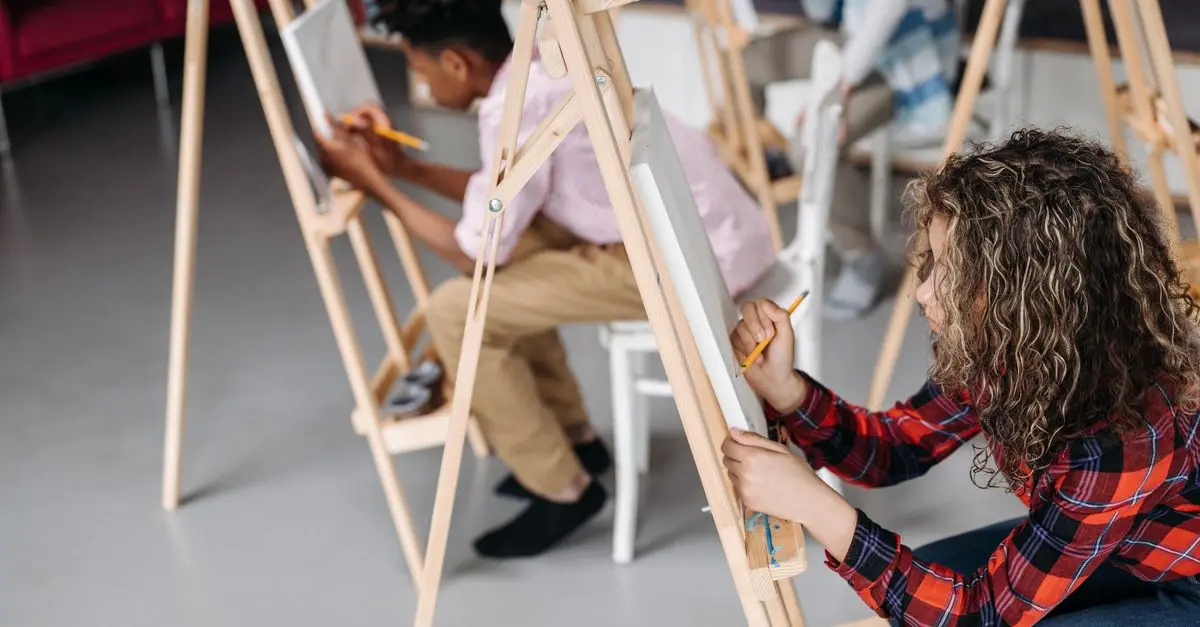
Before diving into complex projects, every aspiring artist should devote time to mastering basic drawing skills. Drawing is often considered the backbone of all visual arts, as it teaches artists about proportions, perspective, and the way light interacts with forms. Practicing sketching objects from real life helps develop observation skills and hand-eye coordination. According to a study published by the Journal of Educational Psychology, students who practiced drawing showed a 33% improvement in visual-spatial skills over a 6-month period. As you practice, focus on various techniques like contour drawing and shading to give depth to your work.
2. Explore Color Theory
Understanding color theory is essential for any artist looking to create visually appealing pieces. Color theory encompasses how colors interact, the psychology behind color choices, and how to effectively mix colors. Familiarize yourself with concepts like the color wheel, complementary colors, and color harmony. For instance, using complementary colors in your artwork can create a vibrant contrast that draws attention. A helpful tip is to create a color wheel as a reference, allowing you to experiment with hues and shades in your projects.
3. Experiment with Different Mediums
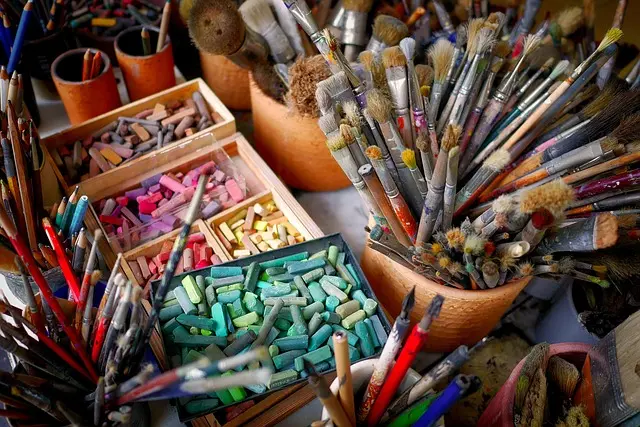
Exploring various artistic mediums can profoundly influence your style and technique. Each medium offers unique properties that can drastically change the outcome of your work. For example, acrylic paints dry quickly and are versatile, while oil paints allow for slow blending and richer textures. As an aspiring artist, dedicating time to experiment with materials like charcoal, pastels, or digital platforms can lead to the discovery of your preferred medium and technique. A study from The Art Department Journal suggests that artists who diversify their medium usage often develop a more unique voice in their work.
4. Master Composition Techniques
Composition refers to how elements in your artwork are arranged and is pivotal in guiding the viewer's eye. Techniques such as the rule of thirds, leading lines, and balance can rewrite the story told by your piece. For instance, using the rule of thirds can create a more dynamic layout and enhance visual impact. Constructing a grid over your canvas can help you effectively place key elements. Research from the Creative Arts Journal indicates that artworks with strong compositional strategies tend to be perceived more favorably by audiences.
5. Develop Your Unique Style
Identifying and cultivating your unique artistic style can set you apart as an artist. This begins with understanding influences such as favorite artists, movements, and techniques that resonate with you. Documenting your artistic journey through a sketchbook where you experiment with variations can be enlightening. This process not only enhances creativity but also instills confidence. In a survey by Art Trends, 68% of artists reported that consistent experimentation contributed to the development of their signature style over time.
6. Seek Constructive Feedback
Receiving constructive feedback from fellow artists, mentors, or through online communities is invaluable for growth. Engaging with others allows you to gain fresh perspectives on your work, identify areas for improvement, and inspire new ideas. Workshops, art classes, and critique groups are excellent platforms for sharing pieces and garnering insights. According to the Art Review Journal, artists who actively seek feedback often witness a 45% faster progression in their skills and conceptual understanding.
7. Embrace Continuous Learning
The art world is ever-evolving, making continuous learning imperative for aspiring artists. Enroll in workshops, online courses, or attend art-school programs that hone both your skills and theoretical knowledge. Platforms like Skillshare and Coursera offer a wealth of resources tailored to different artistic fields. Moreover, incorporating art history into your studies can enrich your understanding of various techniques and serve as inspiration for your own projects. Data from The Art Education Association suggests that artists who commit to lifelong learning report significantly higher levels of satisfaction and creativity in their work.
📺 Resource Video
> 📺 For further exploration: How to Improve Your Art Skills, a comprehensive guide on enhancing various techniques. Search on YouTube: "techniques for aspiring artists."
Conclusion
Mastering these seven techniques will provide aspiring artists with a robust foundation to build upon. Whether it's honing drawing skills or embracing different mediums, each technique contributes to overall artistic development. Prioritizing continuous learning and seeking feedback can significantly accelerate artistic growth. As you embark on your artistic journey, remember that practice, patience, and passion are paramount.
Glossary
| Term | Definition |
|---|---|
| Composition | The arrangement of visual elements within a piece of art. |
| Color Theory | A set of principles used to understand how colors interact. |
| Medium | The materials used to create an artwork (e.g., oil, acrylic). |
Checklist for Aspiring Artists
- [ ] Practice basic drawing techniques regularly.
- [ ] Experiment with different artistic mediums.
- [ ] Study color theory and create a color wheel.
- [ ] Explore composition techniques in your artworks.
- [ ] Seek feedback from peers and mentors periodically.
- [ ] Commit to continuous learning through workshops or courses.
🧠 Quick Quiz: What is the primary purpose of understanding color theory in art?
- A) To paint faster
- B) To create more effective artwork
- C) To copy famous artists
Answer: B — Understanding color theory aids in making informed color choices, enhancing the overall effectiveness of a piece.
📺 Pour aller plus loin : techniques for aspiring artists sur YouTube