Table of Contents (11 sections)
Cultivating an artistic practice is essential for anyone who wants to become a successful artist. In a world filled with distractions, maintaining focus and consistency in your artistic endeavors can be challenging. This guide outlines seven essential steps to help you build a meaningful and fulfilling artistic practice that nurtures your creativity.
1. Define Your Artistic Goals
Before embarking on your artistic journey, it's crucial to set clear and achievable goals. Ask yourself, what do you want to express through your art? Whether it’s mastering a technique, exhibiting work, or simply exploring creativity, defining your objectives helps shape your direction. For instance, if you aim to master painting, you might set goals such as creating one painting per week or enrolling in a workshop by a renowned artist. Research shows that making your goals specific and measurable increases your chances of achieving them by 65% (according to a study in the Journal of Applied Psychology).
2. Establish a Routine
Consistency is key in developing any practice, including art. Creating a daily routine can help you establish a relationship with your art. Try setting aside specific times for artistic activities. For example, you might decide to paint every morning before work or sketch during your lunch break. This routine not only helps build discipline but also encourages productivity. Remember, the time you dedicate doesn’t need to be extensive; even 30 minutes a day can lead to significant progress over time.
3. Create an Inspiring Workspace
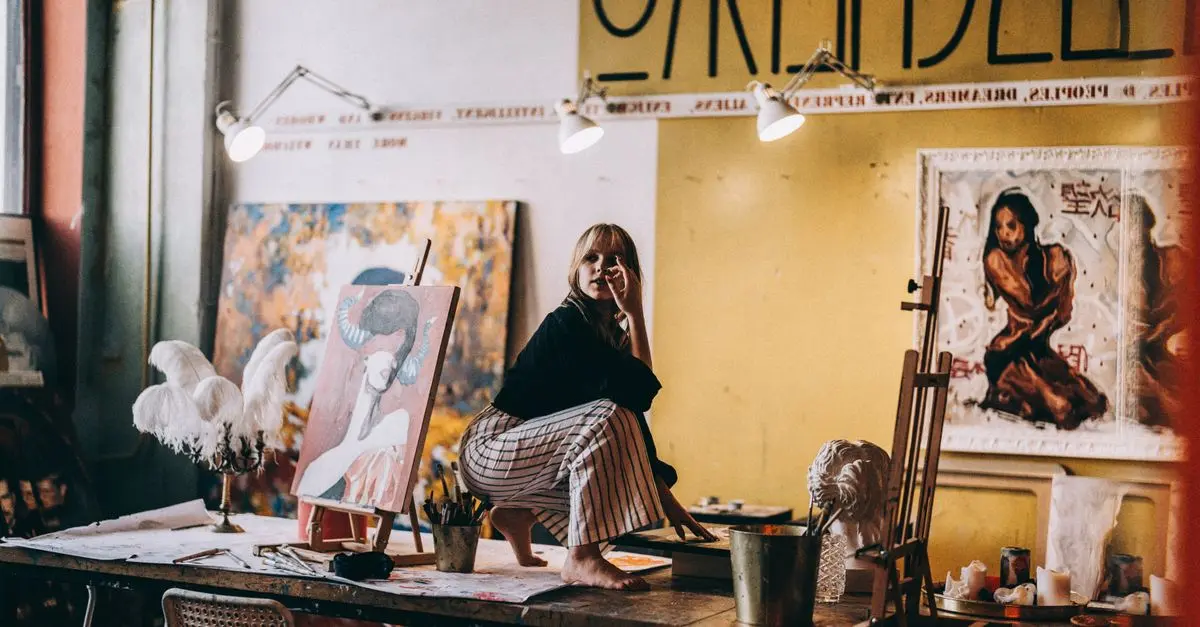
Your environment plays a crucial role in nurturing your creativity. Designate a specific space for your artistic practice, filled with tools and materials that inspire you. Ensure that it is well-lit, organized, and clutter-free to foster focus and productivity. Consider adding personal elements like art books, quotes, or works that motivate you. According to the Journal of Environmental Psychology, a well-organized workspace can enhance cognitive performance and creativity by up to 30%.
4. Experiment and Explore Different Mediums
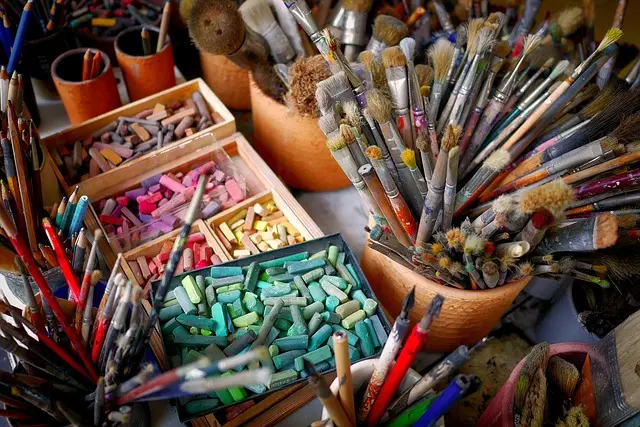
One of the most enriching aspects of art is the diverse range of mediums available. Don’t limit yourself to just one; instead, explore different techniques and materials. For example, if you primarily paint, try incorporating collage or digital art into your practice. This experimentation can lead to unexpected discoveries and inspire new ideas for your work. Engaging with various mediums can also help you find the one that resonates most with your artistic voice.
5. Seek Inspiration from Others
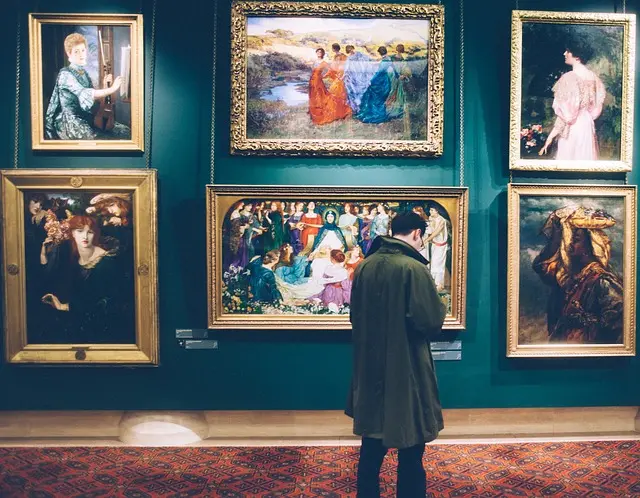
Connecting with fellow artists or seeking inspiration from creative communities can enhance your artistic journey. Attend workshops, join local art groups, or engage in online forums. Consider visiting exhibitions or galleries where you can experience different styles and perspectives. According to a study by the National Endowment for the Arts, engaging with the local arts community boosts creativity and confidence among artists. Remember to embrace feedback; constructive critiques can help elevate your work.
6. Document Your Journey
Keeping a journal of your artistic progress can be immensely beneficial. Use it to log your ideas, experiments, and reflections on your work. Documenting your journey provides a resource for retrospection and allows you to track your growth over time. Photographs of your artwork, along with notes on what inspired each piece, can serve as motivation during days when creativity feels elusive. Studies have shown that individuals who reflect regularly on their progress are more likely to remain engaged and persistent in their goals.
7. Embrace Failure and Learn
An essential aspect of cultivating an artistic practice is understanding that failure is part of the creative process. Not every piece will meet your expectations, and that’s perfectly fine! Instead of being discouraged, view failures as learning opportunities. Analyze what didn’t work, and apply those insights to future projects. Artists like Vincent van Gogh produced thousands of sketches and paintings before creating his masterpieces, emphasizing that persistence is crucial. According to research by The University of Pennsylvania, artists who embrace failure as a learning tool significantly outperform peers who shy away from risk.
📺 Resource Video
> 📺 For more inspiration: The Importance of Artistic Practice, an engaging guide on how to establish a fulfilling artistic routine. Search on YouTube: "how to cultivate your artistic practice 2026".
Glossary
| Term | Definition |
|---|---|
| Artistic Practice | The regular engagement in artistic activities aimed at developing skills and personal expression. |
| Inspiration | The process of being mentally stimulated to do or feel something, particularly in a creative context. |
| Medium | The materials or techniques used by an artist to create their work, such as paint, clay, or digital tools. |
Checklist for Cultivating Your Artistic Practice
- [ ] Define your artistic goals
- [ ] Establish a daily routine
- [ ] Create an inspiring workspace
- [ ] Experiment with different mediums
- [ ] Seek inspiration from other artists
- [ ] Document your artistic journey
- [ ] Embrace failure and learn from it
🧠 Quick Quiz: What is the most important step in cultivating an artistic practice?
- A) Setting goals
- B) This is unimportant
- C) Only seek inspiration
Answer: A — Setting clear goals provides direction and motivation for your artistic journey.
📺 Pour aller plus loin : how to cultivate your artistic practice 2026 sur YouTube