Table of Contents (10 sections)
Finding your artistic voice and style is a pivotal journey for any aspiring creator. It's more than just a matter of preference; it’s about unveiling your unique identity that distinguishes your work from others. In this article, we will explore five essential steps to help you unlock your creativity and embrace who you are as an artist.
1. Understand the Concept of Artistic Voice
Understanding what an artistic voice truly means is essential. It goes beyond mere aesthetics; it's about how you express your thoughts, emotions, and perspectives through your art. According to a survey by The Artist’s Magazine, 74% of artists stated that their individual style evolved as they grew more confident in their artistic choices. Therefore, accepting that your voice may change over time is crucial. Think about what inspires you: Is it nature, culture, or perhaps your personal experiences? Embrace these elements as the building blocks of your voice.
2. Experiment with Different Mediums
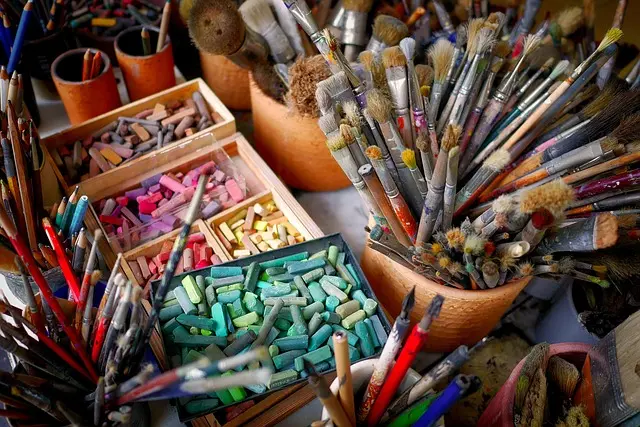
Before you can find your specific voice, it’s essential to explore various artistic mediums. Try painting, digital art, sculpting, photography, or any other form that piques your interest. An artist's style can vary significantly across different mediums. For instance, Vincent van Gogh found distinct styles in oil painting and sketching. Take a few weeks to focus on each medium without the pressure of producing final pieces. This experimentation phase allows you to discover what feels most natural to you.
3. Reflect on Influences and Inspirations
Your artistic influences play a significant role in shaping your style. Create a vision board that showcases artists you admire, artworks you resonate with, and themes that inspire your creativity. This board should visually represent your artistic aspirations. As mentioned by Artspace, 52% of artists report that their favorite artists have directly influenced their work. Take time to analyze how these influences manifest in your creations. Identify the elements you want to incorporate into your own style, but remember to keep your personal touch.
4. Develop a Routine and Ritual
An effective way to refine your artistic voice is by establishing a routine. Dedicated time for art can bring consistency and urgency to your practice. According to a study published in the Journal of Art & Design, artists who practice regularly tend to develop their styles more quickly. You can create a daily or weekly schedule allocating specific times for practice, sketching ideas, or even brainstorming concepts. It’s a space where inspiration can freely flow without judgment, leading to authentic expression.
5. Seek Feedback and Engage with Community
Sharing your work can be daunting, but feedback is invaluable in the journey of finding your voice. Engage with fellow artists, either online or in person. Join forums, attend workshops, or participate in local art groups. Art galleries often host open critique sessions where you can receive constructive criticism. A survey by The International Art Critics Association indicated that 63% of artists believe community feedback notably contributes to their artistic development. This engagement fosters growth and may reveal aspects of your work that you hadn’t considered.
📺 Resource Video
> 📺 For further exploration: Finding Your Artistic Voice, featuring tips and experiences from established artists. Search on YouTube: "finding your artistic voice and style".
Comparison Table of Artistic Exploration Methods
| Method | Benefits | Downsides | Verdict |
|---|---|---|---|
| Experimentation | Unlocks new skills; discovery of passion | Time-consuming; possible frustration | Essential for growth |
| Feedback engagement | Insightful critiques and connections | Vulnerability to criticism | Highly beneficial |
| Routine development | Consistency builds confidence | Can become repetitive | Key for discipline |
| Inspiration boards | Visual guidance; clarity of vision | May lead to imitation | Great for motivation |
| Term | Definition |
|---|---|
| Artistic Voice | The unique way an artist expresses thoughts and emotions through their art. |
| Medium | The materials or methods used to create artwork. |
| Feedback | Constructive criticism or comments provided by peers or mentors to improve art. |
🧠 Quick Quiz: What is the first step to finding your artistic voice?
- A) Establish a routine
- B) Experiment with different mediums
- C) Create an inspiration board
Answer: B — Experimentation allows you to find what resonates with you the most.
In summary, finding your artistic voice and style requires a combination of self-discovery, experimentation, and open engagement. Remember that this journey is uniquely personal and may take time. Embrace it wholeheartedly, and let your art reflect your individuality!
📺 Pour aller plus loin : finding your artistic voice and style sur YouTube