Table of Contents (10 sections)
Cultivating your artistic practice is essential for personal and professional growth as an artist. In 2026, the competition in the creative space has intensified, making it necessary to develop a unique approach that resonates with your audience. This article outlines five essential steps to help you enhance and sustain your artistic journey, enabling you to not only refine your skills but also establish a meaningful connection with your work and your audience.
1. Define Your Artistic Vision
To cultivate your artistic practice effectively, you must first define your artistic vision. What themes captivate you? What emotions do you wish to evoke in your audience? Taking the time to articulate your vision helps you remain focused and intentional in your work. Consider using a vision board to visualize your goals, inspirations, and aspirations. Document any revelations you have about your style and interests. Artists like Pablo Picasso and Frida Kahlo thrived by maintaining a clear vision, allowing their unique perspectives to shine through their art. By creating a personal manifesto, you can also outline what drives you as an artist.
2. Establish a Consistent Practice
The adage "practice makes perfect" holds especially true in the realm of art. Establish a regular routine that accommodates your lifestyle while allowing you to create consistently. This could mean dedicating specific hours each day or setting aside weekend time for focused artistic endeavors. Research by the National Endowment for the Arts indicates that consistent practice not only enhances skills but also increases confidence among artists, leading to more authentic creations. To stick to your schedule, consider using tools like calendars or apps to set reminders. The goal is to engage with your art daily—even in small ways—to develop a rich and rewarding practice over time.
3. Seek Feedback and Collaboration
Creating art in isolation can limit your perspective. Actively seek feedback from peers, mentors, and your audience. Constructive criticism can help identify areas for growth and inspire fresh ideas. Collaboration with other artists can also expand your creative horizons; working alongside diverse talents fosters innovation and sparks new techniques. Participate in local workshops or online platforms where artists share their work. Engaging with groups such as ArtStation or Behance can offer valuable insights and peer connections that encourage development. Receiving feedback allows you to refine your practice and reassures you that you’re on the right track while enhancing your artistic growth.
4. Embrace Continuous Learning
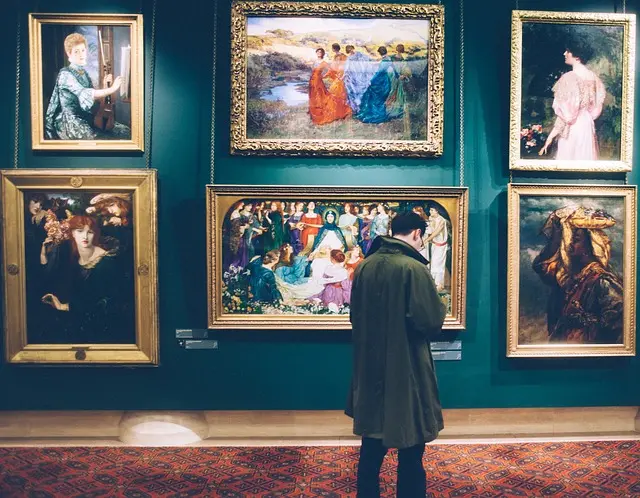
Art is an evolving field with endless avenues to explore. By embracing a mindset of continuous learning, you can keep your practice fresh and exciting. Attend workshops, enroll in online courses, or simply follow tutorials to learn new techniques. For instance, platforms like Skillshare and Coursera provide numerous resources that cater to every artistic discipline. According to a 2025 study from The Art Institute, artists who regularly engage in learning new skills reported feeling more inspired and productive in their work. Moreover, attending art exhibitions and lectures can provide insights into contemporary trends, allowing you to contextualize your practice within the broader artistic landscape.
5. Foster an Online Presence
In today's digital age, an online presence is crucial for artists looking to share their work and connect with a wider audience. Develop a professional portfolio website showcasing your artwork, artist statement, and resume. Utilize social media platforms like Instagram and Pinterest to share your work, engage with followers, and join creative communities. A dedicated website not only serves as a central hub for your work but also increases your visibility. As per recent findings from Hootsuite, artists who actively engage online saw an increase in interest and opportunities in their careers. Remember, consistency is key; make regular posts and interact with your audience to build lasting relationships.
📺 Resource Video
> 📺 For further insights: Explore effective strategies to cultivate your artistic practice. Search on YouTube for: "how to cultivate artistic practice"
Conclusion
By following these five essential steps—defining your vision, establishing a consistent practice, seeking feedback, embracing learning, and fostering an online presence—you can cultivate a fulfilling artistic practice that evolves with you. Cultivation is not a destination but an ongoing process; each step contributes to your growth as an artist and enriches your creative journey.
Checklist for Cultivating Your Artistic Practice
- [ ] Define your artistic vision clearly.
- [ ] Set a consistent practice schedule.
- [ ] Seek feedback from peers and collaborators.
- [ ] Enroll in workshops or online courses.
- [ ] Build and maintain your online portfolio.
Glossary
| Term | Definition |
|---|---|
| Artistic Vision | Your personal approach and style that influences your work and themes. |
| Continuous Learning | The ongoing pursuit of knowledge and skills to enhance your artistic abilities. |
| Online Presence | The representation of an artist’s work and identity in digital spaces. |
---
📺 Pour aller plus loin : how to cultivate artistic practice sur YouTube