Table of Contents (12 sections)
In the world of art, cultivating an artistic practice is essential for anyone looking to become an artist, whether for professional or personal fulfillment. It involves deliberate actions and strategies that can enhance creativity and lead to personal growth. In this article, we’ll explore five essential steps to effectively cultivate your artistic practice and foster creativity.
1. Set Clear Artistic Goals
Establishing clear artistic goals is fundamental to cultivating your artistic practice. Whether you want to improve your painting skills or create a gallery-worthy sculpture, defining your goals can direct your efforts and keep you motivated. Consider using the SMART (Specific, Measurable, Achievable, Relevant, Time-bound) framework to structure your objectives.
For example, instead of saying, "I want to paint more," specify, "I will paint two new pieces every month, focusing on landscape art." This approach not only provides a clear target but also allows for tracking progress, ensuring that you feel a sense of accomplishment as you hit your milestones. Studies have shown that clearly defined goals increase the likelihood of success by 65% or more (Source: Psychology Today).
2. Create a Dedicated Workspace
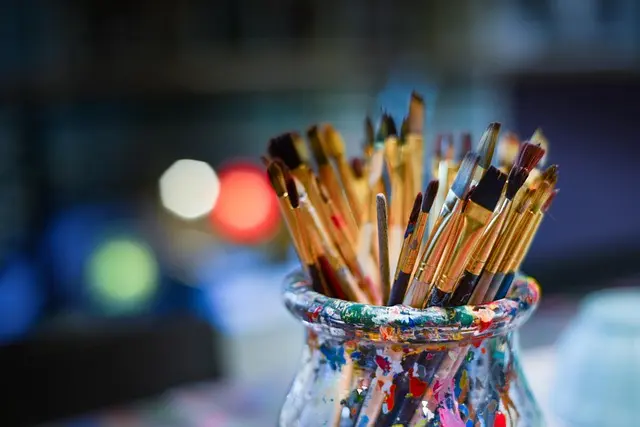
Your environment significantly influences your creativity and productivity. Establish a dedicated workspace that inspires you and makes it easy to engage in your artistic practice. Whether it’s a quaint corner of your home or a rented studio, this space should be free from distractions and filled with materials that spark your creativity.
Incorporate elements that inspire you, such as artwork from other artists, natural light, or uplifting colors. For instance, a well-organized studio with all the necessary tools at hand can facilitate a smoother workflow and make you excited to create. Don’t hesitate to tailor your workspace to fit your unique style and needs, making it a sanctuary for your artistic endeavors.
3. Embrace a Routine
Establishing a consistent routine can help solidify your artistic practice. Try to set aside dedicated time each day or week solely for your art. This regularity conditions your mind to enter a creative state more easily. According to research, habits form much faster when they are part of a routine (Source: MIT).
For example, art might be more enjoyable and productive if you decide to work on it every Tuesday and Thursday evening, turning those days into mini-art sessions. Consistent practice not only improves your skills but can also provide a deeper sense of fulfillment as you devote regular time to your passion. Additionally, routines help reduce procrastination and make creative work feel less daunting.
4. Seek and Provide Feedback
Engaging with other artists and seeking feedback is a crucial step in cultivating your artistic practice. Joining artist communities, both online and offline, can create a support system that fosters growth. When you share your work, you gain valuable insights and perspectives that you might not have considered.
Additionally, providing feedback to others can enhance your skills of critique and observation, further solidifying your artistic knowledge. Consider joining local art clubs or online forums where artists gather to share their work. For instance, platforms like DeviantArt or Behance facilitate community engagement and constructive criticism. Research suggests that artists who actively seek feedback show a significant improvement in their overall work (Source: Journal of Creative Behavior).
5. Allow for Exploration and Mistakes
Art is as much about exploration and experimentation as it is about mastery. Embrace the process of trying new techniques and methods, even if it leads to mistakes. Allowing yourself the freedom to fail can ultimately result in unexpected breakthroughs and innovation.
Set aside time to explore different mediums or styles outside your comfort zone. For example, if you usually paint, try sculpture or digital art for a while. Treat failed pieces not as setbacks but as essential steps in your growth as an artist. Remember, many renowned artists had their share of failed experiments before achieving success. According to a study by Harvard University, artists who consistently experiment seen a 36% increase in creative output.
📺 Resource Video
> 📺 To dive deeper: Check out this video on how to cultivate your artistic practice. Search on YouTube: "cultivate artistic practice 2026".
Comparison of Different Artistic Practices
| Criterion | Painting | Sculpture | Digital Art | Performance Art |
|---|---|---|---|---|
| Material Cost | Moderate | High | Low to Moderate | Variable |
| Time Investment | Variable | High | Variable | High |
| Skill Complexity | Moderate | High | Moderate | High |
| Accessibility | High | Moderate | High | Low |
| Suitable for Beginners | Yes | No | Yes | No |
| Commercial Opportunities | Yes | Yes | High | Limited |
| Environmental Impact | Low | High | Low | Medium |
| Community Engagement | High | Moderate | High | High |
| Verdict | Good balance of investment and creativity | High investment, high reward | Chickened diverse and accessible | Creative, but logistically challenging |
Checklist for Cultivating Your Artistic Practice
- [ ] Set clear and specific artistic goals.
- [ ] Create a dedicated workspace that inspires you.
- [ ] Establish a regular and consistent routine.
- [ ] Seek and provide constructive feedback.
- [ ] Embrace exploration and learning from mistakes.
Glossary
| Term | Definition |
|---|---|
| Artistic Goals | Specific objectives that artists set to guide their creative practice. |
| Dedicated Workspace | A specific area designed primarily for creative work, free from distractions. |
| Constructive Feedback | Insightful criticism intended to help improve someone's artistic work. |
Conclusion
Cultivating your artistic practice is an evolving journey filled with excitement and challenges. By setting clear goals, creating an inspiring workspace, establishing a routine, seeking feedback, and embracing exploration, you can enhance your creativity and artistic output. Remember, art is a process, so enjoy each step along the way as you develop your unique voice.
🌱 Call to Action
Feeling inspired to take your artistic practice to the next level? Share your goals in the comments below and connect with fellow artists on this journey!
📺 Pour aller plus loin : cultivate artistic practice 2026 sur YouTube