Table of Contents (9 sections)
Understanding Your Artistic Journey
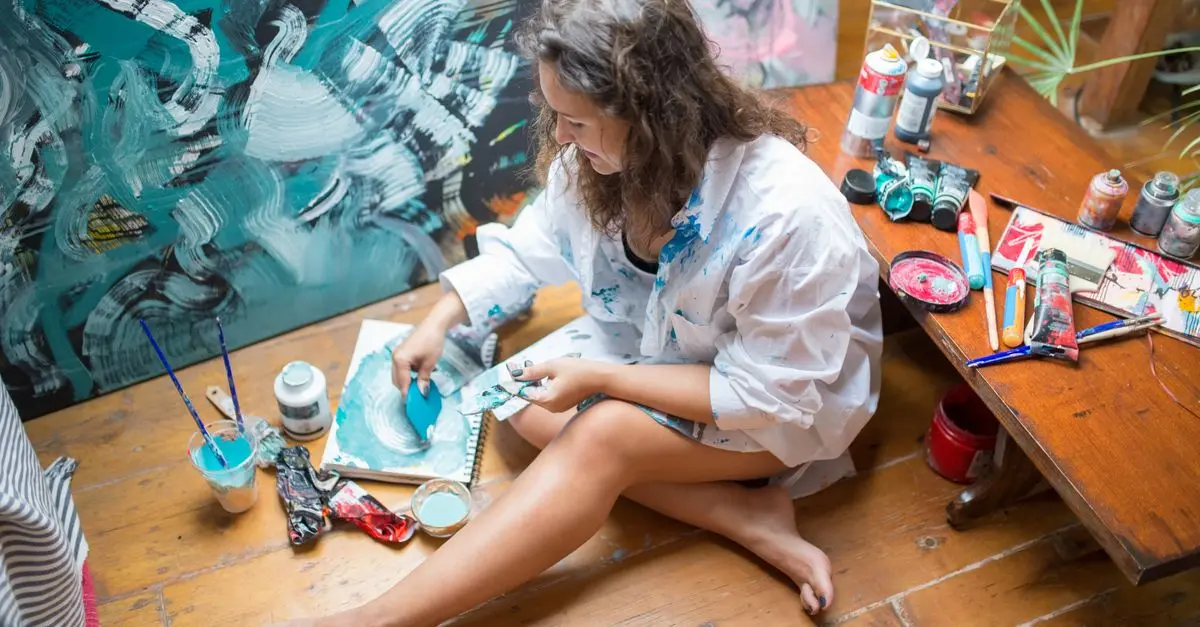
An artistic journey represents the personal and creative growth that an individual experiences while pursuing artistic endeavors. It's about more than just skill development; it encompasses emotional and cognitive growth, as artists express themselves through various forms. This journey can be influenced by personal experiences, cultural backgrounds, and the desire to communicate through art. Understanding the significance of this journey is crucial as it lays the foundation for authenticity in your work. Researchers often cite that creatives who reflect on their journey tend to produce more compelling and relatable artwork, enhancing their overall credibility and connection with their audience.
Step 1: Embrace Creativity
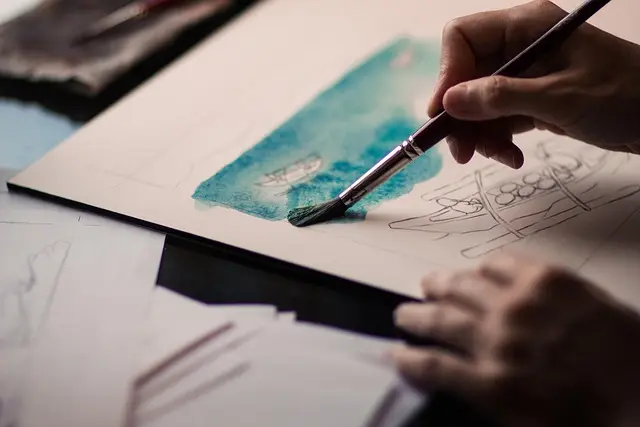
The first step in cultivating your artistic journey is to embrace creativity without reservations. Creativity is not limited to artists; it's a skill that everyone can nurture. According to a study by UCLA, engaging in creative activities reduces stress and can increase overall happiness. Start by allowing yourself to explore different mediums – whether it's painting, writing, or music. This exploration should be non-judgmental; allow your instincts to lead. One effective way to embrace creativity is through a daily journaling practice. Set aside time to jot down or sketch ideas, thoughts, or reactions to the world around you. This practice not only warms up your creative muscles but also provides insight into your progress and growth over time.

Deadwood Trading Skavoovie - Soft Wool Felt Pork Pie Hat - Large / Black
hatcountry.com


CORE365 - CE890 - Men's Journey Summit Hybrid Full - Zip - Black/ Black - L
clothingshoponline.com
Step 2: Define Your Goals
Once you have embraced your creativity, it's essential to define your goals. This step can transform your artistic journey from a vague direction into a purposeful path. Start by asking yourself questions: What do you want to achieve? Are you looking to exhibit your work, improve your skills, or simply explore your artistic expression? Establishing clear, achievable goals can help guide your daily practice and decisions. For example, instead of a broad goal like "becoming a better artist," aim for something specific, like "completing one painting each month." This specificity allows for measurable progress, and you'll be able to celebrate small victories. Moreover, writing these goals down and revisiting them can provide motivation and clarity when the path gets tough.
Step 3: Practice Regularly
Practicing regularly is vital in honing your skills and fostering growth in your artistic journey. Dedicating time each day or week to engage with your art can yield significant improvements over time. Studies by the National Endowment for the Arts show that consistent practice can lead to greater proficiency and innovation. Consider setting up a routine where you dedicate certain hours solely for practice. You don't have to produce a masterpiece each time; even doodling or experimenting with new techniques counts! Vary your practice by incorporating exercises, such as studying the works of established artists you admire, or joining online classes to learn new skills. The key is to keep the process enjoyable and pressure-free.
Step 4: Seek Feedback
An often overlooked yet crucial step is to seek feedback on your work. Constructive criticism from peers or mentors can provide new perspectives that can enhance your creativity and technical abilities. Try sharing your work in a local art group or online platform where other artists can view and offer their insights. According to Art21, artists who actively seek feedback can often pinpoint areas for improvement faster than others. However, remember to choose your sources wisely; feedback should come from individuals who can provide honest and helpful critiques. Develop a habit of discussing your work openly and being receptive to suggestions. Engage with those who might have more experience or different skill sets, as their input could illuminate new paths for exploration in your artistic pursuits.
Step 5: Create a Supportive Community
The final step is to create or join a supportive community. Having a network of like-minded individuals can be incredibly motivating and validating in your artistic journey. Engaging with other creators allows for resource sharing, collaboration, and emotional support. You might want to consider joining local art collectives, online forums, or clubs focusing on specific types of art. A study published in the Journal of Art and Design highlighted that artists in communities show increased retention and satisfaction levels due to shared encouragement. The connections you build can lead not only to personal growth but also to opportunities such as exhibitions, workshops, and collaborative projects.

CORE365 - 78190 - Women's Journey Fleece Jacket - Classic Navy - S
clothingshoponline.com

Checklist before starting your artistic journey
- [ ] Embrace your creativity daily.
- [ ] Define clear and actionable goals for your artistic pursuits.
- [ ] Establish a regular practice schedule.
- [ ] Seek constructive feedback regularly.
- [ ] Build a supportive network of fellow artists.
Glossary
| Terme | Définition |
|---|---|
| Artistic Journey | The process of personal and creative growth through artistic endeavors. |
| Creative Process | The unstructured set of actions taken to produce art, emphasizing innovation and exploration. |
| Constructive Criticism | Feedback aimed at improving an artist's work, focusing on strengths and areas for growth. |
> 📺 To go further: Explore the key insights on artistic development and community engagement. Search for: "artistic journey tips 2026".
🧠 Quick Quiz: What is the most important step for fostering creativity?
- A) Practicing Regularly
- B) Defining Goals
- C) Seeking Feedback
Answer: A — Regular practice instills creativity by maintaining an active engagement with art.
📺 Pour aller plus loin : artistic journey development 2026 sur YouTube
Recommended products
Selected by our experts