Table of Contents (20 sections)
Embarking on an artistic practice can feel overwhelming, yet it is a journey filled with potential and excitement. Whether you’re interested in painting, sculpture, writing, or any other form of art, starting involves understanding the foundational steps to nurture your creativity and skills. In this article, we’ll outline five essential steps to help you initiate and develop your unique artistic journey.
1. Define Your Artistic Vision
What Does It Mean to Have an Artistic Vision?
Your artistic vision is the cornerstone of your artistic practice. It reflects your values, interests, and what you hope to express through your art. To define this vision, consider what resonates with you. What themes, subjects, or feelings do you want to explore? Think about artists who inspire you and why their work affects you.
Tips to Refine Your Vision
- Create a mood board: Compile images, colors, and styles that inspire you.
- Keep a journal: Write down your thoughts and emotions about your art journey, reinforcing your vision.
- Experiment: Try different mediums to see what aligns with your artistic instincts.
2. Develop a Regular Practice Schedule
The Importance of Consistency
In the realm of art, developing consistency is crucial. Establishing a regular practice schedule helps you refine your skills and cultivate discipline. Aim for short, focused sessions if you're just starting, gradually increasing your time as you become more comfortable.
How to Create Your Schedule
- Set specific days and times: Choose when you will dedicate time to your art each week.
- Start small: Commit to 30 minutes, three times a week to build the habit.
- Remain flexible: Adapt your schedule as you discover what times work best for your creativity.

tasc : Sculptive Practice Set- Black - Size XL in XL - tasc Performance
tascperformance.com
tasc : Sculptive Practice Set- Black - Size XL in L - tasc Performance
tascperformance.com
tasc : Sculptive Practice Set- Black - Size S in XL - tasc Performance
tascperformance.com
3. Invest in Quality Materials
Why Quality Matters
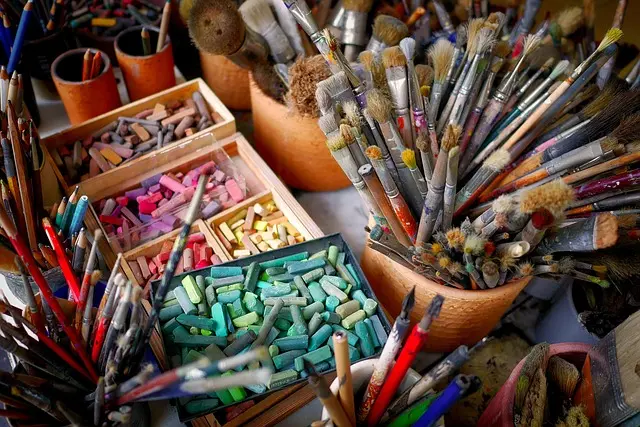
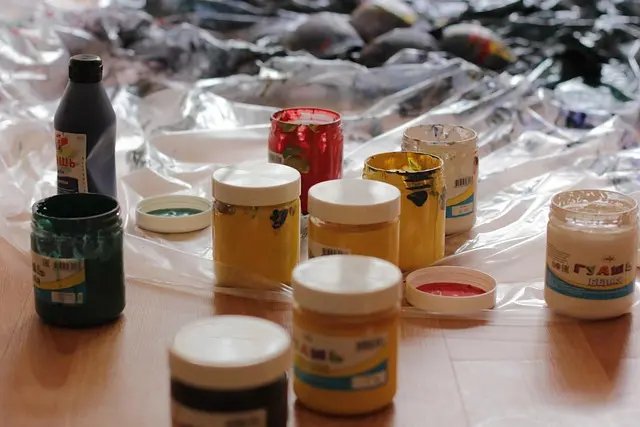
Investing in quality materials can significantly enhance your artistic practice. Quality tools can improve your experience and the outcome of your work. While it’s tempting to skimp on supplies, especially when just beginning, consider that quality often affects your ability to express your creativity fully.
Suggested Materials to Consider
- Adequate brushes or tools for your specific medium.
- High-quality paper or canvases that complement your style.
- An organized workspace to make art-making more enjoyable.
4. Seek Feedback and Community
The Value of External Perspectives
Receiving feedback is especially beneficial for artists. Sharing your work with trusted peers helps you gain valuable insights and can show you areas for improvement you may have missed. Community engagement also enhances motivation and provides a network of support.
How to Engage with Other Artists
- Join local art groups or clubs.
- Participate in online platforms like forums and social media dedicated to art.
- Attend workshops or exhibitions for fresh inspiration and connection with other artists.
5. Embrace Imperfection and Growth
Understanding the Artistic Journey
Finally, accept that your artistic journey will be filled with ups and downs. Mastery takes time, and each piece is an opportunity to learn, even failures offer lessons. Focus on growth rather than perfection.
Practical Approaches to Embrace Imperfection
- Keep a ‘failed’ piece to revisit and see your growth over time.
- Document your process: Regularly reviewing your practice can highlight your progress and evoke a sense of achievement.
- Take breaks: Allowing yourself time away from art can foster new perspectives and creativity.
📺 Resource Video
> 📺 For deeper insights: How to Cultivate Your Artistic Practice, a comprehensive guide on initiating and sustaining a creative journey. Search on YouTube: "Tips for starting your artistic practice 2026".
Glossary
| Terme | Définition |
|---|---|
| Artistic Practice | A dedicated method of engaging with art that enhances creativity, technique, and personal expression. |
| Artistic Vision | The unique perspective and themes an artist aims to explore through their art, driving their creative decisions. |
| Community Engagement | Involvement in social networks or groups that provide support, feedback, and collaboration opportunities for artists. |
Checklist before Starting
- [ ] Define your artistic vision
- [ ] Create a consistent practice schedule
- [ ] Invest in quality materials
- [ ] Seek feedback from peers
- [ ] Embrace the process of growth
Conclusion
By following these five essential steps, you’ll be able to cultivate a meaningful and enriching artistic practice. Remember to enjoy the journey, share your experiences, and stay curious. Now, you’re ready to begin your artistic adventure!
🧠 Quick Quiz: What is one of the best ways to refine your artistic vision?
- A) Ignore feedback
- B) Create a mood board
- C) Stick to one style forever
Answer: B — A mood board helps visualize and solidify your artistic ideas.
📺 Pour aller plus loin : Tips for starting your artistic practice 2026 sur YouTube
Recommended products
Selected by our experts
tasc : Sculptive Practice Set- Black - Size XL in XL - tasc Performance
tascperformance.com
This sculptive practice set is ideal for artists seeking versatility and comfort while working on their creative projects.
tasc : Sculptive Practice Set- Black - Size XL in L - tasc Performance
tascperformance.com
Designed to move with you, this sculptive set supports various artistic activities, enhancing your creative workflow.
tasc : Sculptive Practice Set- Black - Size S in XL - tasc Performance
tascperformance.com
A perfect choice for artists of all levels, this set provides essential tools that help facilitate a productive artistic practice.