Table of Contents (15 sections)
Embarking on an artistic journey can be an exhilarating yet daunting task. Whether you're yearning to paint, draw, sculpt, or engage in any other form of artistic expression, understanding how to begin is crucial. This guide outlines five essential steps that can help you successfully launch your artistic journey, enabling creativity to flouris.
1. Understand Your Passion
Before diving into the world of art, it's essential to define what art means to you personally. Do you feel drawn to painting, digital art, photography, or sculpting? Assessing your passion will not only guide your choices of medium but also enhance your commitment to learning. Take some time to explore different styles and techniques. For instance, if you love nature, landscapes might be your preferred subject. By understanding your passions, you will cultivate a more meaningful artistic experience.
2. Gather Your Supplies
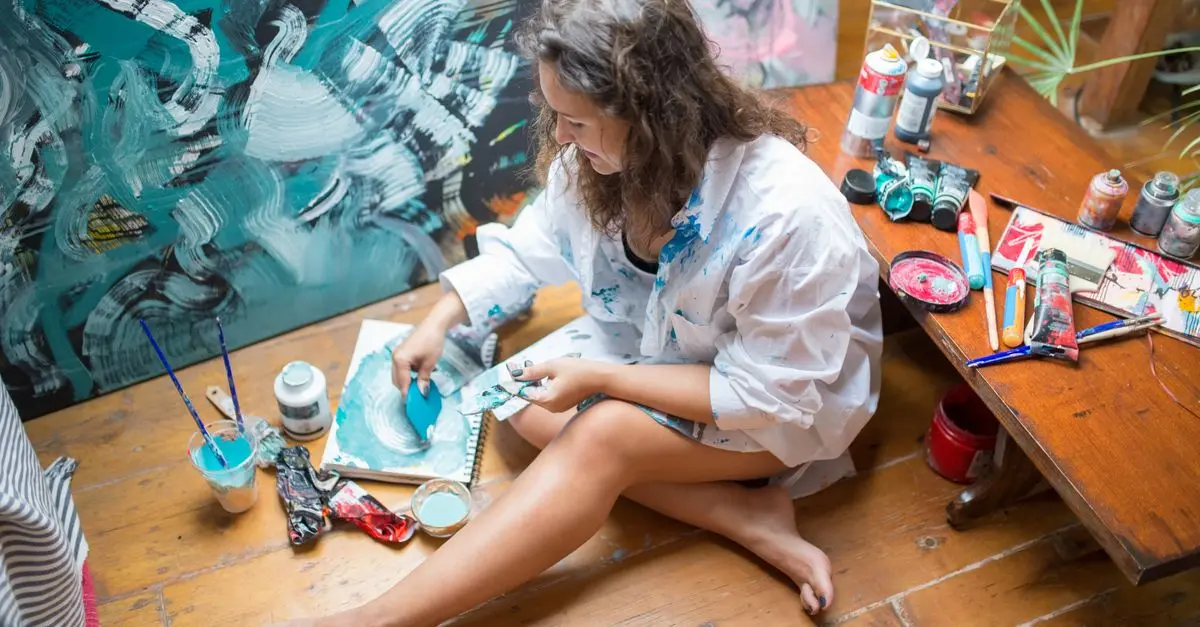
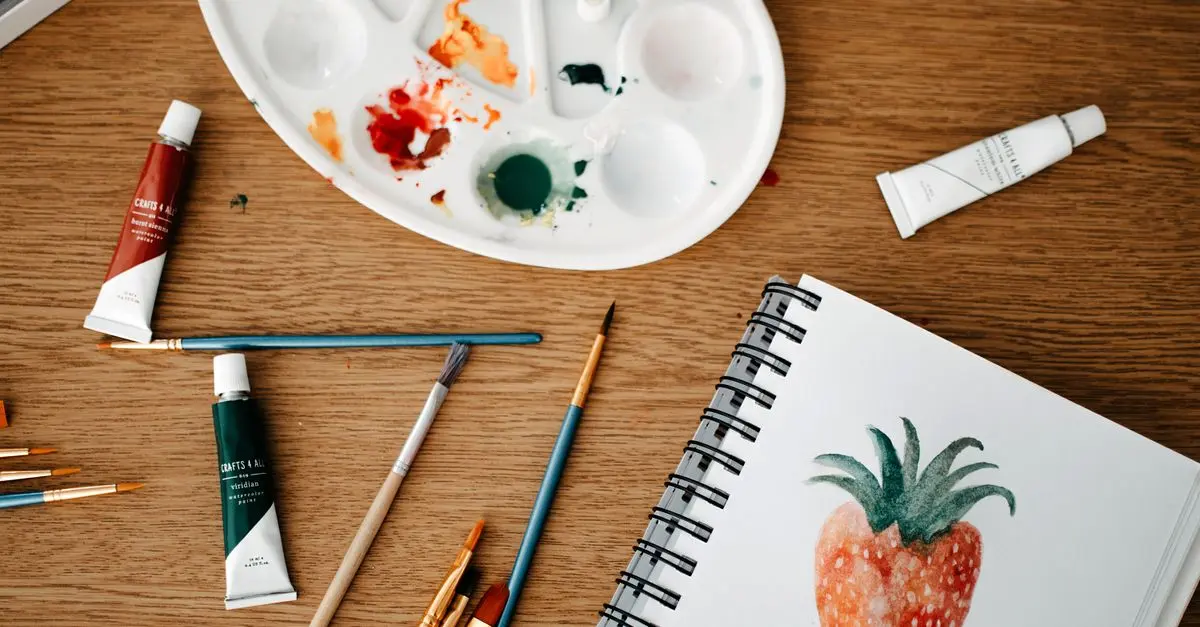
Once you know what art form resonates with you, it's time to gather the necessary supplies. Your initial investment doesn’t have to be substantial, but having quality materials can significantly impact your creative process. Consider starting with the basics. For example, if you're leaning towards drawing, all you might need are some sketch pads, pencils, and maybe even colored pencils or markers. Investing in the right tools will make your practice enjoyable. Remember to explore various options available at local art stores or online platforms. We have selected several products that can help you get started on the right foot.
3. Learn the Basics
Regardless of whether you're a complete novice or someone with some experience, brushing up on the fundamentals is critical. Online courses, tutorials, and art classes can serve as excellent resources. Many platforms offer free or affordable art classes led by experienced instructors. Learning techniques such as color theory, composition, and perspective can significantly enhance your skills. For example, understanding how to use light and shadow can add depth to your artwork. This foundational knowledge will empower you to express your creative vision effectively.
4. Find Inspiration
Inspiration is often the fuel that ignites the creative process. Engage with the works of established artists or peers in your field. Visiting local art museums, participating in community art groups, or joining online forums can provide a wealth of creative inspiration. Websites like Pinterest and Instagram can also connect you to diverse artwork and artistic communities. By actively seeking inspiration, you can immerse yourself in the artistic world, broadening your horizons while gathering ideas for your own pieces. Remember, every artist has their unique style; don’t be afraid to borrow ideas and blend them into your expression.
5. Create, Reflect, and Iterate
Now that you’ve understood your passion, gathered supplies, learned the basics, and sought inspiration, it’s time to create! Understand that the process of creating art is just as important as the final piece. Don’t be afraid to make mistakes. Instead, welcome them as part of your learning curve. After creating your art, reflect on what worked well and what could be improved. Continuous reflection and iteration will allow your skills to evolve. For instance, if you experimented with a specific technique, evaluate how it enhanced or hindered your work. This practice will lead you to develop your artistic style over time.
Comparison of Artistic Supplies
| Criteria | Option A | Option B | Option C | Verdict |
|---|---|---|---|---|
| Price | Affordable | Mid-range | Premium | Choose based on budget |
| Quality | Good | Very Good | Excellent | Prioritize quality |
| Variety | Limited | Moderate | Extensive | More options are better |
| Ease of Use | Beginner-friendly | Suitable for all levels | Requires experience | Start simple |
Frequently Asked Questions (FAQ)
Q1: What supplies do I need to start painting?
A1: Basic supplies for painting typically include paints, brushes, a palette, and canvas or paper. Start simple and build your collection as you progress.
Q2: How do I find my artistic style?
A2: Experimenting with various mediums and techniques can help you discover what resonates with you. Reflect on your actions and consistently practice.
Q3: Can I learn art online?
A3: Yes, many platforms offer high-quality courses. Websites like Coursera, Skillshare, and YouTube provide numerous resources to learn at your own pace.
Q4: What should I do if I feel unmotivated?
A4: Revisit your sources of inspiration, set small, achievable goals, or take breaks. Often stepping away can rejuvenate your creativity.
📺 For further exploration: Understanding Different Art Mediums is a detailed overview on YouTube that examines the various styles of art and the materials needed. Search for: art techniques and inspiration 2026.
Glossary
| Term | Definition |
|---|---|
| Medium | The material or technique used by an artist to create their artwork, e.g., oil paint, clay. |
| Composition | The arrangement of elements within a work of art, including balance and visual flow. |
| Color Theory | A set of principles used to understand how colors interact and affect one another. |
Checklist before you begin
- [ ] Identify your passion for art.
- [ ] Gather essential supplies.
- [ ] Learn the basics through courses or tutorials.
- [ ] Seek inspiration from other artists.
- [ ] Start creating and reflecting on your work.
As you embark on your journey, remember that every artist was once a beginner. Embrace your creativity and enjoy the process of self-discovery. Get started today! Plus, don't forget to check out our recommended products below to help you begin your artistic adventure.
📺 Pour aller plus loin : art techniques and inspiration 2026 sur YouTube