Table of Contents (15 sections)
In the journey of becoming an artist, one of the most crucial elements is to develop your unique artistic style. This style not only reflects your personality and perceptions but also sets you apart in the saturated art world. Whether you're a painter, photographer, or digital artist, cultivating a distinct style is essential for success and recognition. In this article, we explore ten actionable strategies to refine your artistic voice and express yourself authentically.
1. Embrace Experimentation
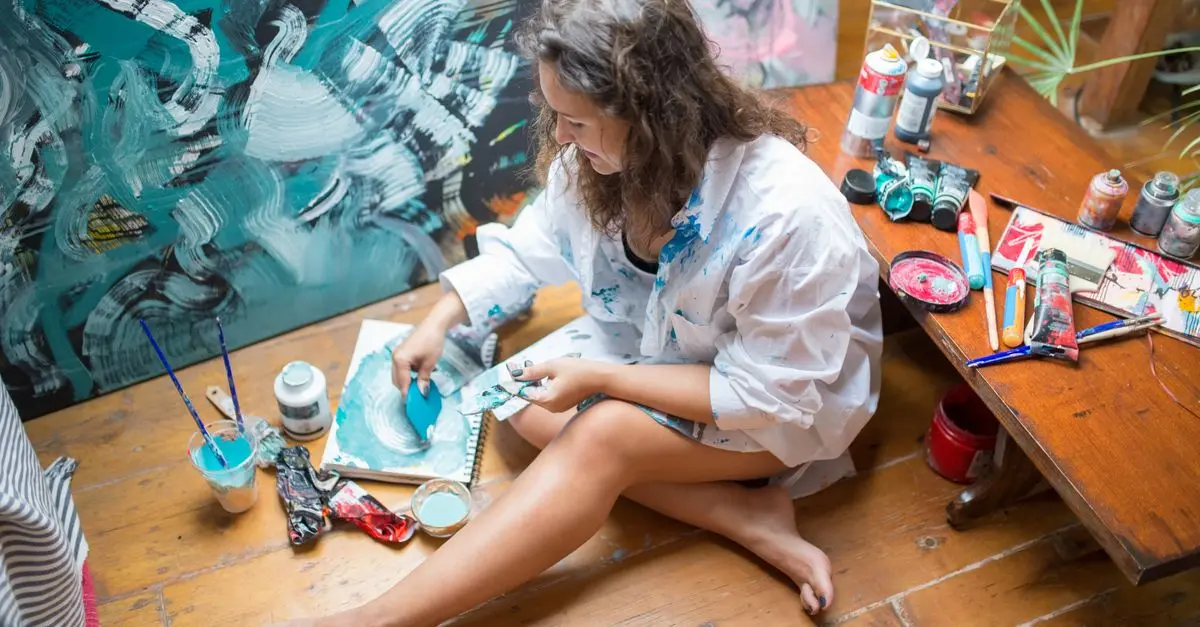
To develop your unique artistic style, start by embracing experimentation. Try different mediums, techniques, and subjects. Don't be afraid to push the boundaries of what is comfortable for you. For instance, if you're a watercolor painter, consider experimenting with acrylics or digital art. By introducing new elements into your practice, you may discover facets of your artistic identity that you never knew existed. Remember, every great artist has gone through a phase of exploration before finding their signature look.
2. Study the Greats
Studying artists who inspire you can provide invaluable insights into developing your unique style. Analyze works from renowned artists such as Vincent van Gogh, Pablo Picasso, or contemporary figures like Yayoi Kusama. Pay attention to their use of color, brush strokes, and composition. Make notes on what aspects resonate with you and consider how you can incorporate similar techniques into your work while still maintaining your individuality. This approach can help you understand the elements necessary to create an impactful piece while paving your own artistic path.
3. Create a Mood Board
A mood board can be a powerful tool for visual artists looking to hone their unique style. Gather images, color swatches, textures, and other elements that reflect your artistic voice. Platforms such as Pinterest or Adobe Spark can help you curate a digital collection that embodies your vision. Not only does this serve as an inspirational tool, but it also clarifies your artistic goals and direction. Reviewing your mood board regularly can keep you aligned with your style journey.
4. Seek Critical Feedback
While developing your artistic style is a personal journey, seeking feedback from others can be enlightening. Join art communities, attend workshops, or participate in critique sessions where you can share your work. Constructive criticism helps you see your art from different perspectives, illuminating strengths and areas for improvement. Engaging with others can also provide motivation and encouragement, helping you continue to evolve as an artist.
5. Reflect on Your Influences
Understanding what influences you can significantly aid in developing your unique artistic style. Take time to reflect on your background, experiences, and favorite artists. Consider how these influences shape your work. For example, if a particular culture or nature inspires you, find ways to translate these themes into your creations. Your unique story should be at the forefront of your style, allowing viewers to connect with your personal narrative.
6. Practice Consistently
Consistency is key when it comes to refining your artistic style. Make a commitment to practice regularly, even if it's just for short bursts each day. Create a daily or weekly routine that includes time dedicated to exploring new ideas and refining existing techniques. Over time, this practice will lead to improvement and a clearer expression of your individuality in your art. The more you create, the more your unique artistic style will emerge.
7. Take Breaks
Ironically, stepping away from your art for a while can help you develop your unique artistic style. Breaks allow for mental refreshment and often bring new insights or perspectives. During these periods, pay attention to your thoughts and inspirations that arise. This time can also serve as a valuable opportunity to explore other interests, which can feed back into your art. Engaging with different activities can spark new ideas or shift how you approach your work.
8. Analyze Current Trends
Staying informed about current trends in the art world can offer insight into what resonates with audiences today. However, while analyzing trends, be cautious not to conform strictly to them. Identify elements that appeal to your style and think critically about how to adapt them to fit your artistic vision. This balance between awareness of trends and personal expression can help craft a relevant yet distinctive artistic style.
9. Document Your Progress
Keeping a visual journal or sketchbook can help you track your artistic growth over time. Include sketches, completed works, and notes on your thoughts. By documenting your progress, you not only have a way to reflect on your development, but it can also inform your future work. Revisiting past art can reveal patterns, strengths, and even areas where you have evolved, guiding your exploration of your unique style further.
10. Collaborate with Others
Collaborating with other artists can provide fresh perspectives and creative interactions that enrich your work. Engage in projects that encourage the blending of different styles, whether it’s teaming up for a painting, participating in a mixed media exhibition, or even programming a workshop together. This cooperative approach can challenge your creativity and introduce new elements to your art, ultimately enhancing your unique style.
📺 Resource Video
To dive deeper into the subject of developing your unique artistic style, check out "How to Find Your Art Style" on YouTube. Search for: "find your unique art style".
Glossary
| Terme | Définition |
|---|---|
| Artistic Style | A distinctive visual expression influenced by techniques, mediums, and personal experiences. |
| Mood Board | A collage of images, colors, and textures that conveys the tone or style for a project. |
| Collaborative Art | Art created by more than one person, blending various styles and techniques. |
Checklist for Developing Your Artistic Style
- [ ] Experiment with different mediums
- [ ] Create a mood board for your inspiration
- [ ] Seek feedback from peers and mentors
- [ ] Reflect on your personal influences
- [ ] Maintain a consistent practice schedule
- [ ] Take breaks to refresh creativity
- [ ] Analyze current art trends critically
- [ ] Collaborate with other artists
Conclusion
In your quest to develop your unique artistic style, remember that this journey takes time and patience. Engage with these strategies and allow your personal experiences and passions to inform your art. The beauty of being an artist lies in your individuality—embrace it, celebrate it, and let it guide your creative path.
📺 Pour aller plus loin : find your unique art style sur YouTube