Table of Contents (15 sections)
Art is more than just a hobby. It's a profound means of expression and communication that can deeply enrich our lives. To become a successful artist, developing your artistic skills is crucial. This article outlines 10 proven steps to develop artistic skills effectively, whether you're a beginner or an advanced artist.
1. Understand the Basics of Art
What are the essential elements of art? Before diving into complicated techniques, it’s vital to understand the basics. Familiarize yourself with line, shape, color, texture, and space. Online platforms, such as YouTube, provide numerous tutorials to help you grasp these concepts. For example, starting with how light affects color can change your approach to painting or sketching dramatically. Engaging in basic drawing exercises can enhance your capability to see and interpret these elements.
2. Practice Regularly
One cannot emphasize enough the importance of consistent practice. Setting aside dedicated time every day or week to create art can lead to noticeable improvements over time. Consider joining local art classes or online workshops where structured practice is encouraged. According to artist communities, regular practice not only improves skills but also fosters creativity. The simple act of sketching daily, even for just 20 minutes, can enhance your observational skills and artistic reflexes significantly.
Jeu créatif Djeco Artistic Aqua Perles à repasser Arc-en-ciel
Fnac FR
Sponsored by Awin Bruno
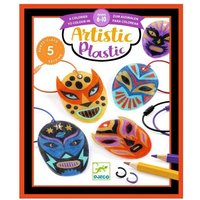
Jeu créatif Djeco Artistic Plastic Porte-clés Catcheurs
Fnac FR
Sponsored by Awin Bruno

Schwarzkopf Igora Royal Colour & Care Developer 12% 40 Vol 1000ml
DocMorris FR (ex DoctiPharma FR)
Sponsored by Awin Bruno
3. Experiment with Different Mediums
Trying out various mediums can open up exciting new possibilities in art. Whether it’s watercolors, acrylics, charcoal, or digital art, each medium has unique characteristics that can influence your artistic expression. Experimentation will not only aid in recognizing your preferences but also expand your skillset. Have you ever tried combining watercolors and ink? This blend can produce stunning effects, pushing the boundaries of how you approach your artwork.
4. Seek Feedback
Feedback is essential for development. Sharing your work with others can provide invaluable insights into areas of improvement. Consider joining online forums or local artist groups that focus on constructive criticism. Tools such as social media can help you connect with other artists and receive diverse opinions. Regularly engaging with peers encourages growth and accountability, and can help refine your technique. Remember, every critique is an opportunity to learn and grow.
5. Study Art History
Understanding the works of renowned artists and their techniques can be incredibly inspiring. Analyzing art history not only broadens your knowledge but also enhances your artistic context. Consider visiting museums or online galleries to study famous artworks. Explore how Vincent van Gogh used color and brushwork, or how Pablo Picasso approached form. Such studies can provide techniques you might adapt to your style as you develop your artistic skills.
6. Set Personal Goals
Creating specific, measurable goals can tremendously help you track progress and motivate yourself. Define what skills you want to enhance and set timelines to achieve them. For instance, aim to complete a certain number of paintings in a month or learn a new technique every week. Tracking your journey can also showcase how much you’ve improved over time, providing a deeper sense of satisfaction and motivation.
7. Take Art Classes or Workshops
Formal education can greatly improve your artistic skills. Enrolling in art classes or workshops allows you to learn from professionals and engage with fellow students. These structured settings often provide new techniques and concepts, ensuring that you’re continuously challenged. Plus, networking with other artists can lead to collaborations and friendships that enrich your artistic experience.
8. Create a Dedicated Art Space
Having a dedicated space for your creative work can significantly affect your productivity. An inspiring environment that reflects your artistic goals can make a big difference in how often you create. Ensure your space is well-lit, organized, and stocked with all the materials you need. When everything is at your fingertips, you're more likely to dive into your art rather than procrastinate.
9. Document Your Progress
Keep track of your work, reflecting on past pieces to see how far you've come. Creating a portfolio or an art journal can serve as a motivational tool and showcase your development. This self-documentation not only boosts self-esteem but also helps identify trends in your work and areas needing more focus.
10. Find Inspiration Everywhere
Inspiration is all around us; it simply requires us to look. Explore nature, architecture, or even everyday life scenarios that can spark creative ideas. Keep a sketchbook handy to quickly jot down or illustrate inspirations. Attend art fairs or community events to mingle with fellow artists and gain new perspectives on creativity and technique. The amalgamation of experiences integrates into your art, making it more authentic.
Conclusion
Developing your artistic skills is a journey that requires dedication, practice, and an open mind to experimentation. By following these 10 steps, you can enhance your creativity and become a more proficient artist over time. Remember that every artist’s journey is unique; embrace your personal process. Start today and watch your artistry flourish!
Checklist before starting your artistic journey
- [ ] Understand the basics of art
- [ ] Schedule regular practice times
- [ ] Experiment with different art mediums
- [ ] Seek feedback from others
- [ ] Study art history for inspiration
- [ ] Set personal artistic goals
- [ ] Enroll in art classes or workshops
- [ ] Create a dedicated art space
- [ ] Document your progress
- [ ] Look for inspiration in your surroundings
Glossary
| Terme | Définition |
|---|---|
| Médium | Le matériel utilisé pour créer une œuvre d'art, tel que l'acrylique ou le crayon. |
| Techniques Artistiques | Méthodes ou styles utilisés pour produire des œuvres d'art. |
| Observation Artistique | La capacité à voir et à interpréter ce qui est autour de soi pour l'intégrer dans l'art. |
> 🧠 Quiz rapide : What is the most important aspect of developing artistic skills?
> - A) Practicing daily
> - B) Finding your style
> - C) Learning from others
> Réponse : A — Consistent practice is crucial for improvement.
📺 For further reading: Explore the transformative power of consistent practice in developing artistic skills. Search on YouTube: "art practice tips 2026".
📺 Pour aller plus loin : art practice tips 2026 sur YouTube
Recommended products
Selected by our experts
Jeu créatif Djeco Artistic Aqua Perles à repasser Arc-en-ciel
Fnac FR
This creative game provides a fun way to explore artistic techniques while developing fine motor skills.
Sponsored by Awin Bruno
Jeu créatif Djeco Artistic Plastic Porte-clés Catcheurs
Fnac FR
A versatile creative set perfect for experimenting with various art styles and projects.
Sponsored by Awin Bruno
Schwarzkopf Igora Royal Colour & Care Developer 12% 40 Vol 1000ml
DocMorris FR (ex DoctiPharma FR)
This high-quality coloring product is great for advanced techniques and achieving vibrant results in your artwork.
Sponsored by Awin Bruno