Table of Contents (15 sections)
Becoming an artist is an exciting journey filled with creativity and self-expression. Whether you're aspiring to paint, draw, or design, getting started can sometimes feel overwhelming. Fortunately, I’ve compiled 10 essential tips to become an artist that will guide you through the initial stages of your artistic journey. This curated list includes practical advice, inspirational insights, and useful tools to help you unleash your creative potential.
1. Find Your Medium
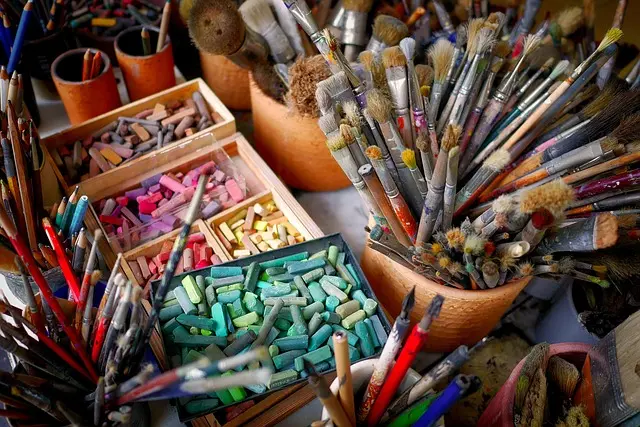
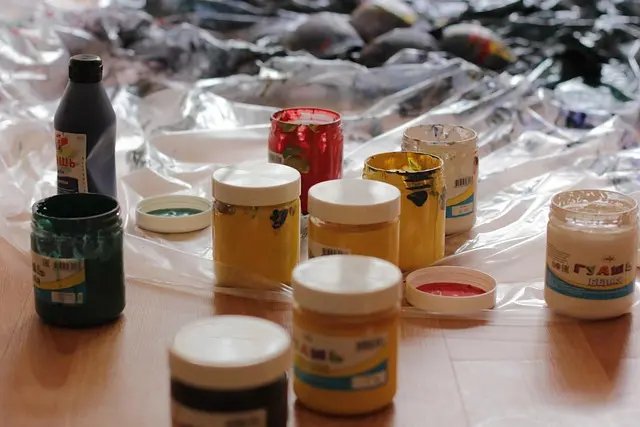
Choosing the right medium is crucial as you embark on your artistic adventure. Different mediums, such as oil paint, watercolor, charcoal, or digital, offer unique techniques and opportunities for expression. Experimenting with various media allows you to discover what resonates with you. For instance, if you love vibrant colors, watercolor may be ideal, while charcoal might suit those who enjoy dramatic contrasts. Make it a point to dedicate time to exploring and mastering chosen mediums before advancing to complex projects.
2. Create a Routine
Establishing a creative routine can greatly enhance your productivity as an artist. Allocate specific times each week dedicated to creating art. This consistency fosters a habit that can lead to improved skill development and innovation. Whether it's 30 minutes every morning or a few hours over the weekend, sticking to a routine transforms sporadic sessions into significant progress over time. Tracking your growth through a journal can also provide motivation and insight into your artistic evolution.


3. Seek Inspiration
Inspiration is everywhere, but actively seeking it out is a vital practice for any artist. Follow art blogs, visit galleries, and connect with other artists to broaden your perspective. Engaging with other forms of art, such as music or literature, can also fuel creativity. Document what inspires you—whether it’s a color scheme from nature or a unique technique from another artist. Keeping an inspiration board or a digital folder of ideas may serve as a valuable resource during your creative process.
4. Learn the Basics
Invest time in learning fundamental techniques before diving into more complex projects. As the CIA states, mastering the basics is essential; foundational knowledge about color theory, composition, and perspective can enhance your work significantly. Online courses, tutorials, and workshops are abundant and can cater to various skill levels. Additionally, studying classical techniques through books or videos can provide a distinct advantage in developing your unique style.
5. Network with Other Artists
Building a network with fellow artists can be a game-changer for your growth. Attend local art workshops, join online forums, and participate in critique sessions to connect with like-minded individuals. These interactions can provide constructive feedback, new perspectives, and potential collaboration opportunities. Moreover, networking often leads to exposure through exhibitions or local art fairs, providing a platform to showcase your work.
📺 For further exploration: Watch tutorials on artistic techniques on YouTube to enhance your skills. Research: "art techniques for beginners"


Deacon Jones Foundation - Arizona Cardinals "The Game" Fine Art Canvas Print 26" x 40" by Artist Jason Robichau
bestbuy.com

6. Embrace Mistakes
Mistakes are an integral part of the creative process. Embracing them allows you to explore without fear and discover new styles or methods. Many professional artists share stories of mishaps that turned into impressive works. By viewing mistakes as learning opportunities rather than failures, you can enhance your creative freedom and innovation. Keep a sketchbook handy for experimentation, enabling you to forge new paths without the pressure of a finished product.
7. Set Goals
Establishing specific, measurable goals can keep you motivated and focused throughout your artistic journey. Whether it’s completing a certain number of pieces each month or mastering a new technique, having clear objectives will help you track your progress. Use a planner to jot down these goals and celebrate small milestones to maintain enthusiasm. Setting deadlines can also compel you to push through creative blocks and enhance your time management skills.
8. Share Your Work
Don’t shy away from showcasing your creations. Sharing your art on social media platforms or within local art communities can garner constructive feedback and possibly attract new followers or clients. Platforms like Instagram and Pinterest allow you to reach a broader audience—shopping for your art has become common practice today. Ensure your online portfolio is up-to-date, as it serves as your digital identity as an artist, presenting your growth and style evolution.
9. Keep Learning
The journey of an artist is one of continuous learning. Take advantage of workshops, classes, or online tutorials regularly. Techniques evolve, and by staying up to date with industry trends, you’re more likely to keep your work relevant and innovative. Engage in community challenges or contests that encourage skill development and creative exploration. Many artists find joining peer critiques essential for growth, where they can share knowledge and techniques.
10. Enjoy the Process
Lastly, remember that art is a journey, not just a destination. Savor each step, no matter how small, and allow your passion for creativity to guide you. Enjoy the moments of breakthroughs and those of frustration, as both contribute significantly to your growth. The more you enjoy the process, the more authentic and gratifying your work will become.
Conclusion
By following these 10 essential tips to become an artist, you can pave the way for a fulfilling and impactful artistic journey. Each step serves to enrich your skills, broaden your horizons, and ultimately lead you to create art that speaks to you and others. Keep in mind that the adventure is uniquely yours, and every artist’s path is different. Don’t hesitate to engage deeply—your art will benefit from the passion you invest.
Checklist before starting your artistic journey
- [ ] Choose your preferred medium
- [ ] Establish a regular creative routine
- [ ] Actively seek inspiration
- [ ] Learn basic techniques
- [ ] Network with fellow artists
- [ ] Embrace mistakes
- [ ] Set specific artistic goals
- [ ] Share your work online
- [ ] Commit to continuous learning
- [ ] Enjoy the artistic process
Glossary
| Term | Definition |
|---|---|
| Medium | The materials used to create art (e.g., oil, acrylic, digital). |
| Composition | The arrangement of visual elements in a work of art. |
| Color Theory | A set of principles used to understand how colors interact. |
---
📺 Pour aller plus loin : art techniques for beginners sur YouTube
Recommended products
Selected by our experts
Bespoke Post x Connor Liljestrom Artist Tee, Smoke Break - Connor Liljestrom Official Shop Smoke Break Small Unisex
bespokepost.com