Table of Contents (23 sections)
Developing a unique artistic style is a journey that every artist undertakes as they seek to express their individuality and creativity. In 2026, as the art world becomes increasingly saturated, establishing a distinct voice is more important than ever. Here, we present ten essential tips to help you cultivate an artistic style that not only resonates with you but also connects with others.
1. Embrace Your Influences
Understanding Your Inspirations
One of the first steps in developing a unique artistic style is understanding the influences that shape your work. Look at the artists, movements, and cultures that inspire you. Make a list of your favorite artists and analyze what it is about their work that resonates with you. Is it their use of color, texture, or subject matter? Reflecting on these influences allows you to identify aspects that you can incorporate into your own style while ensuring it remains authentic to who you are.
2. Experiment with Different Mediums
Finding Your Preferred Tools
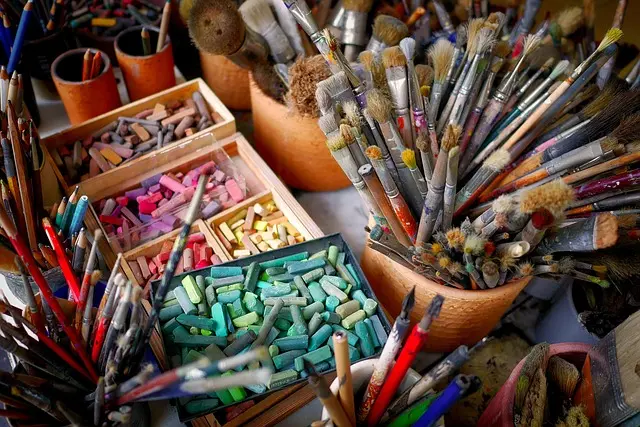
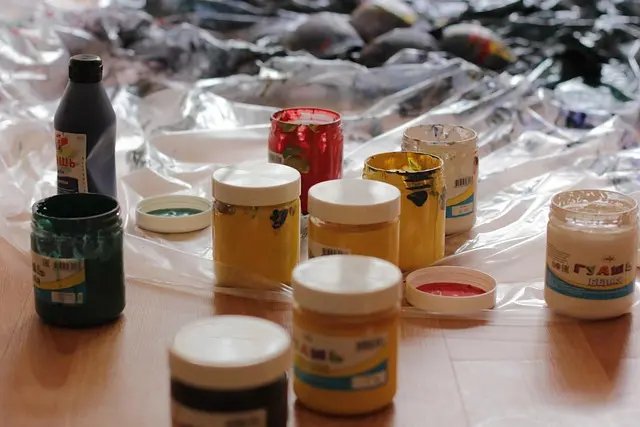
Different mediums can evoke diverse emotions and perspectives. Spend time experimenting with various materials—watercolors, oils, digital art, or mixed media. For instance, an artist may find their true calling in the textures of oil paints after initially gravitating towards watercolor. This exploration can unveil aspects of your style that you may never have realized existed. The more you experiment, the more you can blend elements to create something distinctly yours.

Deadwood Trading Skavoovie - Soft Wool Felt Pork Pie Hat - Large / Black
hatcountry.com

Homary 3D Glam Big Gold Round Wall Decor Unique Decorative Metal Home Hanging Art Living Room
homary.com

3. Develop Your Color Palette
The Power of Color
Color can be a powerful tool in defining your artistic style. Create a limited color palette that reflects your personality or the emotions you wish to convey. For example, if your work aims to evoke tranquility, softer hues may be your choice. Conversely, if you want to stir energy, brighter colors could be more appropriate. Analyzing your usage of color will not only unify your artwork but also make it instantly recognizable as yours.
4. Keep a Visual Journal
Documenting Your Creative Process
A visual journal is an invaluable asset for any artist. Use it to explore ideas, sketch concepts, and capture moments that inspire you. This practice helps in the development of your unique artistic style as you revisit and reflect on your growth. By reviewing your entries, you can identify recurring themes or styles that resonate with you and work on enhancing those aspects in your main projects.
5. Seek Feedback and Constructive Critique
The Importance of External Perspectives
Engaging with fellow artists or art communities can provide critical feedback that can enhance your artistic journey. Constructive criticism helps you to see your work through fresh eyes and gain insights into areas where you can improve or innovate. Participate in workshops, critique groups, or online forums where you can share your work and receive meaningful feedback.
6. Study Art History
Learning from the Masters
Understanding art history can provide context and inspiration for developing your style. Study various movements—from Impressionism to Surrealism—and analyze how artists of the past approached style development. Incorporating elements from different eras can inform your own unique approach and help you avoid current clichés in contemporary art. For instance, consider how Georgia O'Keeffe's work epitomized personal expression through minimalism.

GourmetGiftBaskets.com Unique Gift For Him - Meat & Cheese Sampler
gourmetgiftbaskets.com


Homary 31.5" Large 3D Abstract & Geometric Metal Wall Decor Art for Living Room Bedroom
homary.com
7. Define Your Themes
Creating a Narrative in Your Work
What themes resonate with you personally? Exploring deeper meanings and messages in your work can lead to a distinctive style. For example, if you are passionate about environmental issues, you may choose to focus your artwork around nature and conservation, effectively communicating your beliefs through your art. This thematic consistency can unify your pieces and help others connect with your artistic vision on a personal level.
8. Update and Refine Your Style
The Evolution of Your Artistic Voice
Your style is not fixed; it will evolve as you grow as an artist. Regularly assess your work to identify areas for refinement. Perhaps one style has become stale, or you’ve discovered a new technique you love. Allowing space for evolution ensures that your unique artistic style remains relevant and reflective of your current self.
9. Make Time for Play
Allowing Freedom in Creation
Set aside time to create without pressure. Engage in playful, uninhibited art-making sessions where the goal is simply to enjoy the process rather than produce a masterpiece. These experiments can lead to unexpected discoveries in your style. Mark Rothko once said, "Art is about the experience of the work of art"; letting go of perfectionism can lead to profound results.
10. Share Your Work
Engaging with Your Audience
Ultimately, art is meant to be shared. Use social media or local exhibitions to showcase your work and engage with audiences. Sharing your process, insights, and the journey of your style development creates a connection that can lead to valuable feedback and opportunities. As you gain visibility, your unique artistic style will find its place in the broader art community, leading to potential collaborations and growth.
Checklist before embarking on your artistic journey
- [ ] Identify your influences
- [ ] Experiment with different mediums
- [ ] Create a unique color palette
- [ ] Maintain a visual journal
- [ ] Seek constructive feedback
- [ ] Study art history
- [ ] Define core themes
- [ ] Embrace the evolution of your style
- [ ] Schedule playful creative sessions
- [ ] Share your art with the world
Glossary
| Terme | Définition |
|---|---|
| Style artistique | La manière distinctive dont un artiste utilise des éléments visuels pour exprimer sa vision. |
| Palette de couleurs | Sélection de couleurs spécifiques choisies par un artiste pour garder une cohérence dans ses œuvres. |
| Journal visuel | Un carnet utilisé pour exprimer des idées artistiques, esquisses et inspirations. |
> 📺 Pour aller plus loin : [How to Find Your Unique Artistic Style], a comprehensive analysis of developing your artistic style. Search on YouTube: "how to find your unique artistic style".
📺 Pour aller plus loin : how to find your unique artistic style sur YouTube
Recommended products
Selected by our experts

Homary 30" Large Metal Geometric Wall Clock with Wood Pointer Modern Home Decor Black & Gray
homary.com
Povison "51""Modern Round Glass Dining Table for 4, Gray Tempered Glass Circle Dining Room Table for Kitchen, Glass Kitchen Table, Black X Carbon
povison.com