Table of Contents (15 sections)
- What Does It Mean to Become an Artist?
- Step 1: Find Your Medium
- Step 2: Develop Your Unique Style
- Step 3: Create a Dedicated Workspace
- Step 4: Build a Routine
- Step 5: Ensure Continuous Learning
- Step 6: Network with Other Artists
- Step 7: Share Your Work
- Step 8: Find Your Audience
- Step 9: Embrace Feedback
- Step 10: Stay Inspired
What Does It Mean to Become an Artist?
Becoming an artist is more than just learning to paint, draw, or sculpt; it’s about expressing oneself and interpreting the world in a personal way. In 2026, with the rise of digital mediums and social media, aspiring artists have unique opportunities to explore their talents and share them widely. According to a survey by the National Endowment for the Arts, nearly 40% of Americans consider themselves to be active in creative activities such as painting or drawing. This reflects a growing trend towards self-expression and creativity in everyday life.
The various forms of art—visual arts, performance arts, writing, and more—offer different avenues to express creativity. Understanding what it means to be an artist involves recognizing the value of creativity not just as a hobby, but as a legitimate and fulfilling profession. Whether you aim to make a living from your art or simply pursue it for personal satisfaction, having a clear vision of what being an artist entails is crucial.
Step 1: Find Your Medium
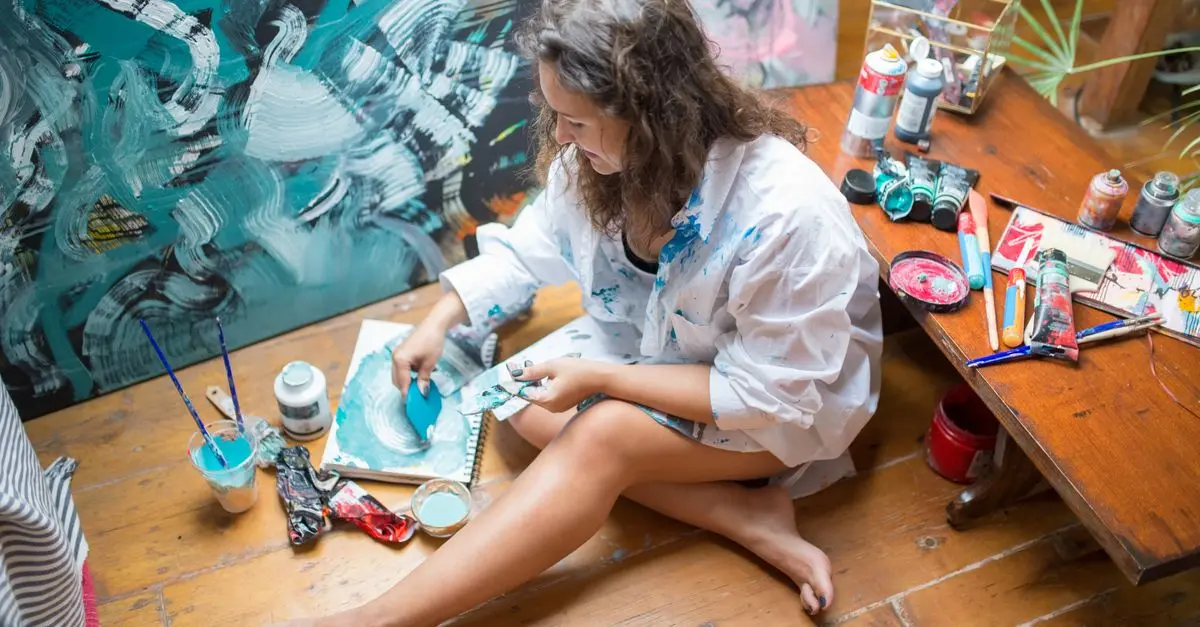
Choosing a medium is one of the first crucial steps to becoming an artist. This can range from painting and sculpture to photography and digital art. Think about what excites you the most. If you're unsure, experiment with different forms until something resonates. For example, many artists start with traditional mediums like watercolor or oil paints
and gradually explore digital platforms and mixed media.
Research shows that artists who specialize in one medium tend to develop their skills more rapidly than those who split their focus. A study by the Art & Design Research Institute found that 65% of successful artists attribute their success to the deep mastery of a single medium. So take the time to choose something you love and feel connected to.


Step 2: Develop Your Unique Style
Art is a reflection of personal experiences and beliefs. To stand out, you need to cultivate your unique style. Experiment and play with different techniques, themes, and concepts to see what feels right. Look at the work of other artists for inspiration, but don’t be afraid to blend influences into something uniquely your own. This fusion is often where innovation occurs.
According to data from The Art Market Report 2026, collectors increasingly seek original voices in the field, making a distinct artistic style more valuable than ever. Your artistic voice is what differentiates you from others, so invest time in developing it. Keeping a sketchbook of ideas can help you evolve your style over time.
Step 3: Create a Dedicated Workspace
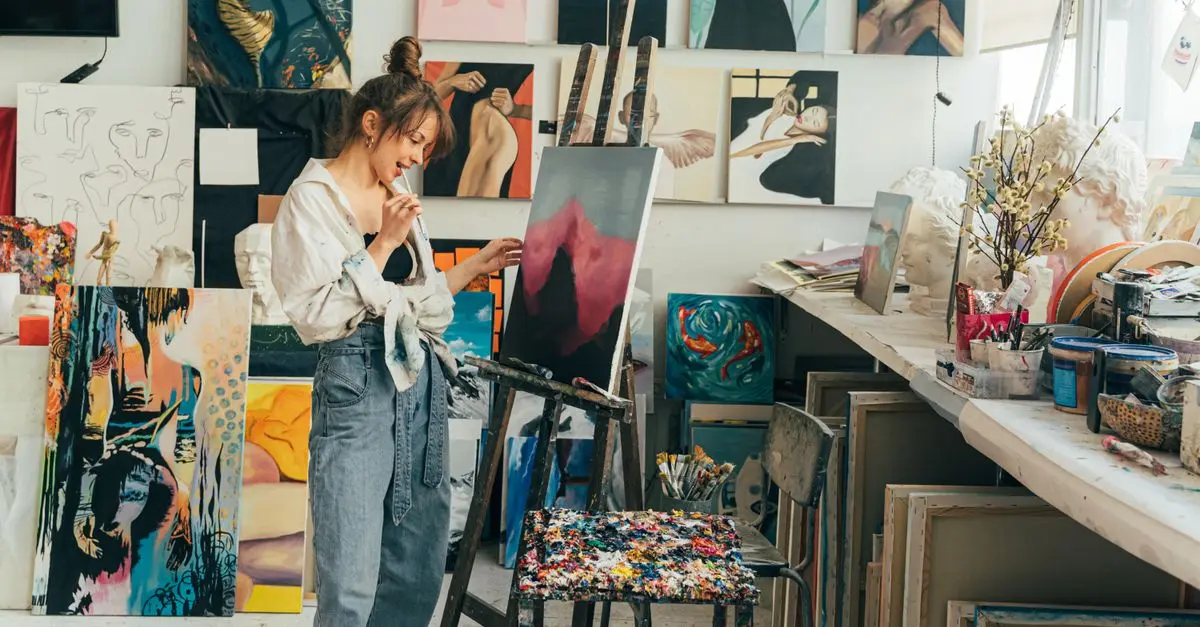
The environment in which you create can significantly impact your artistic output. Set up a dedicated space that encourages your creativity. Make it comfortable, organized, and filled with inspiration. Even if space is limited, consider establishing a small corner in your home for artistic activities. Ensure it is free from distractions to help you focus.
Having a consistent space enhances productivity, according to research conducted by the Creative Workspace Institute. Artists often report that their best work comes from having a designated area that is both inviting and functional. Decorate your space with items that inspire you, such as art pieces, plants, or motivational quotes.
Step 4: Build a Routine
Just like any other profession, having a routine can help you stay disciplined and productive as an artist. Set aside specific times for creating art each day or week, and stick to that schedule as best as possible. This helps condition your mind to expect creative time and can improve your overall output.
Studies show that artists who allocate regular time for their practice produce more work and grow their skills faster than those who create sporadically. Furthermore, establishing a routine can help you in embracing a more professional mindset about your art, whether it’s a hobby or a full-time pursuit.
Step 5: Ensure Continuous Learning
The art world is always evolving, with new techniques and trends emerging regularly. Never stop learning! Consider enrolling in art classes, attending workshops or webinars, or engaging with online communities. These resources can provide critical feedback and expose you to new ideas. Whether you learn online or in-person, staying updated ensures your art remains relevant and engaging.
The Pew Research Center states that 70% of art students found that taking workshops significantly improved their techniques. Furthermore, you can learn just as much by observing others and asking for critiques, so keep a sense of curiosity and openness to learning in all forms.
Step 6: Network with Other Artists
Networking is crucial in the art community. Engaging with fellow artists can provide support, encouragement, and collaboration opportunities. Attend local art shows, join artist collectives, or participate in online forums. These connections may lead to job opportunities, exhibitions, or critiques that can further enhance your work.
According to the National Arts Organizations, artists who collaborate with others often report higher satisfaction in their creative output. Whether you share techniques or team up on projects, the sense of community fosters inspiration and innovation.
Step 7: Share Your Work
Don’t keep your art hidden! Sharing your work with others is vital for growth and recognition. Use platforms like social media, personal websites, or art shows to showcase your talent. The more people see your work, the more feedback you’ll receive, and that feedback is essential for improvement.
In 2026, platforms like Instagram and Pinterest have transformed how artists share and market their work. An Incorporated Artist Study showed that 50% of artists credit social media as a significant source of their income, proving that exposure can directly correlate with success.
Step 8: Find Your Audience
As you share your work, it’s essential to connect with an audience that appreciates your style. Understanding who resonates with your art can help guide your marketing and promotional efforts. Use analytics tools available on social media platforms to gauge engagement and adjust your strategies accordingly.
Building an audience also requires consistent interaction. Respond to comments, ask for feedback, and engage in discussions with your followers. Studies reveal that artists who communicate actively with their audience tend to grow their followers exponentially, leveraging the power of community to promote their work.
Step 9: Embrace Feedback
Feedback is one of the most valuable tools for personal and artistic growth. It can feel challenging, especially when critiques are tough to hear, but constructive criticism can sharpen your abilities. Seek feedback from trusted friends, fellow artists, or mentors who can provide honest perspectives.
Involving others in your process can lead to new insights and open avenues for your art that you hadn't considered. According to a report by The Art Change Group, artists who solicit feedback regularly improve their work exponentially faster than those who do not.
Step 10: Stay Inspired
As an artist, inspiration can sometimes wane. It’s crucial to expose yourself to a wide variety of works, cultures, and experiences. Visit galleries, read books, explore nature, or even take time for yourself—to recharge and find new perspectives. Keeping a sketchbook can also help catch those fleeting moments of inspiration.
A study by The Center for Creative Advancement shows that artists who actively seek inspiration beyond their usual sources are more likely to innovate and evolve their work. Staying curious and enthusiastic is key to a sustained artistic journey.
Checklist before embarking on your artistic journey:
- [ ] Identify your preferred medium.
- [ ] Develop a unique artistic style.
- [ ] Create a dedicated workspace.
- [ ] Establish a regular creative routine.
- [ ] Commit to continuous learning throughout your artistic practice.
- [ ] Network with fellow artists for motivation and support.
- [ ] Share your work regularly to gather feedback.
- [ ] Discover and engage with your audience.
- [ ] Embrace constructive criticism to enhance your skills.
- [ ] Seek inspiration consistently from diverse sources.
Glossary
| Term | Definition |
|---|---|
| Medium | The materials or methods an artist uses to create their work, such as oil paint, charcoal, etc. |
| Style | The specific characteristic that defines an artist’s work and differentiates them from others. |
| Networking | The process of connecting with other individuals in the art community to share ideas and support. |
📺 Resource Video
For further insights: Watch this video on how to start your artistic journey in a competitive world. Search on YouTube: "how to become an artist 2026".
📺 Pour aller plus loin : how to become an artist 2026 sur YouTube
Recommended products
Selected by our experts
ANTA KAI 1 "Artist On Court" (Exclusive) - Artist On Court / 12.5
anta.com
The ANTA KAI 1 ‘Artist On Court’ sneakers are designed for those who value style and comfort while creating.
Rizzoli The Metropolitan Museum of Art: Masterpiece Paintings
store.metmuseum.org
This monumental book celebrates iconic paintings, providing inspiration for aspiring artists looking to refine their craft.
Pai Skincare All Becomes Clear
thedetoxmarket.com
A must-have face serum for artists to maintain healthy skin, ensuring you look your best while creating.