Table of Contents (14 sections)
Finding your artistic style is a journey that can define your identity as an artist. It involves self-exploration, experimentation, and understanding both your influences and your vision. Here are ten essential tips to assist emerging artists in discovering and developing their unique artistic style.
1. Explore Different Mediums
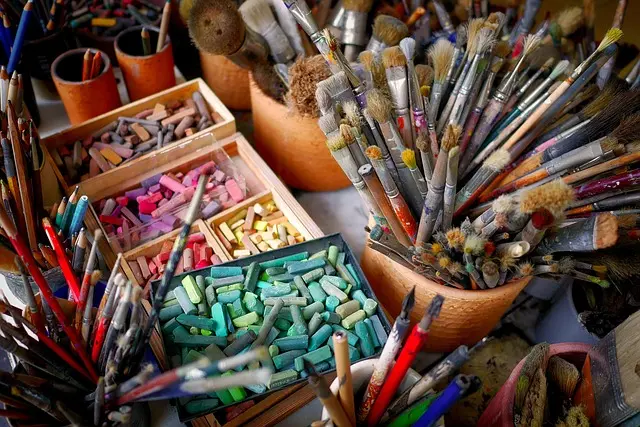
Experimenting with various mediums is crucial for discovering your artistic style. Whether it's painting, sculpture, digital art, or photography, each medium has its own language and characteristics. Try out oil paints, watercolors, charcoal, or digital tools like Adobe Photoshop. Each experience could lead you to the medium that resonates with your style. For instance, many artists have found their niche after trying several forms before settling on one that feels right. This exploration process allows you to see what you enjoy and where you feel comfortable expressing your creativity.
2. Identify Your Influences
Take some time to analyze the artists that inspire you. Who makes an impact on your work? Is it the vibrant colors of Van Gogh, the emotional depth of Frida Kahlo, or the abstraction of Picasso? By identifying these influences, you can start to understand the components of their styles that resonate with you. Analyze their techniques, themes, and compositions. Try to incorporate elements from their styles into your work while still maintaining your originality. This fusion can guide you toward developing a personal style that reflects your influences but is inherently yours.
3. Create a Style Journal
Documenting your artistic process can be an enlightening experience. A style journal can serve as a collection of your thoughts, sketches, and inspirations. Write down daily reflections on your creative practices, ideas, pieces of art you admire, and your responses to various artworks. Over time, patterns will emerge that indicate your preferences and inclinations. This documentation is pivotal in understanding your growth as an artist and what elements consistently resonate with you.
4. Set Aside Time for Experimentation
Carve out specific time in your schedule dedicated to experimenting without the pressure of producing a finished piece. Allow yourself the freedom to create just for the sake of creating. You might be surprised by what emerges when there are no expectations attached. Try new techniques you’ve read about or combine styles that fascinate you. This unstructured approach can lead to breakthroughs in how you perceive your artistic identity. Experimentation fosters creativity; without it, you may find yourself stuck in a rut.
5. Seek Constructive Feedback
Sharing your work with fellow artists or mentors is an essential step toward self-improvement. Constructive criticism can provide valuable insights into how others perceive your pieces. Engage with art communities both online and in person. Platforms like Instagram, Behance, or local art groups can facilitate feedback sessions. When taking critiques, remember that they should enhance your development and not discourage you. By understanding how your style is viewed by others, you can refine and make conscious adjustments to express your artistic voice.
6. Analyze Successful Artists
Study the works of established artists from various eras. Look for cultural contexts, color palettes, and thematic approaches that have stood the test of time. Observing artists like Georgia O'Keeffe or Andy Warhol can provide insight into how they developed their iconic styles. Pay attention to how they utilized elements like line, form, and composition. Jot down ideas that appeal to you and consider how you might adapt similar strategies in your own work to cultivate your unique style.
7. Attend Workshops and Classes
Enrolling in workshops and classes can open doors to new techniques and styles. They often provide exposure to different instructors who may teach you varied approaches. Surrounding yourself with other artistic minds can inspire innovation and spark new ideas. Whether you choose to focus on traditional techniques or venture into new genres, each class offers the opportunity to expand your skill set and refine your style. Many local art schools or community centers offer classes suitable for all skill levels, making it accessible for everyone.
8. Keep Up with Art Trends
While finding your artistic style is personal, being aware of current art trends can be beneficial. Following contemporary trends can introduce you to new themes, color palettes, or techniques that you might want to incorporate into your own work. Resources like art magazines, online galleries, and social media collectives can provide inspiration from the wider art world. However, balance your influences—use trends to inspire rather than dictate your style. The aim is to remain authentic to yourself while also being aware of the shifting artistic landscape.
9. Create Personal Projects
Personal art projects can be an excellent way to explore your artistic themes and interests. Whether it's a series of paintings that tell a story or illustrations based on a theme, these projects provide a platform to embody your ideas fully. They also allow you to experiment with techniques and concepts in a focused manner. Through personal projects, you can reconnect with your artistic motivations and discover elements that are deeply personal to your artistic voice.
10. Embrace Your Journey
Finally, it’s vital to embrace the journey of finding your artistic style. Understand that this process is personal and may take time. Your style will evolve as you do, influenced by your experiences and growth. Celebrate your progress, and don’t be afraid to revisit and redefine your style as you learn more about yourself. Every artist goes through a unique journey, and embracing that uncertainty can unlock your potential. As you grow, your comfort zone may shift, leading to a more defined style.
📺 Resource Video
> 📺 To go deeper: Discovering Your Artistic Style, a comprehensive analysis of key strategies for finding your artistic flow. Search on YouTube: finding your artistic style.
Glossary
| Term | Definition |
|---|---|
| Artistic Style | A consistent visual or thematic approach created by an artist. |
| Medium | The materials or techniques used to create art (e.g., oil, acrylic). |
| Constructive Criticism | Feedback provided to help improve artistic work. |
Checklist Before You Start
- [ ] Explore various mediums.
- [ ] Identify your artistic influences.
- [ ] Document your artistic journey.
- [ ] Set aside time for experimentation.
- [ ] Seek constructive feedback from peers.
- [ ] Analyze works of successful artists.
- [ ] Attend workshops and classes.
- [ ] Keep up with current art trends.
- [ ] Create personal art projects.
- [ ] Embrace and enjoy your artistic journey.
🧠 Quick Quiz: What is the most important step in finding your artistic style?
- A) Experiment with different mediums
- B) Follow art trends closely
- C) Only stick to one technique
Answer: A — Experimenting is key to discovering what resonates with you!
📺 Pour aller plus loin : how to find your artistic style sur YouTube