Table of Contents (17 sections)
Understand Your Artistic Passion
Understanding your passion for art is the cornerstone of becoming a successful artist. Art is subjective and varies widely in styles and forms, from painting and sculpture to digital art and photography. Reflecting on what draws you to art can help clarify your goals. For instance, do you enjoy creating landscapes, abstract designs, or vibrant portraits? Consider writing down your feelings and inspirations on paper. According to surveys, artists who take the time to reflect on their preferences and inspirations are often more successful in honing their skills. This understanding not only helps in narrowing down your techniques but also in sustaining your motivation during challenging times in your artistic journey.
Practice Daily
Like any skill, becoming an accomplished artist requires daily practice. This doesn’t mean you need to invest hours every day; even a short 30 minutes focused on sketching, painting, or experimenting with new techniques can lead to significant improvement over time. Dedicating time every day to practice helps reinforce learning and builds muscle memory. Consider following a structured routine where you tackle different aspects of your art each day — for example, spend Monday on drawing fundamentals, Tuesday on color theory, and so on. Studies show that consistent practice leads to approximately 10,000 hours of mastery, so find joy in practicing daily and make it a part of your routine.

Seek Constructive Feedback
Receiving feedback on your work is crucial in your development as an artist. Friends, family, and fellow artists can provide perspectives you may not see. However, it's essential to seek constructive criticism over empty praise. Join an art group or course where critique sessions are common. According to a report by the National Endowment for the Arts, artists who regularly engage in feedback sessions tend to evolve their styles more rapidly and effectively. This is because feedback encourages reflection on techniques, themes, and personal style, allowing for improvements and a clearer artistic vision. Keep an open mind and use critiques to fuel your growth.
Explore Different Mediums
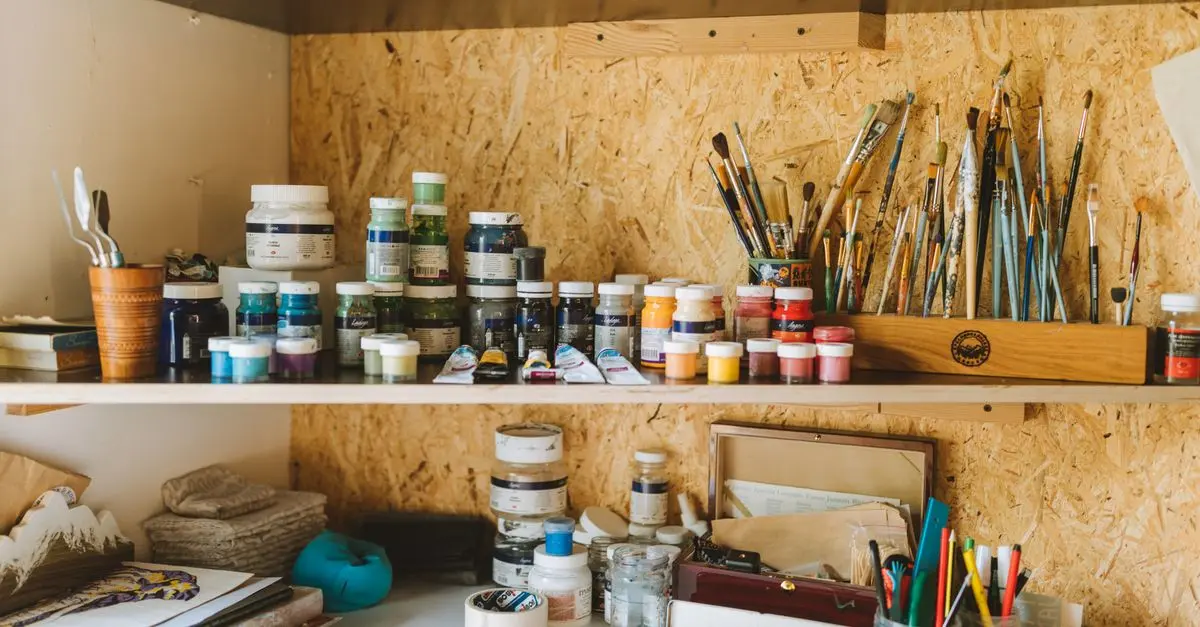
When embarking on your artistic journey, it’s beneficial to experiment with various mediums — whether traditional or digital. Trying out oils, watercolors, charcoal, or digital painting software can open new creative avenues. This exploration helps you discover which mediums resonate with you the most and may influence your unique art style. For example, a painter who once primarily worked with acrylics may find a deep passion for oils through experimentation. Research indicates that diversifying your artistic skills can lead to unexpected growth and innovation in your primary medium.
Study the Masters
Learning from established artists can substantially influence your growth. Delve into the works of renowned artists to analyze their techniques, brush strokes, and color choices. Whether it's through museums, online galleries, or art books, understanding their artistry can inspire your own creativity. Take notes on what elements you’re drawn to and attempt to recreate pieces or styles in your practice. Engaging with the works of masters, like Vincent van Gogh or Frida Kahlo, can provide insights into emotional depth and artistic expressions that resonate through time. Studies show that artists who study exemplary works often develop a richer understanding of aesthetics and improve their artworks exponentially.
Build Your Own Style
Creating a unique artistic style is an essential part of your journey. Mix elements you admire from various artists with your individual touch. Start by identifying the aspects of art that move you emotionally, be it color palettes, subject matter, or techniques. Consistently create pieces that reflect these preferences, gradually building a body of work that establishes your style. Remember that your art style doesn’t need to be locked in; it can evolve as you learn more and grow. Through personal reflection and continuous practice, you'll find a style that speaks to who you are as an artist.
Set Realistic Goals
Goal-setting in art can help channel your energy effectively. Start with achievable objectives — perhaps completing a specific number of paintings or mastering a new technique within a set timeframe. According to project management frameworks, breaking larger projects into smaller, manageable tasks not only helps track your progress but also boosts motivation. For instance, if you aim to produce a gallery-quality painting, consider setting deadlines for preliminary sketches, color palettes, and the final piece. Adjust your goals as you advance to accommodate your evolving skills and interests.
Participate in Art Communities
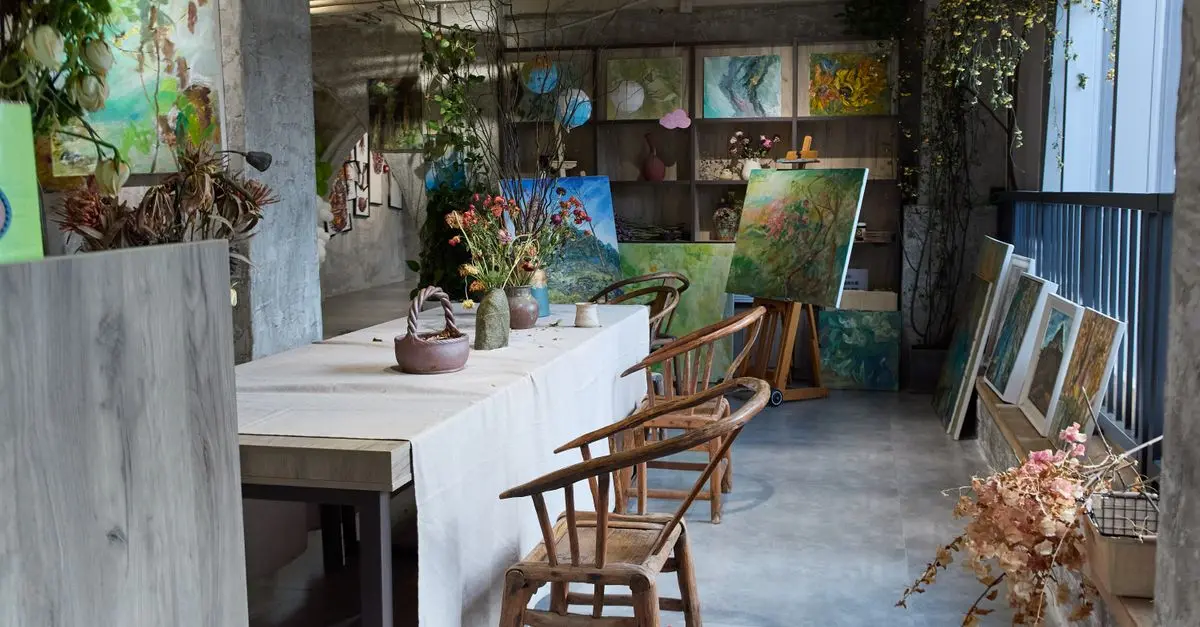
Engaging with an art community can be incredibly valuable. Whether online or in person, surrounding yourself with like-minded individuals can provide inspiration, support, and new opportunities. Look for local art groups, workshops, or online forums where you can share your work and exchange ideas. Research from social sciences shows that communities foster creativity and innovation by providing networking opportunities and collaborative projects that can enhance your skills. Engage fully, and you may even find a mentor in your artistic endeavors.
Document Your Progress
Keeping a visual diary of your progress can be a motivating factor in your growth as an artist. Documenting your work over time allows you to visually track improvement, recognize patterns, and identify areas needing focus. This could be through photographs, journal entries about your artistic experience, or even blogging about your journey. Reflecting on past works can provide insights into your artistic development. User surveys indicate that artists who document their work feel a deeper connection to their artistic path and gain clarity on their evolution.
Stay Inspired
Maintaining inspiration is key in the often-challenging art journey. Find what sparks your creativity — whether it's nature, music, literature, or travel. Immerse yourself in environments that foster creativity; visit art exhibits, enjoy nature walks, or partake in cultural experiences. Utilize prompts and challenges — such as Inktober or daily sketchbooks — to keep your creative juices flowing. Engaging with different sources of inspiration not only refreshes your work but also challenges you to grow in unexpected ways.
📺 Resource Video
📺 For further exploration: Explore diverse mediums to enhance your art. Check YouTube for content on “artistic techniques for beginners 2026.”
Glossary
| Terme | Définition |
|---|---|
| Medium | La technique ou le matériel utilisé pour créer une œuvre d'art, comme la peinture à l'huile ou le digital. |
| Constructive Feedback | Commentaires qui offrent des suggestions d'amélioration sur une œuvre, favorisant la croissance artistique. |
| Artistic Style | Un ensemble unique de caractéristiques visuelles et techniques qui définit le travail d'un artiste. |
Checklist avant achat
- [ ] Identify your artistic passion
- [ ] Create a daily practice schedule
- [ ] Seek feedback from peers
- [ ] Experiment with new mediums
- [ ] Study the techniques of masters
- [ ] Define your unique style
- [ ] Set achievable artistic goals
- [ ] Join art communities
- [ ] Keep a visual diary of your progress
- [ ] Seek out inspiration regularly
Recommended Products
- ### Conclusion
Embrace your artistic journey with these tips tailored to inspire growth and skill development. The world of art is vast and filled with opportunities for those willing to explore. Don't forget to dive into the recommended resources available to further enhance your artistic skillset. Happy creating!
📺 Pour aller plus loin : artistic techniques for beginners 2026 sur YouTube
Recommended products
Selected by our experts
40th Anniversary Celebration Album (Various Artists)
deepdiscount.com
This album features various artists and is perfect for cultivating a creative atmosphere while you work on your art.