Table of Contents (14 sections)
Understanding Artistic Skill Development
Artistic skills encompass a wide range of abilities, from drawing and painting to digital art and sculpture. Developing these skills is not simply about practice; it involves understanding techniques, exploring creativity, and nurturing the emotional connection that art brings. In 2026, many aspiring artists struggle to enhance their skills because they often lack structured methods to assess and improve. By focusing on key strategies, you can systematically develop your artistic skills and express your creativity more effectively. Art is not just a hobby; it’s a journey of self-discovery, and adopting certain practices can help shape that journey significantly.
Practice Regularly
One of the most fundamental ways to develop your artistic skills is to practice regularly. Consistency is key in mastering any skill, and art is no exception. Allocate time each day or week for dedicated practice, whether it's sketching, painting, or experimenting with digital tools. For instance, the Pomodoro Technique, where you work for 25 minutes and then take a 5-minute break, can help maintain focus and improve your stamina. Research indicates that artists who practice regularly can see improvements in their work quality and technique. According to a study published by Psychology of Aesthetics, individuals who set tangible practice goals exhibit accelerated skill enhancement compared to those who do not.
Seek Feedback
Feedback is essential for growth in any artistic endeavor. Seeking constructive criticism from peers, mentors, or online communities can provide valuable insights into your artwork. Consider sharing your work on platforms like Instagram or DeviantArt where you can get diverse feedback. It's crucial to approach feedback with an open mind; rather than viewing it as a critique, consider it an opportunity for improvement. Utilizing tools like ArtStation or Reddit’s art communities can expose you to feedback from other artists at various skill levels. In 2026, real-time feedback has become even more accessible, making it easier for artists to learn and grow from each piece they create.
Study the Masters
Learning from the masters is a time-honored tradition in the art world. By studying the techniques, styles, and philosophies of great artists such as Leonardo da Vinci, Frida Kahlo, or Pablo Picasso, you can gain insights that will inform your own artistic practice. Try to recreate some of their works to understand their methods and approaches. Analyze the use of color, perspective, and emotion in their pieces. According to a survey conducted by the American Art Therapy Association, 76% of artists found that understanding historical contexts significantly improved their own work. This method of effective learning bridges the gap between admiration and technique application.
Experiment with Different Mediums
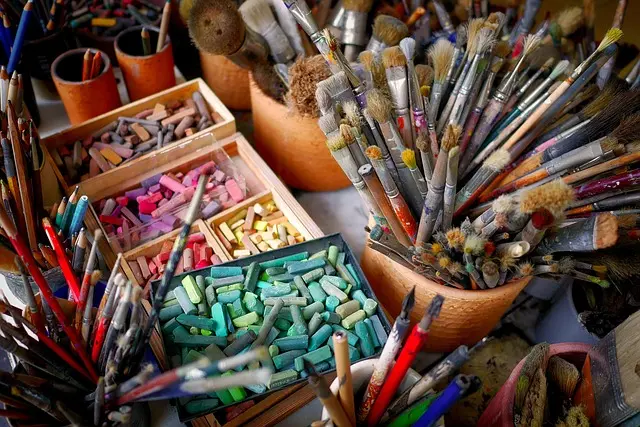
To truly develop your artistic skills, immerse yourself in various mediums. Whether it’s oil painting, watercolor, charcoal, or digital illustration, experimenting with different materials can spark creativity and enhance your adaptability. Each medium offers distinct characteristics and can shape your artistic voice. For instance, you might find that acrylic paint allows for quicker, bold strokes while watercolor provides delicate washes. According to statistics from The National Arts Council, artists who diversify their medium usage report a 60% increase in creative output and satisfaction in their practice.
Set Personal Challenges
Setting personal artistic challenges can drive motivation and encourage growth. These can range from completing a piece in a set time-frame to embracing a new style or theme. Challenge yourself to create a piece every day for a month, or set weekly prompts to keep your creativity flowing. By establishing clear and attainable challenges, you create accountability, which can lead to significant breakthroughs in your work. Additionally, researchers at MIT found that artists who engage in structured challenges tend to push their boundaries and innovate more frequently.
Join an Art Community
Being a part of an art community can profoundly impact your development. Whether online or locally, interacting with fellow artists can provide inspiration, accountability, and resources. Platforms such as Meetup or Facebook Groups often host local artist meet-ups and workshops. Additionally, participating in community art events and exhibitions can give you the chance to showcase your work, further enhancing your visibility and motivation. According to CommunityWorks, active participation in art communities can lead to a 45% increase in personal satisfaction and skill development.
Attend Workshops and Courses
To hone your artistic talents, consider attending workshops and courses offered by experienced artists. Workshops provide intensive, focused experiences where you can gain new techniques and insights. Many art schools and community centers offer both physical and online courses, allowing you to learn from anywhere. The increased accessibility of resources has fostered better skill acquisition among aspiring artists. According to data from Online Education World, enrolling in online art courses has risen by 40% in recent years. Such structured learning environments can accelerate your skill development while allowing for tailored feedback from instructors.
Document Your Progress
Keeping a record of your artistic journey can be an enlightening experience. By documenting your creations through photos, sketches, or a journal, you can track your progress over time. Reflect on older pieces to identify areas of growth and the evolution of your style. This reflective practice not only boosts motivation but can also provide tangible milestones as evidence of improvement. The University of California published findings that suggested documenting progress enhances confidence and encourages consistent practice. Consider using apps like Procreate or traditional sketchbooks as your documentation tools.
Consistently Reflect and Adapt
Finally, take the time to reflect on your work regularly. Ask yourself what techniques work, what resonates with you, and where you feel challenged. Adapt your practice based on these reflections and be open to evolving your style. This ability to assess and adapt will keep your artistic journey dynamic and fulfilling. According to a study by The National Art Education Association, artists who engage in regular self-reflection experience a deeper connection to their craft and can navigate creative blocks more effectively.
📺 For more insights: Explore various artistic strategies in practice today. Search on YouTube: "how to improve your artistic skills".
Glossary
| Term | Definition |
|---|---|
| Artistic Skills | Abilities associated with creating art through various mediums. |
| Medium | The materials used to create a work of art, such as paint or clay. |
| Constructive Criticism | Feedback intended to help improve one’s work by pointing out areas for improvement. |
Checklist before starting
- [ ] Identify artistic goals
- [ ] Schedule regular practice sessions
- [ ] Seek feedback regularly
- [ ] Experiment with new mediums
- [ ] Join an art community
- [ ] Document your artistic progress
🧠 Quiz rapide : What is the most important aspect of developing your artistic skills?
- A) Practice regularly
- B) Buy new materials
- C) Only create perfect art
Réponse : A — Regular practice is key to skill enhancement.
📺 Pour aller plus loin : how to improve your artistic skills sur YouTube