Table of Contents (14 sections)
Embarking on an artistic journey can be a rewarding and transformative experience. Whether you dream of painting, drawing, or pursuing any other art form, knowing where to start can feel challenging. In this article, we'll explore 10 essential steps to kickstart your artistic journey, giving you practical tips and insights to nurture your creativity and develop your skills.
1. Define Your Artistic Goals
Before diving into your artistic endeavors, take the time to define your goals. Ask yourself what you wish to achieve with your art. Do you want to create for personal enjoyment, sell your work, or perhaps display it in galleries? Defining clear goals helps direct your efforts and focus on specific skills you want to develop. For instance, if your goal is to exhibit your artwork in a gallery, you may want to focus on refining your technique and building a cohesive portfolio.
2. Explore Different Mediums
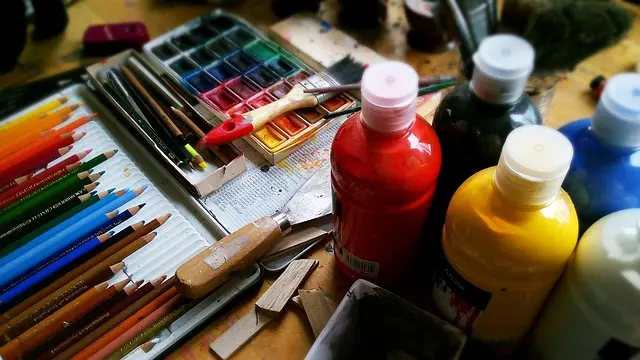
Art can be expressed in countless forms, from painting and sculpture to digital art and photography. To find your niche, experiment with various mediums. Spend time trying out different materials like acrylics, watercolors, graphite, or even digital tools. This exploration not only helps broaden your skills but may also lead you to discover a medium that resonates deeply with your creative voice. Consider taking online classes or local workshops that allow you to sample different techniques.
3. Create a Dedicated Workspace
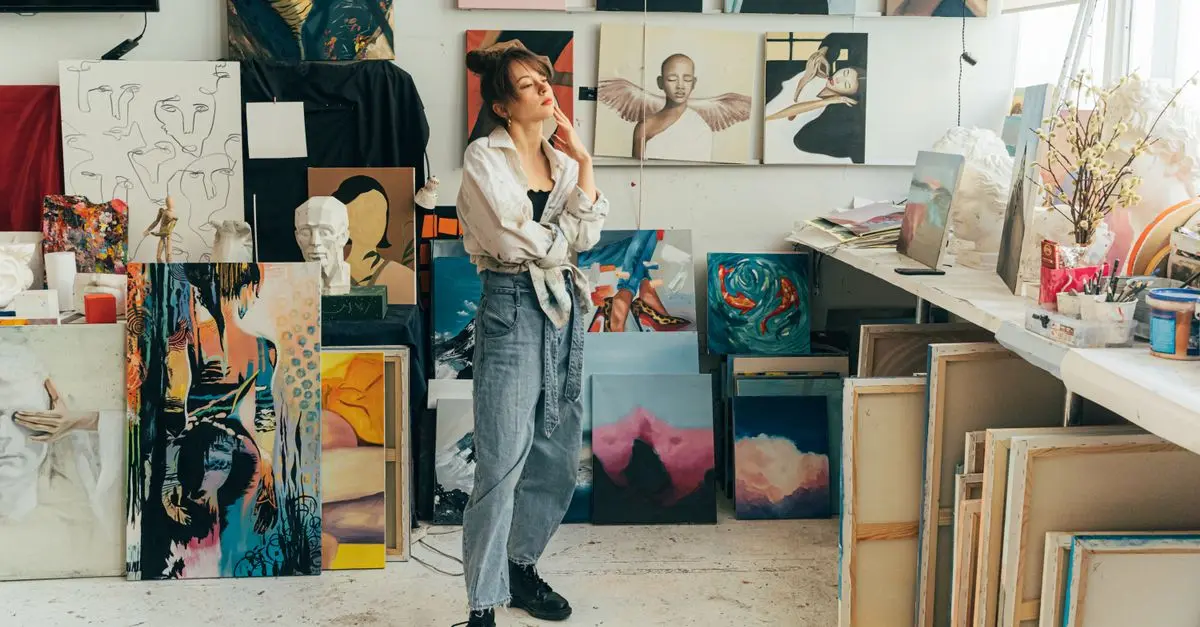
A conducive environment can significantly enhance your creativity. Set up a dedicated workspace where you can freely express yourself without distractions. This could be a corner of your room, a studio, or even a shared space. Equip it with essential tools and supplies you need to work comfortably. Personalize the space with inspiration—like artwork, colors, and images that speak to you. The right atmosphere can elevate your artistic practice.
4. Establish a Consistent Routine
Consistency is key when it comes to growing as an artist. Establish a routine that works for your lifestyle while incorporating time for practice. Whether it's sketching daily for 30 minutes or dedicating weekends to larger projects, find a rhythm that encourages you to stay engaged with your art. Studies have shown that regular practice can improve skills and creativity, leading to greater artistic satisfaction over time.
5. Seek Inspiration
Inspiration can be found everywhere—from nature and architecture to music and literature. Surround yourself with creativity by exploring galleries, attending art shows, and engaging with other artists. Additionally, use platforms like Pinterest or Instagram to curate boards of images and styles that inspire you. Developing an inspiration board can help you maintain focus on your artistic vision as you evolve.
6. Learn the Fundamentals
A strong foundation in the fundamentals of art is crucial. Take the time to learn about color theory, composition, perspective, and techniques specific to your chosen medium. Numerous online resources and courses are available that cater to beginners and advanced artists alike. Understanding these fundamentals will enhance your skills and give you the confidence to experiment and innovate in your art.
7. Participate in Workshops and Classes
Engaging in workshops and classes can provide you with structured learning and valuable feedback. Seek out local art schools, community centers, or online platforms that offer classes in your area of interest. Learning from experienced instructors or collaborating with peers often presents new techniques and fresh perspectives. Not only do these experiences sharpen your skills, but they can also foster a sense of community within the art world.
8. Build an Online Presence
In today’s digital age, building an online presence is an essential step for aspiring artists. Create a portfolio website showcasing your work and consider sharing your artistic process through social media platforms like Instagram or TikTok. Engaging with online art communities can also connect you with other artists and potential buyers or collaborators. This visibility can open doors for commissions, collaborations, or even exhibitions.
9. Track Your Progress
Keeping a record of your work and progress can be immensely valuable. Document your artistic journey through a sketchbook or online journal, noting what techniques you’ve learned, what challenges you faced, and your evolving style. Reviewing this documentation can serve as a motivational tool, allowing you to see how much you’ve grown and where to focus your attention next.
10. Stay Open to Feedback
Receiving feedback can be a vital part of your growth. Don’t hesitate to share your work with trusted friends, family, or mentor figures who can provide constructive criticism. Joining local art groups or online forums can also facilitate this exchange. Remember, critique is an opportunity for growth; use it to refine your skills and develop as an artist.
📺 Resource Video
For further insights into kickstarting your artistic journey, check out [How to Start Your Artistic Journey: Tips and Tricks], a comprehensive analysis on YouTube. Search for: "kickstart artistic journey tutorial".
Glossary
| Term | Definition |
|---|---|
| Medium | The materials used to create art (e.g., paint, clay) |
| Composition | The arrangement of elements within a work of art |
| Critique | Constructive feedback on artwork from others |
Checklist before Starting
- [ ] Define your artistic goals
- [ ] Explore different mediums
- [ ] Create a dedicated workspace
- [ ] Establish a consistent routine
- [ ] Seek inspiration from various sources
- [ ] Learn the fundamentals of art
- [ ] Participate in workshops and classes
- [ ] Build your online presence
- [ ] Track your artistic progress
- [ ] Stay open to feedback
🧠 Quiz rapide : What is the best way to improve your art skills?
- A) Practice consistently
- B) Exclusively follow famous artists
- C) Avoid sharing your work
Réponse : A — Consistent practice is key to skill development.
📺 Pour aller plus loin : kickstart artistic journey tutorial sur YouTube