Table of Contents (14 sections)
Embarking on an artistic journey can be exhilarating yet intimidating. Whether you're drawn to painting, sculpture, digital art, or any other creative medium, getting started is the first crucial step. In this article, we will explore 10 essential steps to kickstart your artistic journey, providing actionable insights and tips to help you become an artist.
1. Define Your Artistic Goals
The first step in your artistic journey is to define your goals. Consider what motivates you to create. Is it to express your emotions, to tell stories, or perhaps to inspire others? Setting clear objectives helps you stay focused. For example, if your goal is to exhibit your work in a gallery, you might prioritize building a portfolio and networking with other artists. Remember, having a vision will guide your creative process and provide motivation.
2. Explore Different Art Forms
As an aspiring artist, it’s vital to explore various art forms before committing to one. Take time to experiment with painting, drawing, sculpture, photography, and digital art. This exploration not only broadens your skill set but also helps you discover what resonates with you most. Practical experience will inform your artistic style and preferences. For instance, attending local art workshops can provide hands-on experience in multiple disciplines, allowing you to realize your preferences more clearly.
3. Invest in Quality Materials
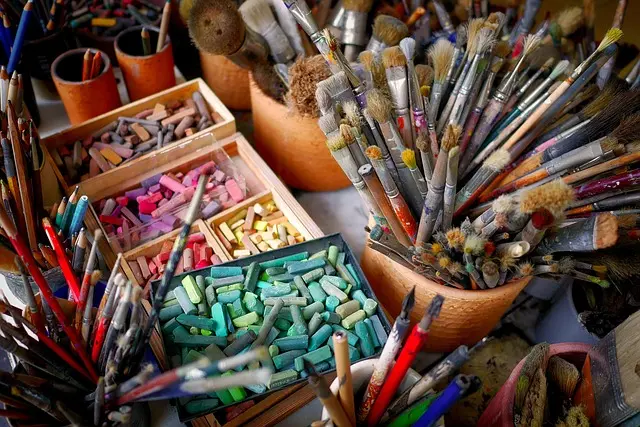
Investing in the right materials is essential for any artist. High-quality paints, brushes, sketchbooks, or digital tools can make a significant difference in your work. While it’s tempting to cut corners on supplies, remember that quality impacts your overall output. For instance, professional-grade acrylic paints may provide more vibrant colors and better coverage than student-grade options. According to a survey conducted by Arts Illustrated Magazine, 73% of artists believe that quality materials enhance their creativity and confidence.
4. Set Up a Dedicated Workspace
Creating a conducive workspace can significantly enhance your productivity. Designate an area for your artistic endeavors, free from distractions, where you can immerse yourself in your work. Ensure your space is well-lit and organized, making tools and materials easily accessible. You might also consider adding inspirational artwork, mood boards, or quotes that resonate with you, creating a stimulating environment for creativity.
5. Develop a Routine
Establishing a creative routine is vital to staying committed to your artistic journey. Schedule regular time for creating art, whether it's daily, weekly, or whatever fits your lifestyle. This routine fosters discipline and helps in building momentum. Consider incorporating varied activities—like sketching, painting, or brainstorming new ideas—into your schedule to keep it fresh and engaging.
6. Seek Feedback and Collaboration
Engaging with other artists can significantly enhance your skills and perspectives. Share your work with friends, family, or online communities to get constructive feedback. Joining local art groups or online forums like DeviantArt offers the chance to collaborate, critique, and learn from others. Collaboration often leads to new inspirations and ideas you may not have considered. Remember, sometimes an outsider's perspective can provide invaluable insights into your work.
7. Study Art History
Understanding art history enriches your artistic vision. Familiarize yourself with different art movements, iconic artists, and their techniques. This knowledge can inform your practice and help you develop your unique style. For example, studying Impressionism can inspire you to explore light and color in your work. Many sources, including the Metropolitan Museum of Art, offer excellent online resources to help you dive into art history.
8. Keep a Sketchbook
A sketchbook is an invaluable tool for any artist. Carrying one allows you to practice new techniques, explore ideas, and develop your skills without the pressure of creating a finished product. Regular doodling or sketching can bolster your creativity and improve your confidence. Use your sketchbook as a visual journal, documenting not only your artistic journey but also daily inspirations and thoughts.
9. Attend Workshops and Art Classes
Continual learning is critical for artistic growth. Consider enrolling in workshops or classes to learn new skills and techniques. Whether in-person or online, formal training can provide structured guidance and feedback. Many institutions like Skillshare and Udemy offer courses tailored for beginners and advanced artists alike. Engaging in a learning environment often fosters creativity and motivation.
10. Document Your Progress
Finally, it’s crucial to document your artistic journey. Take photos of your work at different stages, keep track of your ideas, and reflect on your growth. Documenting progress not only helps you see how far you’ve come, but it also serves as motivation during challenging times. Consider creating an online portfolio or blog to share your work and experiences with others.
📺 For Further Exploration:
Check out “[How to Cultivate Your Artistic Voice]”, a deep dive into building your unique style. Search on YouTube: “artistic journey tips”
Glossary
| Term | Definition |
|---|---|
| Artistic Voice | The unique style and perspective of an artist. |
| Medium | The materials used to create art, e.g., paints. |
| Portfolio | A collection of an artist's best work. |
Checklist Before You Start Your Artistic Journey
- [ ] Define your artistic goals.
- [ ] Explore different art forms.
- [ ] Invest in quality materials.
- [ ] Set up a dedicated workspace.
- [ ] Develop a routine for art-making.
- [ ] Seek feedback and collaboration.
- [ ] Study art history.
- [ ] Keep a sketchbook.
- [ ] Attend workshops and art classes.
- [ ] Document your progress.
🧠 Quick Quiz: Which step do you think is the most critical to kickstart your artistic journey?
- A) Setting goals
- B) Studying art history
- C) Investing in materials
Answer: A — Setting goals provides direction and motivation for your journey.
With these 10 essential steps, you are well on your way to kickstart your artistic journey. Embrace the process and enjoy every moment of your creative exploration!
📺 Pour aller plus loin : artistic journey tips sur YouTube