Table of Contents (15 sections)
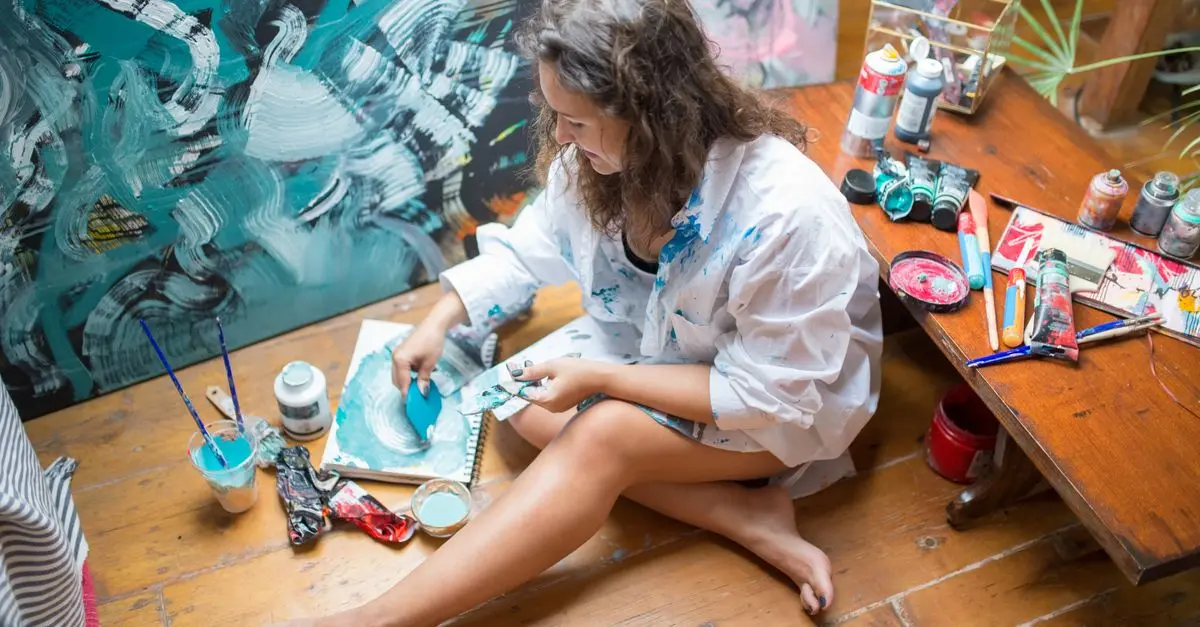
Embarking on an artistic journey is a process filled with exploration, creativity, and personal growth. Whether you're looking to express yourself through painting, writing, or any other form of art, understanding the essential steps can help you navigate this exciting and sometimes challenging path. In this article, we’ll cover ten crucial steps that will set the foundation for your artistic development.
1. Discover Your Passion
Before diving headfirst into creating, it’s vital to identify what truly inspires you. Ask yourself, What type of art excites me? This could be anything from drawing, painting, photography, dance, or music. Spend some time exploring different artistic mediums. According to a study by UFC-Que Choisir, engaging in various art forms enhances creativity and boosts self-confidence. Make a list of what resonates with you and begin to focus your energy on those areas.
2. Set Realistic Goals
Once you’ve discovered your passion, set achievable goals to maintain motivation. Instead of vague goals like “I want to become a good artist,” specify actionable objectives such as “I will create three paintings by the end of the month.” Research shows that effective goal-setting increases the likelihood of success by over 70%, according to The American Psychological Association. Write down your goals and break them down into smaller, manageable tasks to keep yourself on track.


Deadwood Trading Skavoovie - Soft Wool Felt Pork Pie Hat - Large / Black
hatcountry.com
3. Gather Your Supplies
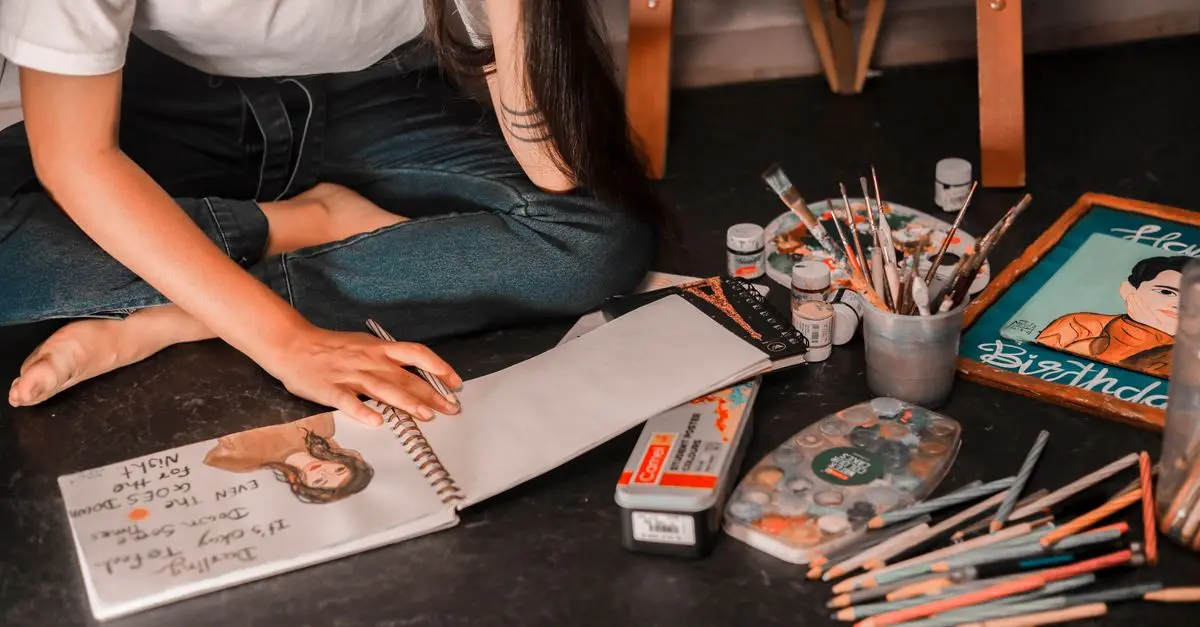
Having the right materials can greatly enhance your artistic experience. Begin with essential tools specific to your chosen medium. For instance, if you’re painting, invest in quality brushes, paints, and canvases. We’ve selected several products that cater to different artistic needs, ensuring you have everything necessary to get started. Good supplies can make a tangible difference in your creativity.
4. Create a Dedicated Space
An inspiring workspace is crucial for any artist. Whether it’s a corner of your living room or a full-fledged studio, your space should reflect your personality and creativity. According to data from INSEE, having a dedicated area for art can significantly improve artistic productivity. Personalize your space with inspiring artwork, colors, and comfortable furnishings to create an environment conducive to creativity.
5. Embrace Learning
Commit to lifelong learning in your artistic journey. Take workshops, enroll in classes, or explore online tutorials. Resources are abundant today, with platforms like Skillshare and Udemy offering courses on various art forms. Continuous learning exposes you to new techniques, perspectives, and ideas, enhancing both your skills and creativity. According to 60 Millions de Consommateurs, artists who engage in educational activities report higher satisfaction levels with their work.
6. Join a Community
Connect with fellow artists by joining local art groups or online communities. Platforms like Instagram and Pinterest are excellent for sharing your work and gaining feedback. Many artists find motivation and inspiration within communities. Additionally, participating in group exhibitions can help you gain exposure. According to a survey, 55% of artists find encouragement through peer support, underscoring the value of community in the creative field.
7. Practice Regularly
Consistency is key in nurturing your artistic talents. Aim to practice regularly, setting aside dedicated time for creativity. Schedule daily or weekly sessions to doodle, sketch, or work on larger projects. Just like any skill, the more you create, the better you become. According to research from the National Endowment for the Arts, consistent practice not only hones skills but also encourages deeper thinking and exploration within your art.
8. Accept Constructive Criticism
As an artist, accept that criticism is a natural part of growth. Choose to view feedback as an opportunity to improve rather than as a negative reflection of your abilities. Seek out positive critique from trusted peers or mentors. Studies suggest that artists who welcome feedback can significantly enhance their skills over time, fostering a culture of continuous improvement and refinement.
9. Showcase Your Work
Don’t shy away from sharing your creations. Whether through social media, personal websites, or local exhibitions, showcasing your work gives you confidence and can open doors for collaboration and sales. Building an online portfolio is particularly important in today’s digital age. Data from UFC-Que Choisir indicates that showcasing artwork can lead to increased sales and viewer engagement.
10. Stay True to Yourself
Amidst techniques, trends, and opinions, always remember to stay true to your artistic voice. Authenticity resonates with viewers and enriches your artwork. Your unique perspective is what will set you apart in the artistic community. Let your personal experiences, values, and emotions guide your work.
Conclusion
Starting your artistic journey is an adventure that involves self-discovery, learning, and sharing your unique expression with the world. Here’s a quick checklist to keep you focused:
Checklist before you begin your artistic journey
- [ ] Identify your passion and interests.
- [ ] Set specific, achievable goals.
- [ ] Gather the right artistic supplies.
- [ ] Create an inspiring workspace.
- [ ] Commit to continual learning.
- [ ] Engage with the artistic community.
- [ ] Practice consistently.
- [ ] Be open to constructive criticism.
- [ ] Share and showcase your artwork.
- [ ] Stay authentic to your voice.
💡 Expert Advice: Engage with fellow artists to receive genuine feedback. Their experiences can guide you in refining your art and expanding your perspective. It’s fundamental for growth.
📺 Worthy Resource Video
Explore insightful tips and expert advice on starting your artistic journey. Search for “how to start your artistic journey 2026” on YouTube for in-depth content.
Glossary
| Term | Definition |
|---|---|
| Artistic Journey | The process of developing as an artist, involving exploration, experimentation, and growth. |
| Constructive Criticism | Feedback that provides specific suggestions for improvement while being respectful and supportive. |
| Art Supplies | Materials used for creating art, such as paints, brushes, canvases, etc. |
Recommended products
Selected by our experts
Design Journey 949 - Pinceau à reservoir d'eau - rond
Darty FR
This water reservoir brush is perfect for artists looking to create fluid watercolors without the mess of traditional brushes.
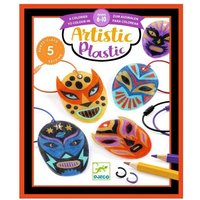
Jeu créatif Djeco Artistic Plastic Porte-clés Catcheurs
Fnac FR
This artistic plastic set enhances creativity and is perfect for various craft projects.
Deadwood Trading Skavoovie - Soft Wool Felt Pork Pie Hat - Large / Black
hatcountry.com
A stylish hat can inspire confidence and set the tone for an artistic persona.